THE ADVENTURE COLLECTIVE® · Independent discovery and booking for outdoor travel

Cover the Sacred Valley’s highlights—Pisac, Moray and the Maras salt pans—in one efficient day. This small‑group tour pairs short walks with private transport and a buffet lunch, ideal for travelers short on time but keen on Inca engineering and Andean views.
Cover the Sacred Valley’s highlights—Pisac, Moray and the Maras salt pans—in one efficient day. This small‑group tour pairs short walks with private transport and a buffet lunch, ideal for travelers short on time but keen on Inca engineering and Andean views.
You step out of the van into thin, crisp air and the valley inhales around you — steep terraces, stony Inca walls and distant snow on the high peaks. The day moves like a compact field guide: Pisac’s hilltop fortress with its zigzag stairways, the concentric agricultural bowls of Moray appearing like an experiment frozen in stone, and the patchwork salt pans at Maras glittering like a stepped river.
Verified experiences and guided adventures in the surrounding area.
Operated by Rainbow Mountain Cusco Agency · Urubamba, Cusco Region
You step out of the van into thin, crisp air and the valley inhales around you — steep terraces, stony Inca walls and distant snow on the high peaks. The day moves like a compact field guide: Pisac’s hilltop fortress with its zigzag stairways, the concentric agricultural bowls of Moray appearing like an experiment frozen in stone, and the patchwork salt pans at Maras glittering like a stepped river.
This corridor of the Incas carried food, ritual and engineering. Moray’s circular terraces likely served as crop laboratories, creating microclimates by depth and exposure; Maras preserves a pre‑Inca tradition of harvesting saline spring water in community‑run pools. Spanish colonial towns such as Ollantaytambo overlay Inca urban planning with narrow cobbled streets and living adobe houses, so cultural layers are visible at every stop.
Expect short, uneven walks and stairs at each site rather than long hikes; much of the route is by private transport. The altitude (3,000–3,800 m) shapes the pace — move deliberately, drink water, let the sun warm you. Bring small bills for local crafts and pauses at viewpoints, and allow time for photo stops and a buffet lunch mid‑day.
Practically: dress in breathable layers, wear grippy shoes for terraces and cobbles, and plan for an 8‑hour day with morning pickup from Cusco. The route rewards anyone who wants concentrated access to the Sacred Valley’s engineering, markets and landscapes in a single, well‑paced day.
moderate.
8 hours.
Light to moderate fitness; must handle multiple short walks, stairs and standing during site visits at high altitude
The full day runs about 8 hours with multiple short visits (30–120 minutes) — mostly driving between sites and walking on uneven terrain.
Sites involve stairs and uneven paths; travelers with limited mobility should check specific accessibility at each ruin and notify the operator in advance.
Check the booking details — some tours include admissions while others require separate tickets; this itinerary notes some admissions as not included.
Acclimatize in Cusco before the tour, stay hydrated, avoid heavy meals and consider coca tea or consulting a physician about medication if you’re prone to altitude sickness.
The Sacred Valley formed the agricultural backbone of the Inca state; Moray’s concentric terraces likely functioned as experimental growing labs, while Maras preserves a communal salt‑harvesting economy from pre‑Inca times.
Salt pans are managed by local communities — stick to marked paths and support local vendors to keep economic benefits in the valley; avoid littering and minimize single‑use plastics.
Rainbow Mountain Cusco Agency operates guided outdoor trips and adventures with an emphasis on safety, stewardship, and memorable experiences.
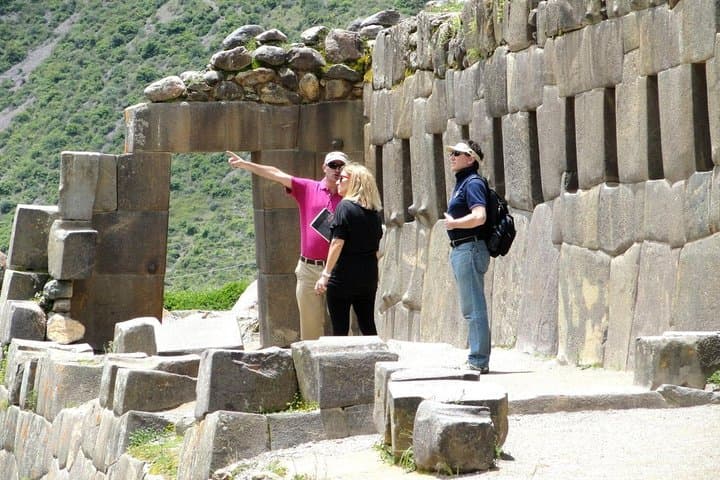
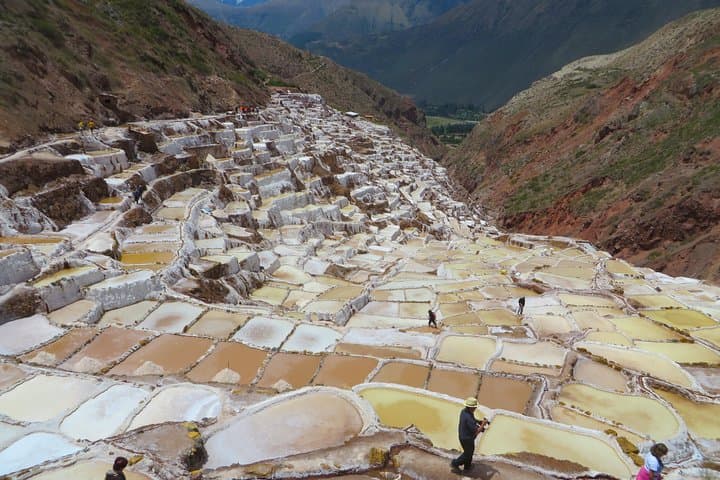
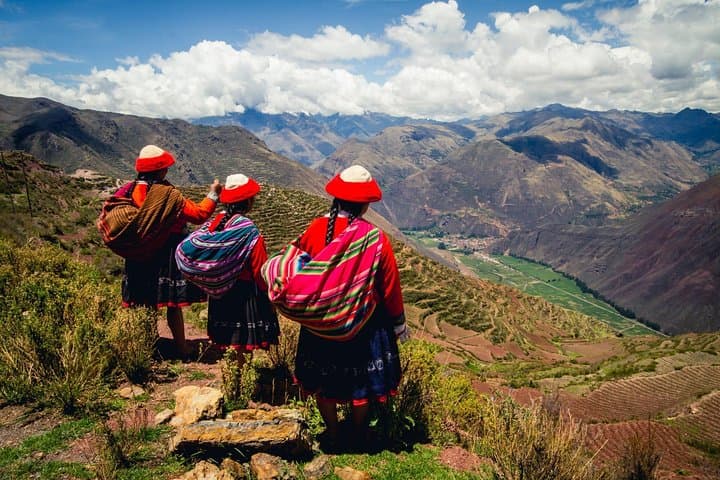
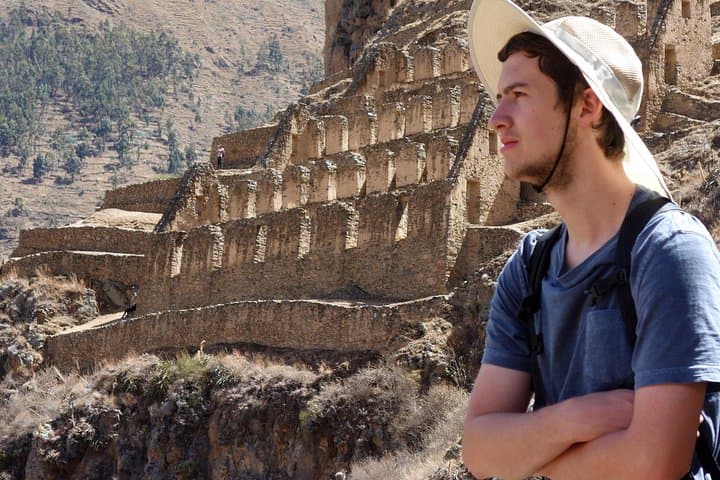
You step out of the van into thin, crisp air and the valley inhales around you — steep terraces, stony Inca walls and distant snow on the high peaks. The day moves like a compact field guide: Pisac’s hilltop fortress with its zigzag stairways, the concentric agricultural bowls of Moray appearing like an experiment frozen in stone, and the patchwork salt pans at Maras glittering like a stepped river.
You step out of the van into thin, crisp air and the valley inhales around you — steep terraces, stony Inca walls and distant snow on the high peaks. The day moves like a compact field guide: Pisac’s hilltop fortress with its zigzag stairways, the concentric agricultural bowls of Moray appearing like an experiment frozen in stone, and the patchwork salt pans at Maras glittering like a stepped river.
This corridor of the Incas carried food, ritual and engineering. Moray’s circular terraces likely served as crop laboratories, creating microclimates by depth and exposure; Maras preserves a pre‑Inca tradition of harvesting saline spring water in community‑run pools. Spanish colonial towns such as Ollantaytambo overlay Inca urban planning with narrow cobbled streets and living adobe houses, so cultural layers are visible at every stop.
Expect short, uneven walks and stairs at each site rather than long hikes; much of the route is by private transport. The altitude (3,000–3,800 m) shapes the pace — move deliberately, drink water, let the sun warm you. Bring small bills for local crafts and pauses at viewpoints, and allow time for photo stops and a buffet lunch mid‑day.
Practically: dress in breathable layers, wear grippy shoes for terraces and cobbles, and plan for an 8‑hour day with morning pickup from Cusco. The route rewards anyone who wants concentrated access to the Sacred Valley’s engineering, markets and landscapes in a single, well‑paced day.