THE ADVENTURE COLLECTIVE® · Independent discovery and booking for outdoor travel

A compact, full-day circuit through the Sacred Valley that packs Inca agricultural ingenuity, living textile traditions, and the glinting salt pans of Maras into one long, rewarding day. Ideal for travelers short on time who want a broad cultural and landscape overview.
A compact, full-day circuit through the Sacred Valley that packs Inca agricultural ingenuity, living textile traditions, and the glinting salt pans of Maras into one long, rewarding day. Ideal for travelers short on time who want a broad cultural and landscape overview.
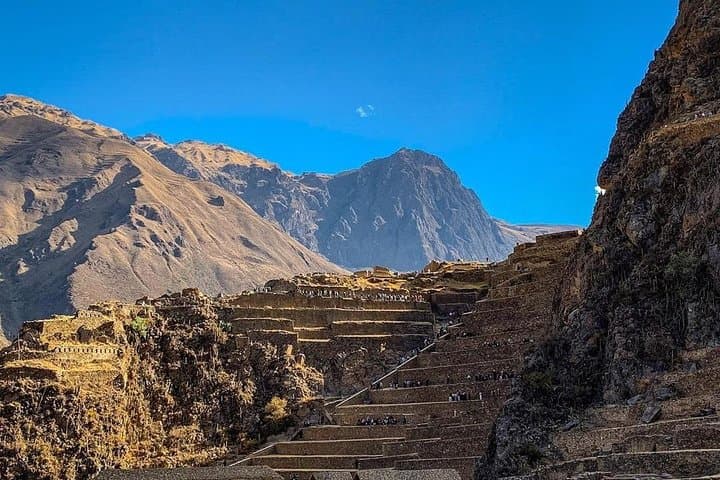
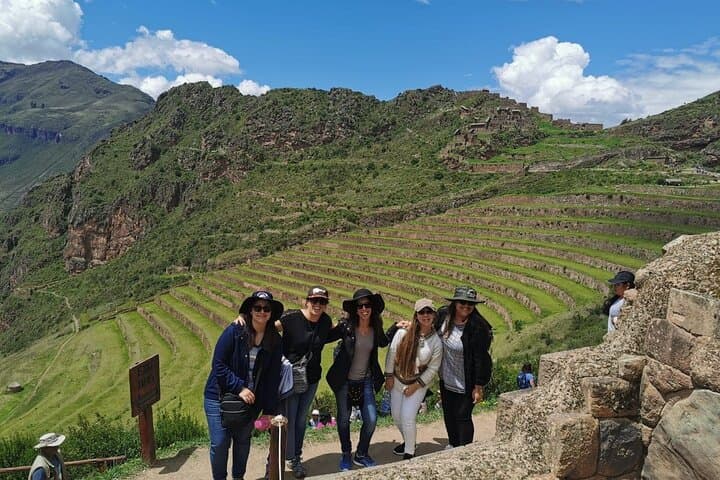
Dawn leaves Cusco behind and the highland light scours the serrated skyline as you head down into the Sacred Valley. Terraces step like deliberate staircases down the slopes, salt pans glint like tiny mirrors, and the Urubamba River threads the valley, nudging you from one Inca ruin to the next.
Verified experiences and guided adventures in the surrounding area.
Operated by Andean Perú Trip Advisors · Cusco, Cusco
Dawn leaves Cusco behind and the highland light scours the serrated skyline as you head down into the Sacred Valley. Terraces step like deliberate staircases down the slopes, salt pans glint like tiny mirrors, and the Urubamba River threads the valley, nudging you from one Inca ruin to the next.
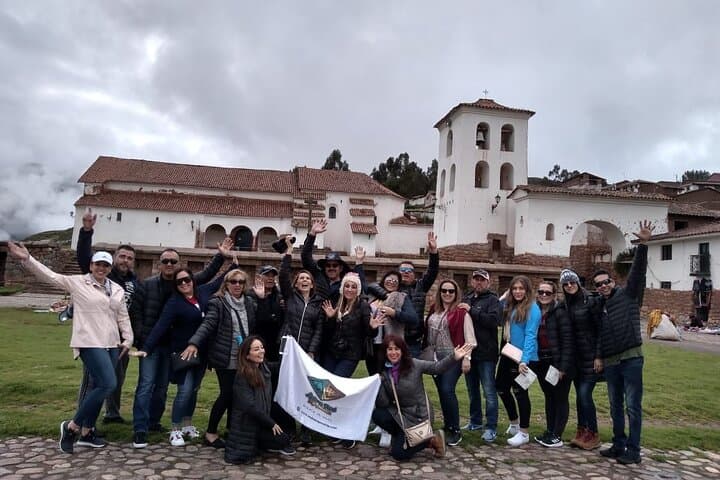
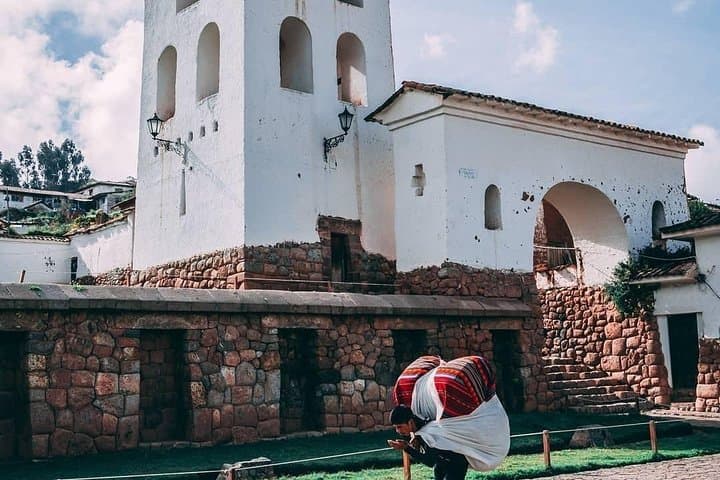
This full-day circuit visits distinct chapters of Andean history: Chinchero’s textile demonstrations tied to living Quechua craft traditions; Moray’s concentric terraces—an Inca agricultural laboratory that exploits microclimates; the thousands of shallow pools at Maras where ancestral salt-harvesting continues; and the fortress-works of Ollantaytambo, a blend of military planning and agricultural engineering. Geologically, the valley sits where fractured Andean bedrock meets river-deposited soils, producing the steep terrace systems that define local farming.
Expect varied terrain: cobbled village lanes, stepped terraces, and compacted dirt paths with short steep sections. Altitude ranges around 3,000–3,600 m—breathing will feel heavier than at sea level. The itinerary typically includes hotel pickup, a buffet lunch, and guided stops of about 30–40 minutes at each site; note some entrances may require a separate ticket.
Practical edge: layer for sharp morning cold and strong midday sun, bring sunscreen and at least 1–2 liters of water, and wear sturdy shoes with good grip for terrace steps. Plan for a long day—9–10 hours on the move—and carry small cash for market purchases. With basic acclimatization and sensible gear, this route is richly rewarding: cultural contact, archaeological detail, and wide valley views in one compact day.
easy.
9–10 hours.
Suitable for travelers in average physical condition who can walk short steep sections and stand for guided views; basic acclimatization recommended.
The tour runs about 9–10 hours and commonly includes hotel pickup, guided visits to Chinchero, Moray, Maras, Ollantaytambo, and Pisaq, plus a buffet lunch and transport; check your booking for exact inclusions.
Some sites require separate entrance tickets (e.g., certain archaeological circuits); the guide can advise—carrying cash helps, and many visitors use the Boleto Turístico if planning additional site visits.
Yes—walking is light to moderate with short stair sections; the operator lists it as physically easy, but consider altitude and mobility when deciding.
Acclimatize in Cusco for 24–48 hours, stay hydrated, avoid heavy meals or alcohol before the tour, and carry acetazolamide only if prescribed by a physician.
The Sacred Valley was a critical agricultural and administrative zone for the Inca, with engineered terraces and waterworks used to optimize crops at different elevations.
The terraces and salt pans are fragile from erosion and traffic—stay on marked paths, support local cooperatives, and avoid leaving litter to reduce impacts.
Andean Perú Trip Advisors operates guided outdoor trips and adventures with an emphasis on safety, stewardship, and memorable experiences.
Dawn leaves Cusco behind and the highland light scours the serrated skyline as you head down into the Sacred Valley. Terraces step like deliberate staircases down the slopes, salt pans glint like tiny mirrors, and the Urubamba River threads the valley, nudging you from one Inca ruin to the next.
Dawn leaves Cusco behind and the highland light scours the serrated skyline as you head down into the Sacred Valley. Terraces step like deliberate staircases down the slopes, salt pans glint like tiny mirrors, and the Urubamba River threads the valley, nudging you from one Inca ruin to the next.
This full-day circuit visits distinct chapters of Andean history: Chinchero’s textile demonstrations tied to living Quechua craft traditions; Moray’s concentric terraces—an Inca agricultural laboratory that exploits microclimates; the thousands of shallow pools at Maras where ancestral salt-harvesting continues; and the fortress-works of Ollantaytambo, a blend of military planning and agricultural engineering. Geologically, the valley sits where fractured Andean bedrock meets river-deposited soils, producing the steep terrace systems that define local farming.
Expect varied terrain: cobbled village lanes, stepped terraces, and compacted dirt paths with short steep sections. Altitude ranges around 3,000–3,600 m—breathing will feel heavier than at sea level. The itinerary typically includes hotel pickup, a buffet lunch, and guided stops of about 30–40 minutes at each site; note some entrances may require a separate ticket.
Practical edge: layer for sharp morning cold and strong midday sun, bring sunscreen and at least 1–2 liters of water, and wear sturdy shoes with good grip for terrace steps. Plan for a long day—9–10 hours on the move—and carry small cash for market purchases. With basic acclimatization and sensible gear, this route is richly rewarding: cultural contact, archaeological detail, and wide valley views in one compact day.