THE ADVENTURE COLLECTIVE® · Independent discovery and booking for outdoor travel

Two days from Cusco delivers Inca engineering, mountain vistas, and a guided visit to Machu Picchu. Expect two busy days of walking, an overnight in Aguas Calientes, and scenic train travel through the Urubamba Valley.
Two days from Cusco delivers Inca engineering, mountain vistas, and a guided visit to Machu Picchu. Expect two busy days of walking, an overnight in Aguas Calientes, and scenic train travel through the Urubamba Valley.
Dawn in the high Andes feels immediate: thin air, a cool wind that moves through terraced slopes and the call of a distant bell. You leave Cusco around 8am and the road loosens the city’s stone-grid into pasture, puna grasses, and terraced Inca fields. The first day unfolds through hilltop lookouts at Qorao and Taray, then Pisaq’s agricultural terraces and lively handicraft market. By afternoon the fortress of Ollantaytambo rises like a stepped engine room of stone, a living Inca town that keeps the valley’s rhythm.
Verified experiences and guided adventures in the surrounding area.
Operated by Machupicchu Nice · Aguas Calientes (Machu Picchu Pueblo), Cusco
Dawn in the high Andes feels immediate: thin air, a cool wind that moves through terraced slopes and the call of a distant bell. You leave Cusco around 8am and the road loosens the city’s stone-grid into pasture, puna grasses, and terraced Inca fields. The first day unfolds through hilltop lookouts at Qorao and Taray, then Pisaq’s agricultural terraces and lively handicraft market. By afternoon the fortress of Ollantaytambo rises like a stepped engine room of stone, a living Inca town that keeps the valley’s rhythm.
Geology here is dramatic—folded volcanic and sedimentary layers carved by the Urubamba River—and the Incas chose sites for drainage and microclimates, evidence visible in irrigation channels and agricultural platforms. Culturally, the Sacred Valley remains a center for Quechua life; market stalls sell woven alpaca, coca leaves, and pottery made by families whose methods trace centuries.
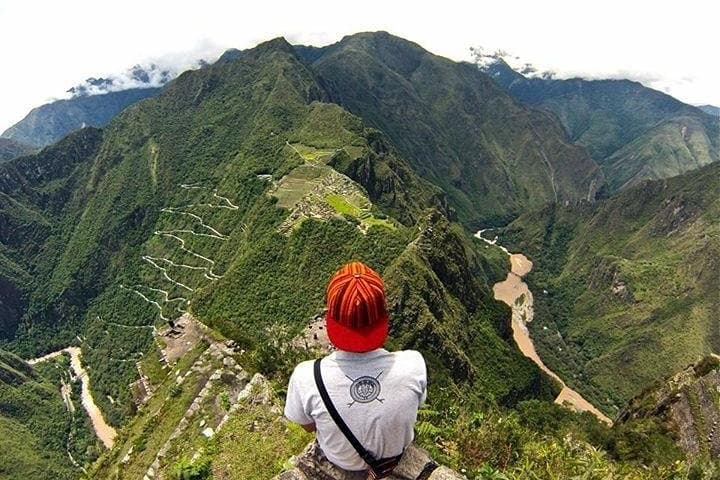
Practicalities shape the second day: an early bus from Aguas Calientes climbs the switchbacks to Machu Picchu (elevation ~2,430 m) where a two-hour guided circuit covers key sectors: agricultural terraces, urban core, and the Sun Temple viewpoints. Trains link Ollantaytambo and Aguas Calientes in roughly 1.5–2 hours; total trip time is two days with significant walking on uneven stone and stairs.
Plan for altitude (Cusco ~3,400 m) by hydrating and avoiding heavy exertion on arrival day. Wear sturdy, grippy footwear—steps are steep and often wet—and layer for rapid temperature swings. Bring sun protection, a refillable water bottle, and small local currency for markets. The route delivers concentrated history, engineered landscapes, and the unmistakable hush of the citadel when the morning mist lifts.
moderate.
2 days.
Light to moderate fitness; must be able to walk for several hours on uneven ground and climb steep stone steps.
No—there’s no mountain trekking, but there is extensive walking on uneven stone and staircases; basic mobility and stable footwear are required.
The tour typically includes transport from Cusco, train tickets to Aguas Calientes, breakfast, lunch, entrance ticket to Machu Picchu, and a guide; check the booking details for specifics.
Expect a very early start: buses to Machu Picchu depart Aguas Calientes before sunrise to reach the site for the guided visit.
Infants are allowed but must sit on an adult’s lap during transport; consider the long travel day and early morning schedule when traveling with young children.
The Sacred Valley was a vital agricultural and ceremonial zone for the Inca Empire; sites like Pisaq and Ollantaytambo show adaptive terrace farming and military architecture.
Visitor limits and timed entries at Machu Picchu reduce erosion and crowding; stick to marked paths and avoid single-use plastics to lessen impact.
Machupicchu Nice operates guided outdoor trips and adventures with an emphasis on safety, stewardship, and memorable experiences.
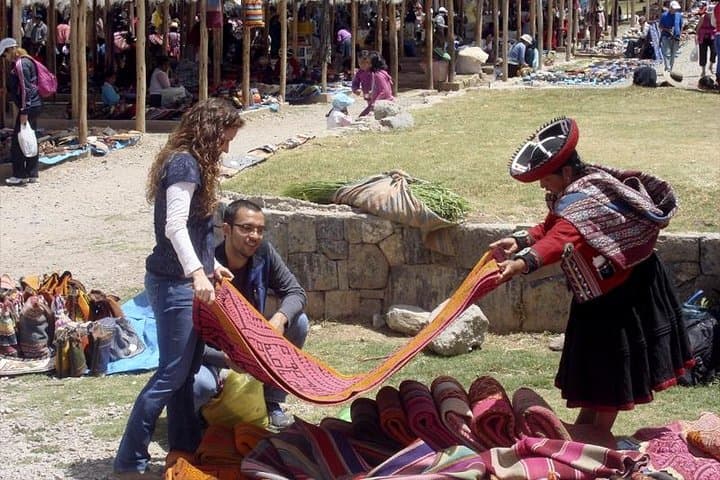
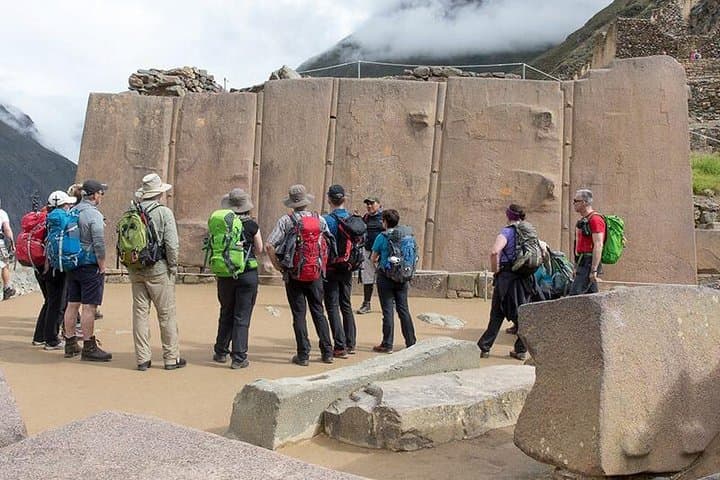
Dawn in the high Andes feels immediate: thin air, a cool wind that moves through terraced slopes and the call of a distant bell. You leave Cusco around 8am and the road loosens the city’s stone-grid into pasture, puna grasses, and terraced Inca fields. The first day unfolds through hilltop lookouts at Qorao and Taray, then Pisaq’s agricultural terraces and lively handicraft market. By afternoon the fortress of Ollantaytambo rises like a stepped engine room of stone, a living Inca town that keeps the valley’s rhythm.
Dawn in the high Andes feels immediate: thin air, a cool wind that moves through terraced slopes and the call of a distant bell. You leave Cusco around 8am and the road loosens the city’s stone-grid into pasture, puna grasses, and terraced Inca fields. The first day unfolds through hilltop lookouts at Qorao and Taray, then Pisaq’s agricultural terraces and lively handicraft market. By afternoon the fortress of Ollantaytambo rises like a stepped engine room of stone, a living Inca town that keeps the valley’s rhythm.
Geology here is dramatic—folded volcanic and sedimentary layers carved by the Urubamba River—and the Incas chose sites for drainage and microclimates, evidence visible in irrigation channels and agricultural platforms. Culturally, the Sacred Valley remains a center for Quechua life; market stalls sell woven alpaca, coca leaves, and pottery made by families whose methods trace centuries.
Practicalities shape the second day: an early bus from Aguas Calientes climbs the switchbacks to Machu Picchu (elevation ~2,430 m) where a two-hour guided circuit covers key sectors: agricultural terraces, urban core, and the Sun Temple viewpoints. Trains link Ollantaytambo and Aguas Calientes in roughly 1.5–2 hours; total trip time is two days with significant walking on uneven stone and stairs.
Plan for altitude (Cusco ~3,400 m) by hydrating and avoiding heavy exertion on arrival day. Wear sturdy, grippy footwear—steps are steep and often wet—and layer for rapid temperature swings. Bring sun protection, a refillable water bottle, and small local currency for markets. The route delivers concentrated history, engineered landscapes, and the unmistakable hush of the citadel when the morning mist lifts.