THE ADVENTURE COLLECTIVE® · Independent discovery and booking for outdoor travel

Travelers can experience Chinchero, Moray, Maras and the citadel of Machu Picchu on a two-day itinerary that blends Inca engineering with cloud-forest scenery. This guide explains what to expect, how to prepare for altitude, and practical tips for the train and entrance logistics.
Travelers can experience Chinchero, Moray, Maras and the citadel of Machu Picchu on a two-day itinerary that blends Inca engineering with cloud-forest scenery. This guide explains what to expect, how to prepare for altitude, and practical tips for the train and entrance logistics.
The morning air in the Sacred Valley bites with altitude and possibility as the minivan threads narrow Andean roads toward terraced fields and stone towns. Travelers step out on sun-washed plazas in Chinchero, feel wind-swept rims at the circular terraces of Moray, and peer into geometric salt pans at Maras — each site a different note in the region’s long human story.
Verified experiences and guided adventures in the surrounding area.
Operated by WPeru-Travel · Aguas Calientes, Cusco Region
The morning air in the Sacred Valley bites with altitude and possibility as the minivan threads narrow Andean roads toward terraced fields and stone towns. Travelers step out on sun-washed plazas in Chinchero, feel wind-swept rims at the circular terraces of Moray, and peer into geometric salt pans at Maras — each site a different note in the region’s long human story.
This landscape is shaped by high volcanic ridges and river-cut valleys of the Urubamba, where Inca engineering married steep topography to agriculture. Machu Picchu sits on a limestone and granite spur above the Hidroeléctrica gorge, its walls and stairways reflecting precise ashlar masonry and an intimate relationship with mountain hydrology and celestial alignments.
Culturally, the Sacred Valley remains active: Quechua-speaking communities keep textile techniques alive in Chinchero and market days still revolve around barter and local crops. The train ride from Ollantaytambo to Aguas Calientes is part transit, part scenic reveal — you descend from high puna into cloud forest where orchids hang and hummingbirds dart.
Practical guidance: acclimatize in Cusco (3,400 m) for 24–48 hours before touring to reduce altitude effects. Expect basic walking on uneven stone paths at Machu Picchu and a 25-minute switchback bus from Aguas Calientes; bring a waterproof layer and sturdy footwear. Book entrance times and train seats early: visitor windows are enforced and trains sell out. Hydration, sun protection, and respect for fragile trails will make the visit safer and more enjoyable.
moderate.
2 days.
Suitable for travelers in regular walking shape; stairs and uneven stone paths require steady balance and basic cardio at altitude.
Yes — entrance slots are limited and time-stamped; buy tickets and train reservations well before travel dates, especially June–August.
Cusco and the Sacred Valley sit above 3,000 m; mild symptoms are common — rest, hydrate, avoid alcohol, and consult a physician about medications like acetazolamide if concerned.
Machu Picchu includes steep stone steps and uneven surfaces; the itinerary is not suitable for travelers with significant mobility limitations.
Peruvian soles are standard for small purchases; Spanish and Quechua are widely spoken — English is common at major tourist sites but less so in smaller towns.
The Sacred Valley was a key agricultural and ceremonial zone for the Inca, who engineered terraces, irrigation, and storage sites to support Cuzco’s empire.
Visitor limits and designated paths protect fragile soils and archaeological structures; stick to marked trails, use designated restrooms, and avoid single-use plastics when possible.
WPeru-Travel operates guided outdoor trips and adventures with an emphasis on safety, stewardship, and memorable experiences.


The morning air in the Sacred Valley bites with altitude and possibility as the minivan threads narrow Andean roads toward terraced fields and stone towns. Travelers step out on sun-washed plazas in Chinchero, feel wind-swept rims at the circular terraces of Moray, and peer into geometric salt pans at Maras — each site a different note in the region’s long human story.
The morning air in the Sacred Valley bites with altitude and possibility as the minivan threads narrow Andean roads toward terraced fields and stone towns. Travelers step out on sun-washed plazas in Chinchero, feel wind-swept rims at the circular terraces of Moray, and peer into geometric salt pans at Maras — each site a different note in the region’s long human story.
This landscape is shaped by high volcanic ridges and river-cut valleys of the Urubamba, where Inca engineering married steep topography to agriculture. Machu Picchu sits on a limestone and granite spur above the Hidroeléctrica gorge, its walls and stairways reflecting precise ashlar masonry and an intimate relationship with mountain hydrology and celestial alignments.
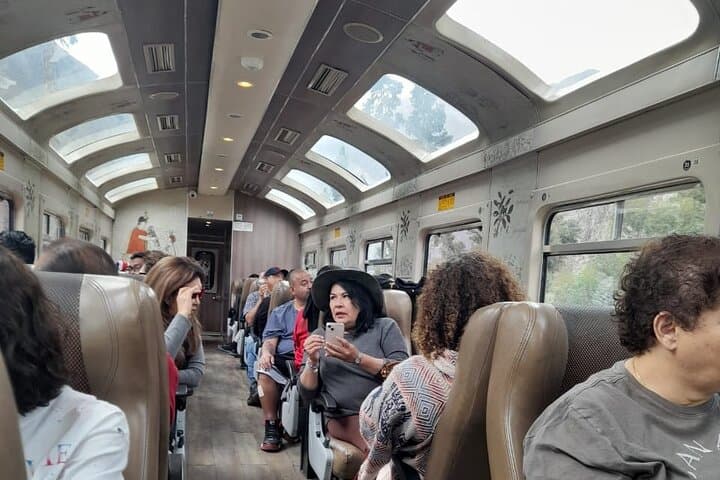
Culturally, the Sacred Valley remains active: Quechua-speaking communities keep textile techniques alive in Chinchero and market days still revolve around barter and local crops. The train ride from Ollantaytambo to Aguas Calientes is part transit, part scenic reveal — you descend from high puna into cloud forest where orchids hang and hummingbirds dart.
Practical guidance: acclimatize in Cusco (3,400 m) for 24–48 hours before touring to reduce altitude effects. Expect basic walking on uneven stone paths at Machu Picchu and a 25-minute switchback bus from Aguas Calientes; bring a waterproof layer and sturdy footwear. Book entrance times and train seats early: visitor windows are enforced and trains sell out. Hydration, sun protection, and respect for fragile trails will make the visit safer and more enjoyable.