THE ADVENTURE COLLECTIVE® · Independent discovery and booking for outdoor travel

Rise with the Andes and watch Machu Picchu unveil itself at sunrise on this two-day guided loop through the Sacred Valley. Practical logistics, cultural stops, and an optional Huayna Picchu ascent are woven into a short, altitude-aware itinerary.
Rise with the Andes and watch Machu Picchu unveil itself at sunrise on this two-day guided loop through the Sacred Valley. Practical logistics, cultural stops, and an optional Huayna Picchu ascent are woven into a short, altitude-aware itinerary.
Dawn arrives as a slow, chalky light across the high Andes, and the silhouette of Huayna Picchu cuts into the sky like a challenge. On this two-day loop from Cusco you ride the slow current of the Urubamba River through terraced valleys, disembarking in the tight streets of Ollantaytambo before spending the night in Aguas Calientes to catch Machu Picchu at first light.
Verified experiences and guided adventures in the surrounding area.
Operated by Inca Soul Tours · Cusco, Cusco Region
Dawn arrives as a slow, chalky light across the high Andes, and the silhouette of Huayna Picchu cuts into the sky like a challenge. On this two-day loop from Cusco you ride the slow current of the Urubamba River through terraced valleys, disembarking in the tight streets of Ollantaytambo before spending the night in Aguas Calientes to catch Machu Picchu at first light.
The route threads Inca stonework and colonial towns. The Sacred Valley was the Inca breadbasket—fertile terraces and ceremonial sites such as Pisac and Ollantaytambo display engineering choices that harnessed steep slopes and meltwater. Geologically, the citadel sits where granite and volcanic deposits meet cloud forest, a combination that feeds dramatic cliffs and rich biodiversity.
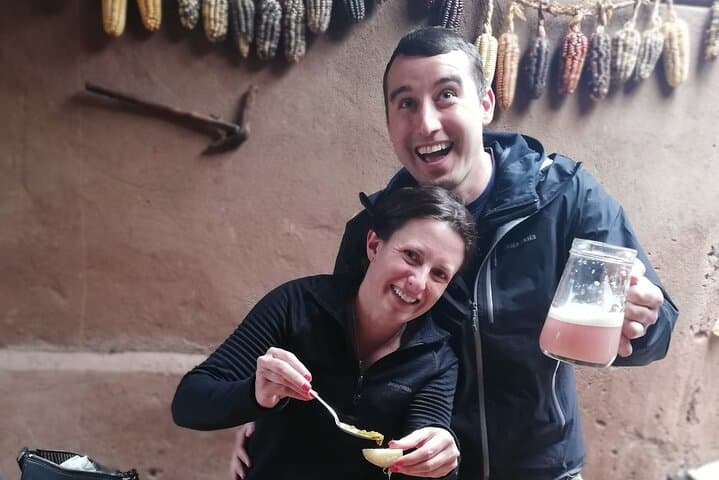
Local culture remains present: market vendors in Pisac, traditional weaving demonstrations, and small family-run eateries in Aguas Calientes. Guides emphasize both the engineered precision of the terraces and the living practices—alpaca and llama husbandry, textile techniques, and Andean cosmology.
Practical guide: expect two days with early-morning travel and a short climb to viewpoints; the second-day sunrise requires a pre-dawn bus and steady shoes for uneven stone paths. Altitude affects breathing—hydrate, move deliberately, and test your pace on stair-heavy ruins. Bring layers for temperature swings, rain protection, and spare batteries for low-light photography. If you plan Huayna Picchu, reserve permits well in advance; numbers are limited.
This itinerary balances culture, accessible hiking, and a sunrise that makes the ruins push back against the sky—an economy of effort for maximum reward.
moderate.
2 days.
Suitable for travelers with basic fitness; the itinerary includes stair-heavy sites and optional steep climbs—altitude fitness matters.
Yes—Machu Picchu entry is limited and Huayna Picchu has stricter daily caps; your operator can check availability but you should confirm tickets before travel when possible.
The standard tour is not technical but includes stairs and short steep sections; streams of altitude make it feel harder—moderate fitness and acclimatization are recommended.
Trains between Ollantaytambo and Aguas Calientes are typically not included in base pricing—confirm with the operator to add them at booking.
Some parts of the Sacred Valley and the lower Machu Picchu circuit are accessible, but steep stone steps and uneven surfaces limit full accessibility—check specifics with the operator.
The Sacred Valley was a strategic agricultural and religious corridor for the Inca, shaped into terraces and engineered water systems that supplied Cusco and its citadels.
Visitor limits, ticketing windows, and strict trail rules aim to reduce erosion and crowding; stick to marked paths, avoid feeding wildlife, and follow local guidance to minimize impact.
Inca Soul Tours operates guided outdoor trips and adventures with an emphasis on safety, stewardship, and memorable experiences.

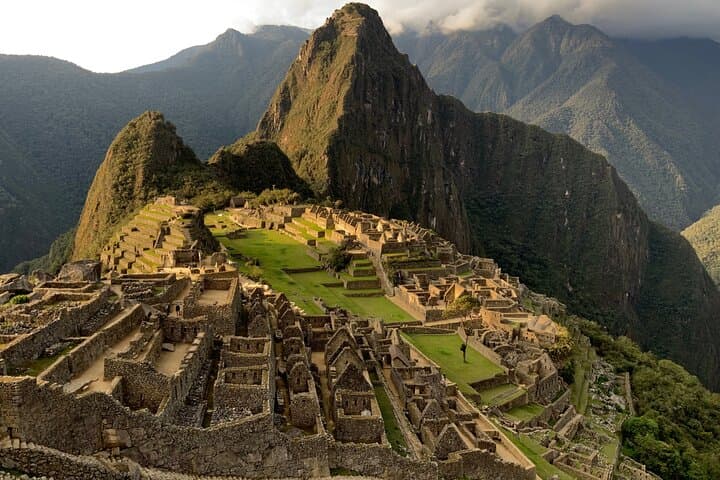

Dawn arrives as a slow, chalky light across the high Andes, and the silhouette of Huayna Picchu cuts into the sky like a challenge. On this two-day loop from Cusco you ride the slow current of the Urubamba River through terraced valleys, disembarking in the tight streets of Ollantaytambo before spending the night in Aguas Calientes to catch Machu Picchu at first light.
Dawn arrives as a slow, chalky light across the high Andes, and the silhouette of Huayna Picchu cuts into the sky like a challenge. On this two-day loop from Cusco you ride the slow current of the Urubamba River through terraced valleys, disembarking in the tight streets of Ollantaytambo before spending the night in Aguas Calientes to catch Machu Picchu at first light.
The route threads Inca stonework and colonial towns. The Sacred Valley was the Inca breadbasket—fertile terraces and ceremonial sites such as Pisac and Ollantaytambo display engineering choices that harnessed steep slopes and meltwater. Geologically, the citadel sits where granite and volcanic deposits meet cloud forest, a combination that feeds dramatic cliffs and rich biodiversity.
Local culture remains present: market vendors in Pisac, traditional weaving demonstrations, and small family-run eateries in Aguas Calientes. Guides emphasize both the engineered precision of the terraces and the living practices—alpaca and llama husbandry, textile techniques, and Andean cosmology.
Practical guide: expect two days with early-morning travel and a short climb to viewpoints; the second-day sunrise requires a pre-dawn bus and steady shoes for uneven stone paths. Altitude affects breathing—hydrate, move deliberately, and test your pace on stair-heavy ruins. Bring layers for temperature swings, rain protection, and spare batteries for low-light photography. If you plan Huayna Picchu, reserve permits well in advance; numbers are limited.
This itinerary balances culture, accessible hiking, and a sunrise that makes the ruins push back against the sky—an economy of effort for maximum reward.