THE ADVENTURE COLLECTIVE® · Independent discovery and booking for outdoor travel

Board a scenic train, traverse the Sacred Valley’s agricultural wonders, and arrive at Machu Picchu at first light. This two-day tour pairs Inca engineering with river-cut Andean scenery—ideal for travelers who want culture, photography and efficient logistics.
Board a scenic train, traverse the Sacred Valley’s agricultural wonders, and arrive at Machu Picchu at first light. This two-day tour pairs Inca engineering with river-cut Andean scenery—ideal for travelers who want culture, photography and efficient logistics.
The train slides along the Urubamba like a ribbon of steel, river water daring you to look away as terraces and red-roofed villages drift past. By night you sleep in Aguas Calientes; by dawn you step into the thin, clear air that lifts your lungs and the stonework that holds ancient voices.
Verified experiences and guided adventures in the surrounding area.
Operated by Amaiaq · Aguas Calientes, Cusco Region
The train slides along the Urubamba like a ribbon of steel, river water daring you to look away as terraces and red-roofed villages drift past. By night you sleep in Aguas Calientes; by dawn you step into the thin, clear air that lifts your lungs and the stonework that holds ancient voices.
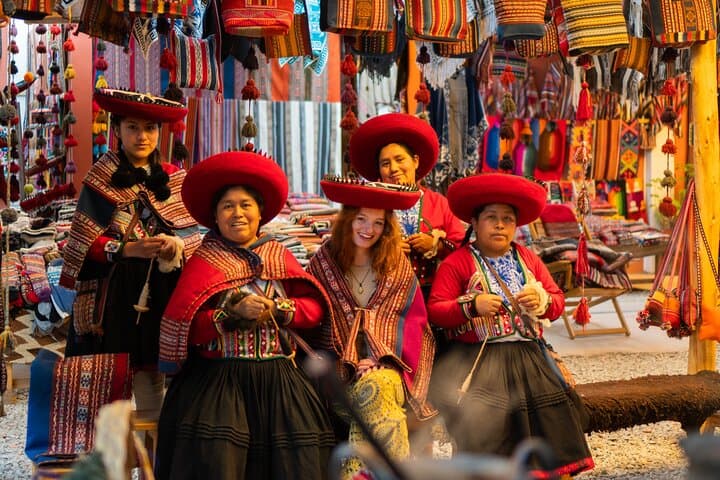
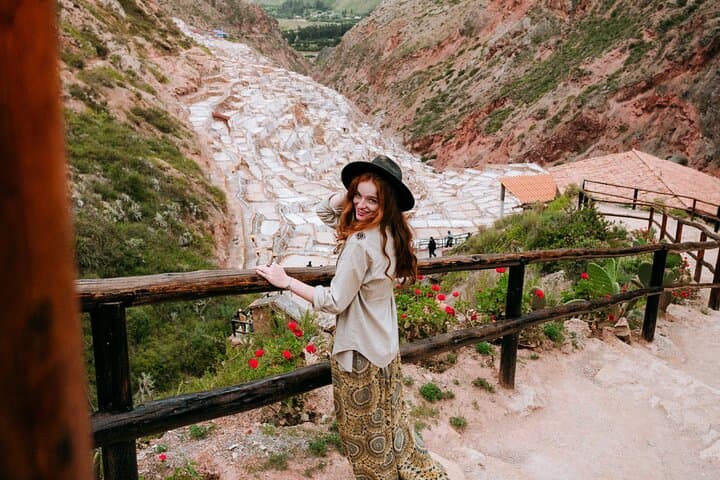
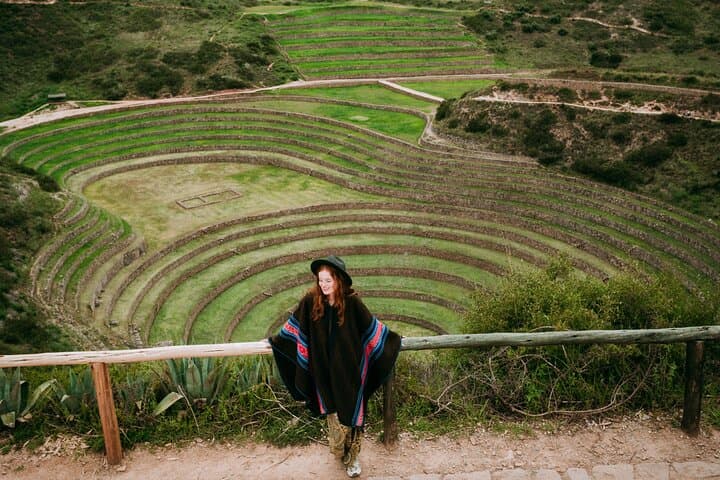
This two-day itinerary threads through Andean history and engineering. Day one covers Chinchero’s weaving demonstrations, Moray’s concentric agricultural labs, the glittering Maras salt pans and the hilltop fortress at Ollantaytambo—sites that show how the Incas manipulated microclimates and stone to feed an empire. Geologically, you’ll cross folded Andes flanks carved by rivers and glaciers; ecologically, the route falls from high puna into cloud forest, so vegetation changes quickly and birds become more vocal as you descend.
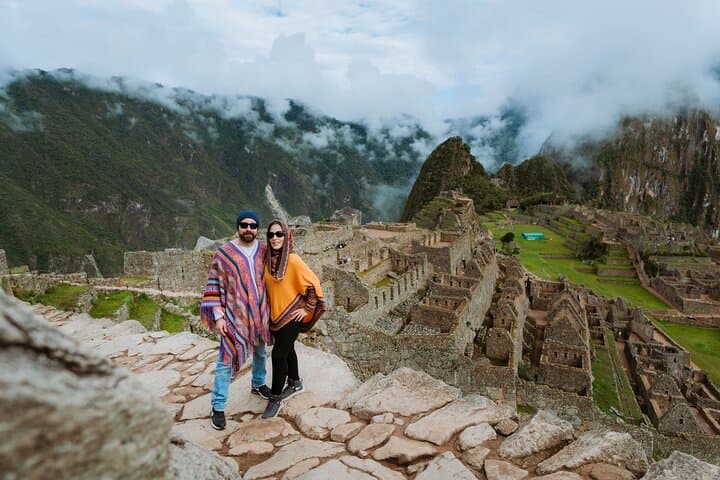
On day two you join the morning procession to Machu Picchu. The citadel’s terraces, ramps and finely joined walls read like an instruction manual in stone; your guide will place each sector in practical context—agriculture, astronomy, ritual—so the place comes into focus beyond the postcard shot.
Practical guidance: acclimatize in Cusco for 24–48 hours if you can; carry cash for small market purchases; book Machu Picchu entry and train seats in advance; wear grippy shoes for steep stone steps and expect sudden showers in the cloud forest. Hydrate, rise early for softer light and thinner crowds, and move deliberately—these ruins reward slow attention and clear boots.
moderate.
2 days (approx. 48 hours).
Moderate fitness; able to walk several hours on uneven stone steps and stand during guided segments; plan for altitude.
Train tickets Ollantaytambo–Aguas Calientes round trip and bus up to Machu Picchu are included; the Machu Picchu Circuit 2 ticket is included if booked in advance—confirm your entry time at booking.
The guided tour involves walking on uneven stone terraces and stairs for 2–3 hours; it’s doable for most but requires steady balance and basic stamina.
Yes—bring your passport for Machu Picchu entry; the name must match the ticket booking exactly.
Possibly—Huayna Picchu permits are limited and require separate booking; discuss options with the operator before travel to secure availability.
The Sacred Valley and Machu Picchu are core Inca heartland where agricultural innovation and stone masonry converged to support highland populations.
Machu Picchu has strict visitor limits and trails—stay on marked paths, pack out waste, and support local guides and businesses to reduce tourism pressure.
Amaiaq operates guided outdoor trips and adventures with an emphasis on safety, stewardship, and memorable experiences.
The train slides along the Urubamba like a ribbon of steel, river water daring you to look away as terraces and red-roofed villages drift past. By night you sleep in Aguas Calientes; by dawn you step into the thin, clear air that lifts your lungs and the stonework that holds ancient voices.
The train slides along the Urubamba like a ribbon of steel, river water daring you to look away as terraces and red-roofed villages drift past. By night you sleep in Aguas Calientes; by dawn you step into the thin, clear air that lifts your lungs and the stonework that holds ancient voices.
This two-day itinerary threads through Andean history and engineering. Day one covers Chinchero’s weaving demonstrations, Moray’s concentric agricultural labs, the glittering Maras salt pans and the hilltop fortress at Ollantaytambo—sites that show how the Incas manipulated microclimates and stone to feed an empire. Geologically, you’ll cross folded Andes flanks carved by rivers and glaciers; ecologically, the route falls from high puna into cloud forest, so vegetation changes quickly and birds become more vocal as you descend.
On day two you join the morning procession to Machu Picchu. The citadel’s terraces, ramps and finely joined walls read like an instruction manual in stone; your guide will place each sector in practical context—agriculture, astronomy, ritual—so the place comes into focus beyond the postcard shot.
Practical guidance: acclimatize in Cusco for 24–48 hours if you can; carry cash for small market purchases; book Machu Picchu entry and train seats in advance; wear grippy shoes for steep stone steps and expect sudden showers in the cloud forest. Hydrate, rise early for softer light and thinner crowds, and move deliberately—these ruins reward slow attention and clear boots.