THE ADVENTURE COLLECTIVE® · Independent discovery and booking for outdoor travel

Two days that compress centuries: weave through Chinchero and Maras, ride the train to Aguas Calientes, then watch the sun lift over Machu Picchu. This guided tour pairs easier logistics with big sights—ideal if you want a thorough introduction to the Sacred Valley and the citadel itself.
Two days that compress centuries: weave through Chinchero and Maras, ride the train to Aguas Calientes, then watch the sun lift over Machu Picchu. This guided tour pairs easier logistics with big sights—ideal if you want a thorough introduction to the Sacred Valley and the citadel itself.
Dawn breaks over the Urubamba Valley and the air tastes like rain and stone. You leave Cusco before breakfast, riding narrow Andean roads as terraces climb like stepped fingers above the valley. The first day threads through Chinchero’s weaving stalls, the concentric agricultural amphitheater at Moray and the glittering pans of Maras, each site a chapter in the Incas’ practical experiments with climate and crops.
Verified experiences and guided adventures in the surrounding area.
Operated by Ali Peru Treks - Travel Agency · Aguas Calientes, Cusco
Dawn breaks over the Urubamba Valley and the air tastes like rain and stone. You leave Cusco before breakfast, riding narrow Andean roads as terraces climb like stepped fingers above the valley. The first day threads through Chinchero’s weaving stalls, the concentric agricultural amphitheater at Moray and the glittering pans of Maras, each site a chapter in the Incas’ practical experiments with climate and crops.
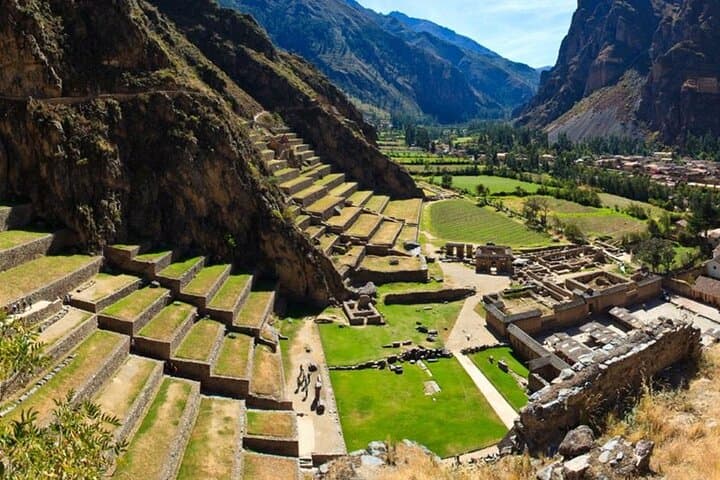
Geology here is loud: folded Andean ridges and weathered granite walls that the builders shaped with exacting joints. In Ollantaytambo, massive dressed stones lock together without mortar—living proof of Inca masonry—while local residents keep Quechua traditions alive in markets and festivals.
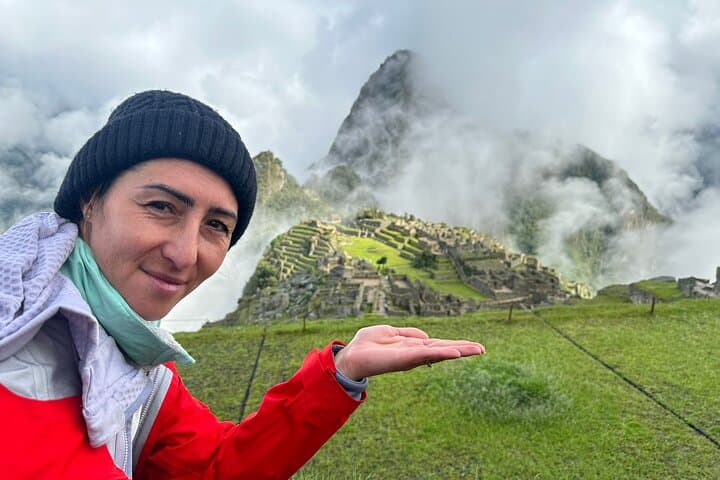
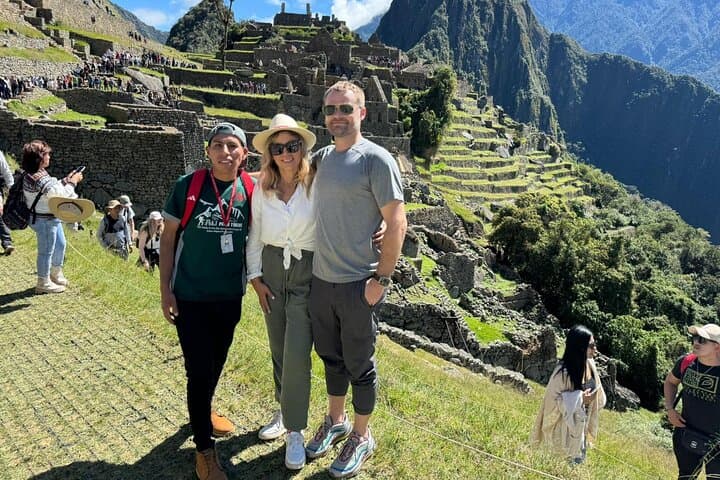
Practicality governs the second day. From Aguas Calientes a 25-minute bus ride climbs the switchbacks to Machu Picchu for sunrise; the guide stakes out the east-facing viewpoints so you beat the crowds. Expect uneven Inca stairways, short steep sections and altitudes from about 2,000–3,400 m between Cusco and the valley. The itinerary includes round-trip train, one night in a 3-star hotel in Aguas Calientes, and entrance to Machu Picchu.
Tips that matter: acclimatize in Cusco for 24–48 hours if possible, carry a daypack with water and a rain layer, and protect electronics from fine dust. Walk deliberately on stone surfaces—wet steps are slippery—and give yourself time for photos and quiet moments inside the citadel.
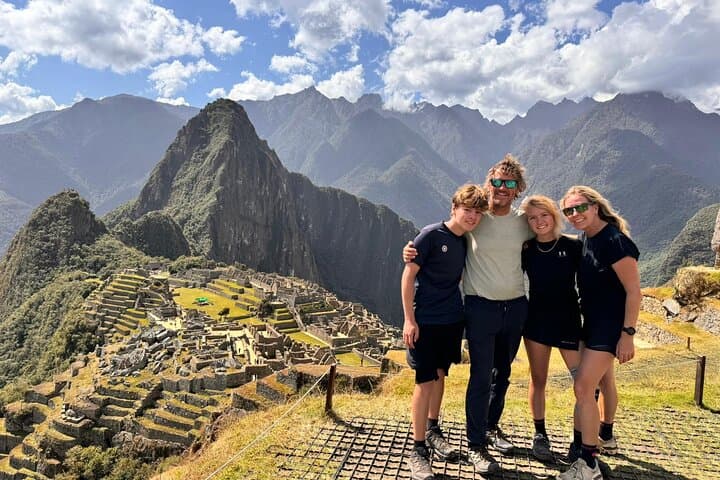
This two-day loop is compact but complete: history, culture, geology and a sunrise at one of the world’s most iconic ruins, delivered with the logistics already arranged so you can focus on the landscape doing the daring.
moderate.
2 days (approx. 48 hours; 6–10 hours active per day).
Moderate fitness: comfortable walking on uneven stone and climbing stairs; ability to handle short steep sections and high-altitude exposure.
No—this tour includes the Machu Picchu entrance ticket and round-trip train; bring your passport (required for entry).
Expect about 2–4 hours of guided walking on uneven terrain with stone steps; additional exploring is possible but may require more stamina.
Yes—Cusco sits around 3,400 m. Allow 24–48 hours to acclimatize, stay hydrated, and avoid heavy drinking the night before travel.
Yes—most Aguas Calientes hotels hold large bags so you only take a daypack to the citadel.
The Sacred Valley was a primary agricultural and administrative corridor for the Inca; sites like Moray and Ollantaytambo reflect deliberate agricultural engineering and imperial planning.
Visitor limits at Machu Picchu and trail management protect fragile archaeological soils—stick to marked paths, avoid feeding wildlife and use refillable water containers.
Ali Peru Treks - Travel Agency operates guided outdoor trips and adventures with an emphasis on safety, stewardship, and memorable experiences.
Dawn breaks over the Urubamba Valley and the air tastes like rain and stone. You leave Cusco before breakfast, riding narrow Andean roads as terraces climb like stepped fingers above the valley. The first day threads through Chinchero’s weaving stalls, the concentric agricultural amphitheater at Moray and the glittering pans of Maras, each site a chapter in the Incas’ practical experiments with climate and crops.
Dawn breaks over the Urubamba Valley and the air tastes like rain and stone. You leave Cusco before breakfast, riding narrow Andean roads as terraces climb like stepped fingers above the valley. The first day threads through Chinchero’s weaving stalls, the concentric agricultural amphitheater at Moray and the glittering pans of Maras, each site a chapter in the Incas’ practical experiments with climate and crops.
Geology here is loud: folded Andean ridges and weathered granite walls that the builders shaped with exacting joints. In Ollantaytambo, massive dressed stones lock together without mortar—living proof of Inca masonry—while local residents keep Quechua traditions alive in markets and festivals.
Practicality governs the second day. From Aguas Calientes a 25-minute bus ride climbs the switchbacks to Machu Picchu for sunrise; the guide stakes out the east-facing viewpoints so you beat the crowds. Expect uneven Inca stairways, short steep sections and altitudes from about 2,000–3,400 m between Cusco and the valley. The itinerary includes round-trip train, one night in a 3-star hotel in Aguas Calientes, and entrance to Machu Picchu.
Tips that matter: acclimatize in Cusco for 24–48 hours if possible, carry a daypack with water and a rain layer, and protect electronics from fine dust. Walk deliberately on stone surfaces—wet steps are slippery—and give yourself time for photos and quiet moments inside the citadel.
This two-day loop is compact but complete: history, culture, geology and a sunrise at one of the world’s most iconic ruins, delivered with the logistics already arranged so you can focus on the landscape doing the daring.