THE ADVENTURE COLLECTIVE® · Independent discovery and booking for outdoor travel

Spend a full day tracing the Inca’s agricultural backbone through Pisaq, Ollantaytambo and Chinchero. This guided tour from Cusco blends engineered terraces, living Quechua communities, and readable stonework into an accessible eight-hour cultural route.
Spend a full day tracing the Inca’s agricultural backbone through Pisaq, Ollantaytambo and Chinchero. This guided tour from Cusco blends engineered terraces, living Quechua communities, and readable stonework into an accessible eight-hour cultural route.
You step out of a minivan and the valley opens like a map folded into steep green shelves—stone terraces climbing the slopes, the Urubamba River threading the floor and Andes peaks pressing the horizon.
Verified experiences and guided adventures in the surrounding area.
Operated by CrossoverPeru Tours · Urubamba, Cusco Region
You step out of a minivan and the valley opens like a map folded into steep green shelves—stone terraces climbing the slopes, the Urubamba River threading the floor and Andes peaks pressing the horizon.
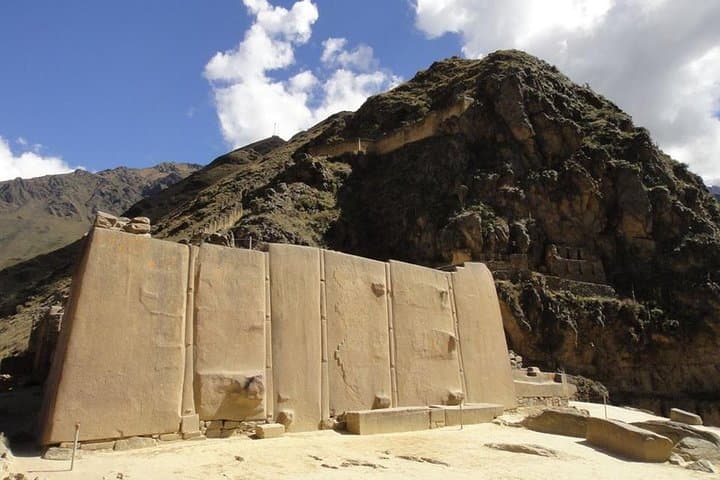
Morning light favors Pisaq’s high agricultural terraces and the stonework of its hillside citadel. The route then follows the river through farming communities to Urubamba for lunch, before the ceremonial terraces and narrow streets of Ollantaytambo, and finally Chinchero’s plaza where a colonial church perches on Inca foundations.
This corridor was the Inca Empire’s productive heart: engineered terraces, water channels, and sun-facing plazas gave the state food security and ceremonial power. Geologically, the valley is a glacial-carved river canyon with sheer slopes and alluvial benches that supported concentrated Inca agriculture. Culturally, local Quechua communities keep textile weaving and market traditions alive—markets in Pisac sell hand-dyed alpaca and woven belts, while Chinchero still hosts traditional weaving demonstrations.
Practically, this is an eight-hour, accessible guided day trip from Cusco with hotel pickup and drop-off. Entrance fees to archaeological sites are typically paid separately; the tour’s description notes admissions are not included. Expect multiple short walks, stone steps, and sun exposure at higher elevations—bring water, sunscreen, and sturdy shoes. Start early to avoid midday crowds and allow time at viewpoints above the terraces.
If you want deeper context, ask your guide about agricultural engineering (andenes) and local festivals—those conversations bring the ruins to life and reveal how living traditions continue in the Sacred Valley.
easy.
8 hours.
Suitable for travelers in average fitness who can handle short uphill walks and uneven stone steps.
No; the tour notes that admissions are not included, so bring cash or be prepared to pay at each site.
Pickup is generally early morning to maximize daylight—expect departure around 7:00 AM but confirm your exact pickup time when booking.
Yes; the tour is listed as physically easy, but participants should be comfortable with short walks and stairs. Inform the operator of mobility needs beforehand.
Lunch in Urubamba is typically included or arranged, but bring snacks and water for the morning sections and potential delays.
The Sacred Valley was a core agricultural and ceremonial region for the Inca, with royal estates, storehouses and engineered terraces that supported Cusco’s population.
Tourism supports local economies but can stress fragile terraces and trails; stay on paths, avoid removing stones, and favor vendors who use sustainable practices.
CrossoverPeru Tours operates guided outdoor trips and adventures with an emphasis on safety, stewardship, and memorable experiences.
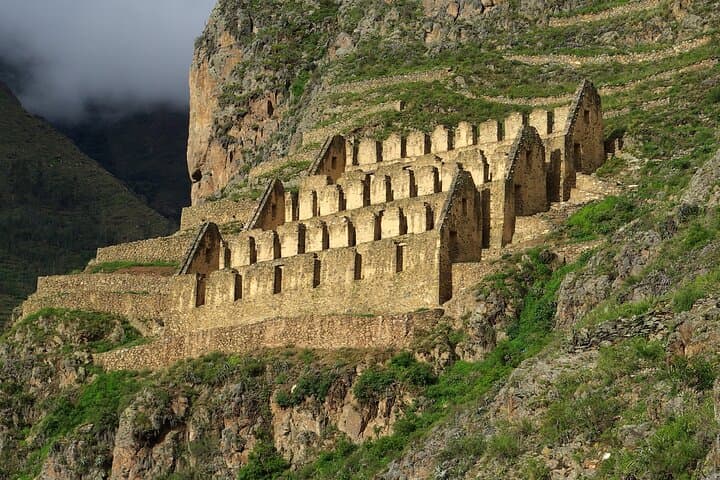
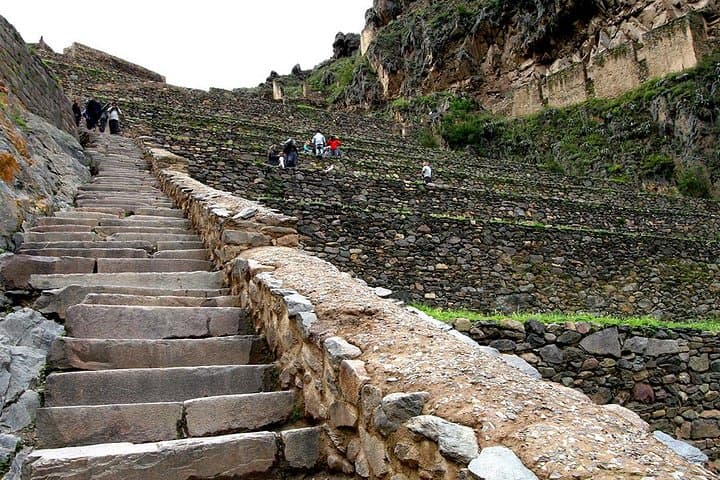

You step out of a minivan and the valley opens like a map folded into steep green shelves—stone terraces climbing the slopes, the Urubamba River threading the floor and Andes peaks pressing the horizon.
You step out of a minivan and the valley opens like a map folded into steep green shelves—stone terraces climbing the slopes, the Urubamba River threading the floor and Andes peaks pressing the horizon.
Morning light favors Pisaq’s high agricultural terraces and the stonework of its hillside citadel. The route then follows the river through farming communities to Urubamba for lunch, before the ceremonial terraces and narrow streets of Ollantaytambo, and finally Chinchero’s plaza where a colonial church perches on Inca foundations.
This corridor was the Inca Empire’s productive heart: engineered terraces, water channels, and sun-facing plazas gave the state food security and ceremonial power. Geologically, the valley is a glacial-carved river canyon with sheer slopes and alluvial benches that supported concentrated Inca agriculture. Culturally, local Quechua communities keep textile weaving and market traditions alive—markets in Pisac sell hand-dyed alpaca and woven belts, while Chinchero still hosts traditional weaving demonstrations.
Practically, this is an eight-hour, accessible guided day trip from Cusco with hotel pickup and drop-off. Entrance fees to archaeological sites are typically paid separately; the tour’s description notes admissions are not included. Expect multiple short walks, stone steps, and sun exposure at higher elevations—bring water, sunscreen, and sturdy shoes. Start early to avoid midday crowds and allow time at viewpoints above the terraces.
If you want deeper context, ask your guide about agricultural engineering (andenes) and local festivals—those conversations bring the ruins to life and reveal how living traditions continue in the Sacred Valley.