THE ADVENTURE COLLECTIVE® · Independent discovery and booking for outdoor travel

Explore the Sacred Valley in a single day: Pisac's terraces and market, a riverside buffet in Urubamba, Ollantaytambo's Inca fortress, and Chinchero's textile traditions. This full-day from Cusco blends accessible walking with cultural insight at high altitude.
Explore the Sacred Valley in a single day: Pisac's terraces and market, a riverside buffet in Urubamba, Ollantaytambo's Inca fortress, and Chinchero's textile traditions. This full-day from Cusco blends accessible walking with cultural insight at high altitude.
You step out of Cusco's thin highland air into a valley that pushes and folds like a living map—fields stacked in bands of green and gold, rivers cutting their way between terraces that still work. The tour moves from Pisac's high terraces and market to a riverside lunch in Urubamba, on to the fortress streets of Ollantaytambo, and finishes with Chinchero's weaving traditions and a colonial church built atop Inca stone.
Verified experiences and guided adventures in the surrounding area.
Operated by Willka travel Cusco · Ollantaytambo, Cusco
You step out of Cusco's thin highland air into a valley that pushes and folds like a living map—fields stacked in bands of green and gold, rivers cutting their way between terraces that still work. The tour moves from Pisac's high terraces and market to a riverside lunch in Urubamba, on to the fortress streets of Ollantaytambo, and finishes with Chinchero's weaving traditions and a colonial church built atop Inca stone.
This corridor was a core agricultural and administrative zone for the Inca Empire. Terracing and stonework here reflect engineering on a landscape of steep slopes and alluvial soils from the Urubamba River; glaciers and uplifted Andes created the long, fertile valley. In Pisac expect Inca cemeteries and irrigation channels; in Ollantaytambo, streets laid out for defense; in Chinchero, living textile practices that preserve pre-Columbian dyeing techniques.
Practically, the day runs about 10 hours with hotel pickup in central Cusco and shared transport between sites. Trails are short but at high altitude—altitude awareness and steady pacing matter more than technical skill. Bring layers for sun, wind, and sudden showers, and allow time at market stalls to observe dyeing and alpaca weaving. The guide provides context and logistics; admissions for some ruins may be separate. The route is cultural and outdoor in equal measure: terraces dare you to read centuries of human work, and the valley keeps pushing your view to the next cliff, the next plaza, the next set of stone stairs.
moderate.
10 hours.
Suitable for travelers with average fitness who can handle repeated short walks and stair sections at high altitude
Some sites included in the itinerary may require separate entrance tickets or a regional tourist ticket; confirm with your operator before travel.
A buffet lunch is included and vegetarian options are available if requested at booking.
The tour is suitable for most ages but involves walking on uneven terrain and high altitude; travelers with serious health conditions should avoid it.
Pickup is offered within the historical center of Cusco; if staying outside that area the meeting point is Calle Garcilaso 265, office 7.
The Sacred Valley served as a productive and ceremonial hub for the Incas, with royal estates and agricultural terraces engineered to maximize microclimates.
Respect local weaving practices by asking before photographing and buy directly from artisans when possible; stay on marked paths to protect fragile terrace soils.
Willka travel Cusco operates guided outdoor trips and adventures with an emphasis on safety, stewardship, and memorable experiences.
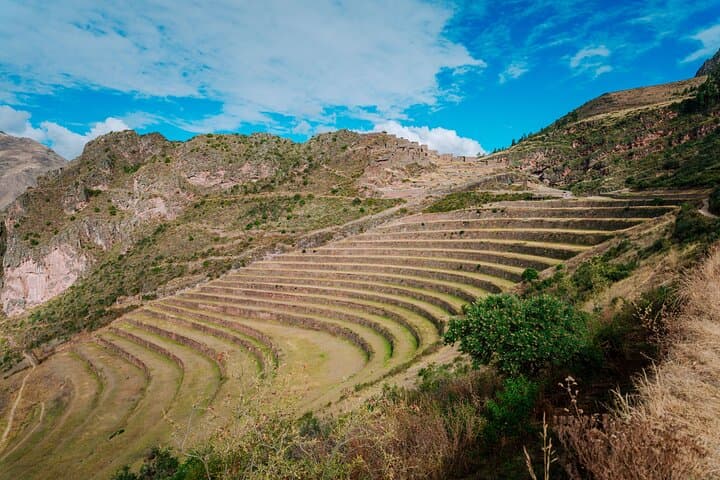
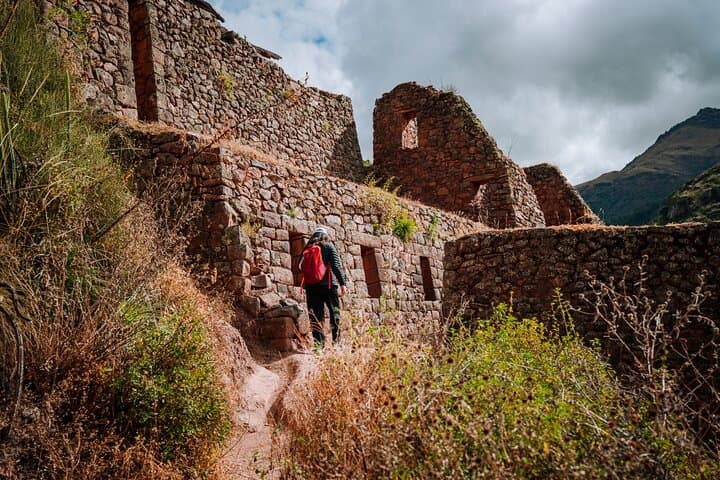
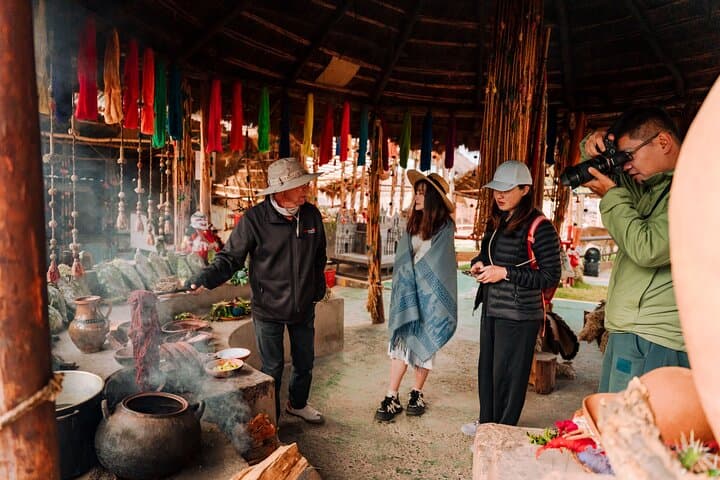
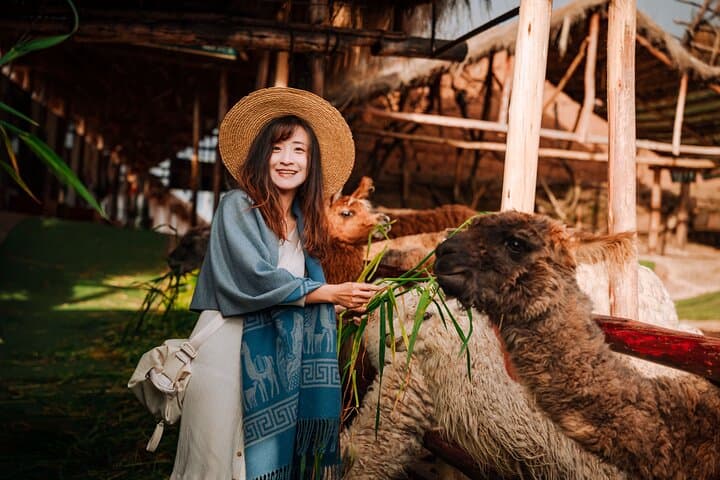
You step out of Cusco's thin highland air into a valley that pushes and folds like a living map—fields stacked in bands of green and gold, rivers cutting their way between terraces that still work. The tour moves from Pisac's high terraces and market to a riverside lunch in Urubamba, on to the fortress streets of Ollantaytambo, and finishes with Chinchero's weaving traditions and a colonial church built atop Inca stone.
You step out of Cusco's thin highland air into a valley that pushes and folds like a living map—fields stacked in bands of green and gold, rivers cutting their way between terraces that still work. The tour moves from Pisac's high terraces and market to a riverside lunch in Urubamba, on to the fortress streets of Ollantaytambo, and finishes with Chinchero's weaving traditions and a colonial church built atop Inca stone.
This corridor was a core agricultural and administrative zone for the Inca Empire. Terracing and stonework here reflect engineering on a landscape of steep slopes and alluvial soils from the Urubamba River; glaciers and uplifted Andes created the long, fertile valley. In Pisac expect Inca cemeteries and irrigation channels; in Ollantaytambo, streets laid out for defense; in Chinchero, living textile practices that preserve pre-Columbian dyeing techniques.
Practically, the day runs about 10 hours with hotel pickup in central Cusco and shared transport between sites. Trails are short but at high altitude—altitude awareness and steady pacing matter more than technical skill. Bring layers for sun, wind, and sudden showers, and allow time at market stalls to observe dyeing and alpaca weaving. The guide provides context and logistics; admissions for some ruins may be separate. The route is cultural and outdoor in equal measure: terraces dare you to read centuries of human work, and the valley keeps pushing your view to the next cliff, the next plaza, the next set of stone stairs.