THE ADVENTURE COLLECTIVE® · Independent discovery and booking for outdoor travel

A one-day loop from Cusco that pairs Pisac’s market and terraces with Ollantaytambo’s living Inca streets and Chinchero’s textile demonstrations. Expect short hikes, cultural immersion, and highland scenery with practical tips for altitude and local buys.
A one-day loop from Cusco that pairs Pisac’s market and terraces with Ollantaytambo’s living Inca streets and Chinchero’s textile demonstrations. Expect short hikes, cultural immersion, and highland scenery with practical tips for altitude and local buys.
You step out of your Cusco hotel at dawn and the road unwraps into highland light: terraced slopes slide past the van, the Urubamba River running like a silver seam that seems to dare you to follow it upstream. Wind moves through alpaca fleeces and the air is thin enough to remind you you’re somewhere high—where mountains keep their own calendar.
Verified experiences and guided adventures in the surrounding area.
Operated by TreXperience · Cusco, Cusco
You step out of your Cusco hotel at dawn and the road unwraps into highland light: terraced slopes slide past the van, the Urubamba River running like a silver seam that seems to dare you to follow it upstream. Wind moves through alpaca fleeces and the air is thin enough to remind you you’re somewhere high—where mountains keep their own calendar.
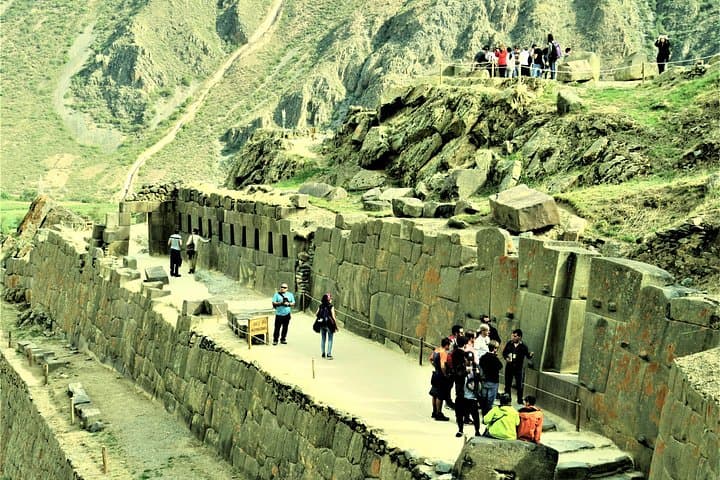
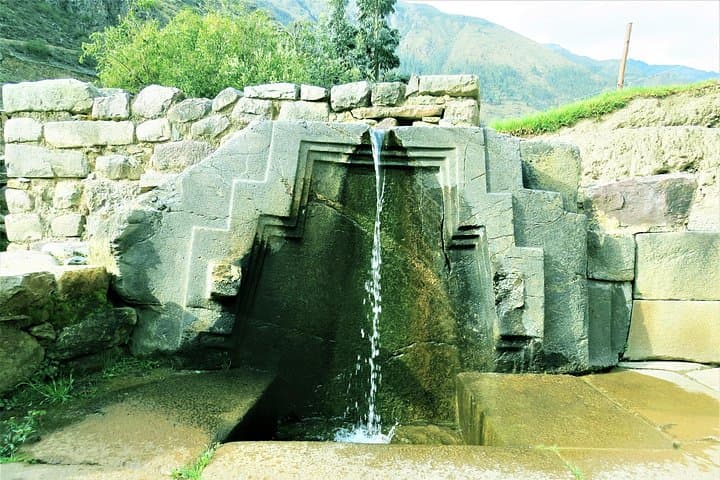
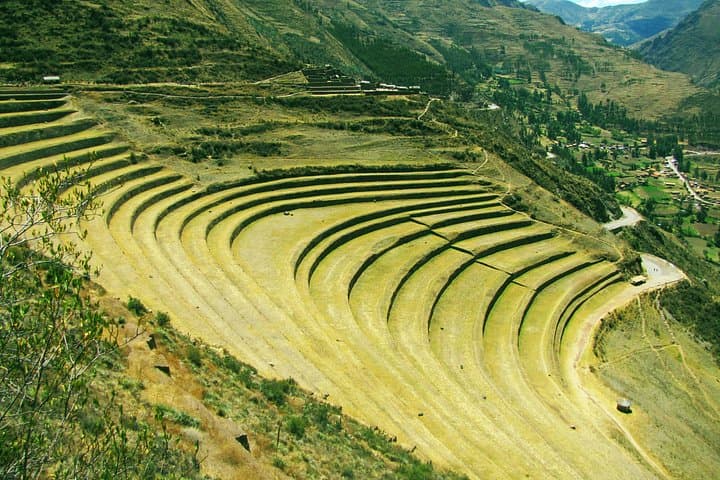
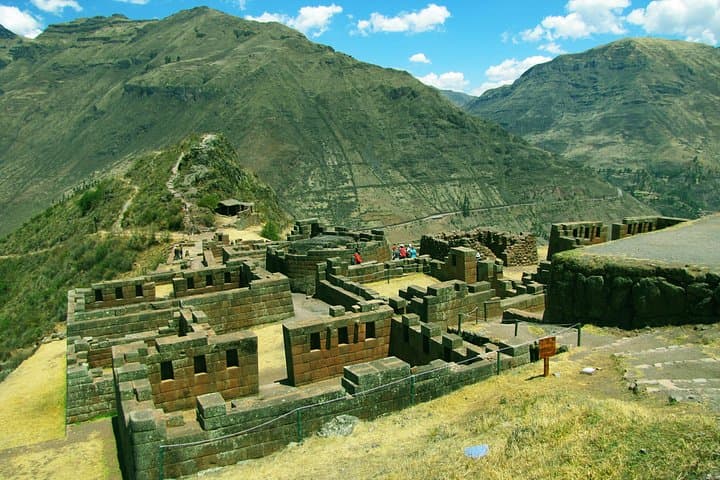
This full-day circuit threads together the valley’s living history. Pisac perches over the river with Inca terraces and a market where textiles still trade by barter and story. Urubamba’s fields recall the region’s role as the empire’s breadbasket; geology here is dramatic—folded Andean strata carved by millennia of river incision and glacial shaping. Ollantaytambo preserves street lines and stonework that still guide daily life, and Chinchero’s colonial chapel sits beside massive Inca platforms where women still dye wool by hand.
Expect a balance of short walks, market browsing and photo stops—the tour covers key ruins and weaving centers with a buffet lunch in Urubamba.
Practical edge: altitude matters—bring water, move deliberately, and wear layered clothing for sun and a sharp afternoon wind. Carry small bills for local crafts and tip guides who share contextual history and weaving techniques. The route is accessible for most travelers but includes uneven stone streets and steps; comfortable shoes and a light daypack make the day more enjoyable.
By dusk you’ll return to Cusco with a clearer sense of how Andean agriculture, craft and stonework have shaped both landscape and community.
easy.
9–10 hours.
Suitable for most travelers with basic fitness; includes walking on uneven stone streets and short stair sections.
The tour runs about 9–10 hours and typically departs from hotels in Cusco around 8:00 a.m., with return late afternoon.
Yes—it's listed as suitable for all fitness levels, but those with heart or serious health conditions should consult a doctor before joining.
Yes; the all-inclusive price covers entrance fees to sites visited, buffet lunch, transportation, and a professional guide.
Bring your passport (required for bookings) and small soles for markets and tips—cards are not always accepted at local stalls.
The Sacred Valley was a core agricultural center for the Inca Empire; terraces and irrigation systems here were engineered to maximize crop diversity across microclimates.
Highland soils and textile traditions are fragile—buy directly from cooperatives to support local economies and avoid leaving waste on trails.
TreXperience operates guided outdoor trips and adventures with an emphasis on safety, stewardship, and memorable experiences.
You step out of your Cusco hotel at dawn and the road unwraps into highland light: terraced slopes slide past the van, the Urubamba River running like a silver seam that seems to dare you to follow it upstream. Wind moves through alpaca fleeces and the air is thin enough to remind you you’re somewhere high—where mountains keep their own calendar.
You step out of your Cusco hotel at dawn and the road unwraps into highland light: terraced slopes slide past the van, the Urubamba River running like a silver seam that seems to dare you to follow it upstream. Wind moves through alpaca fleeces and the air is thin enough to remind you you’re somewhere high—where mountains keep their own calendar.
This full-day circuit threads together the valley’s living history. Pisac perches over the river with Inca terraces and a market where textiles still trade by barter and story. Urubamba’s fields recall the region’s role as the empire’s breadbasket; geology here is dramatic—folded Andean strata carved by millennia of river incision and glacial shaping. Ollantaytambo preserves street lines and stonework that still guide daily life, and Chinchero’s colonial chapel sits beside massive Inca platforms where women still dye wool by hand.
Expect a balance of short walks, market browsing and photo stops—the tour covers key ruins and weaving centers with a buffet lunch in Urubamba.
Practical edge: altitude matters—bring water, move deliberately, and wear layered clothing for sun and a sharp afternoon wind. Carry small bills for local crafts and tip guides who share contextual history and weaving techniques. The route is accessible for most travelers but includes uneven stone streets and steps; comfortable shoes and a light daypack make the day more enjoyable.
By dusk you’ll return to Cusco with a clearer sense of how Andean agriculture, craft and stonework have shaped both landscape and community.