THE ADVENTURE COLLECTIVE® · Independent discovery and booking for outdoor travel

Spend a full day moving through the agricultural heart of the Inca empire: Pisac terraces, an Andean buffet in Urubamba, the stonework of Ollantaytambo and Chinchero’s textile traditions. Practical tips for altitude, footwear and timing included.
Spend a full day moving through the agricultural heart of the Inca empire: Pisac terraces, an Andean buffet in Urubamba, the stonework of Ollantaytambo and Chinchero’s textile traditions. Practical tips for altitude, footwear and timing included.
A thin light creeps over Cusco as a minivan threads down the ribbed spine of the Andes and into the Sacred Valley — a broad, cultivated corridor where rivers hurry and terraces step like giant piano keys along steep slopes.
Verified experiences and guided adventures in the surrounding area.
Operated by Machupicchu Holiday · Urubamba, Cusco
A thin light creeps over Cusco as a minivan threads down the ribbed spine of the Andes and into the Sacred Valley — a broad, cultivated corridor where rivers hurry and terraces step like giant piano keys along steep slopes.
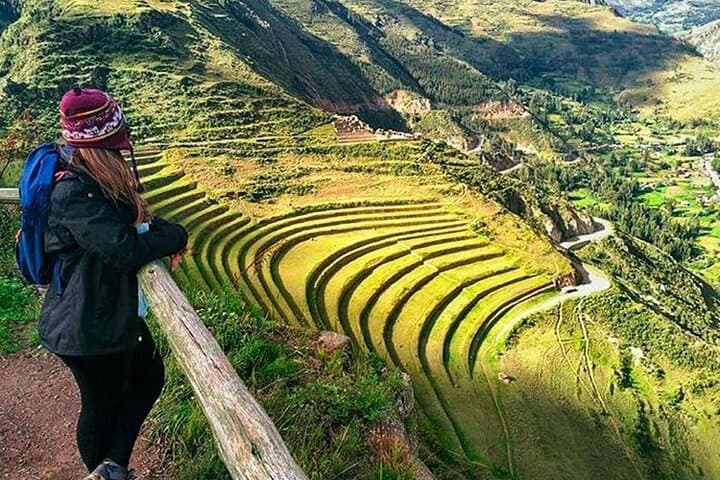
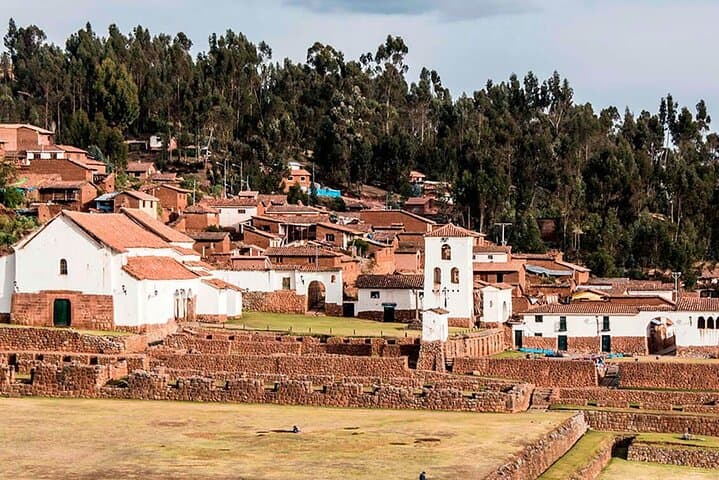
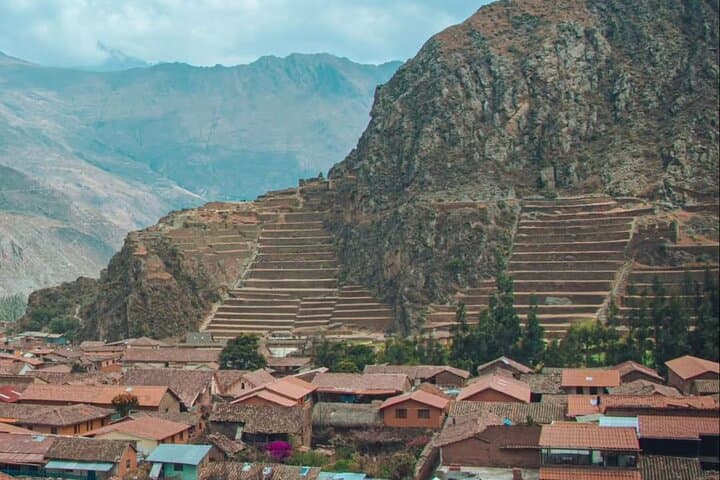
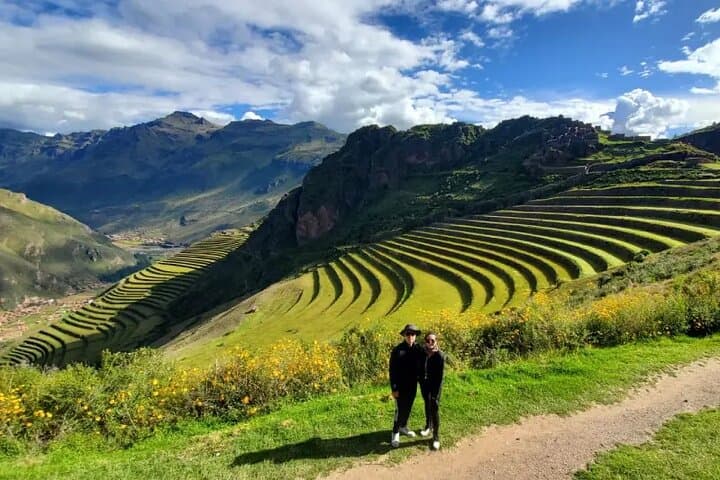
The day moves through Pisac’s dramatic terraces and aqueducts, where Inca engineering clings to the hillside, then eases into Urubamba for an Andean buffet under high blue skies. After lunch the ruins of Ollantaytambo rise like a carved rampart; stone blocks fit so precisely they still hold the memory of quarry and pulley. The route stops briefly in Chinchero to visit a textile center where traditional dyes and backstrap loom techniques keep Quechua craft alive.
Geology here is obvious: folded, uplifted Andean bedrock shaped by glacial and fluvial action, with deep, fertile alluvial soils that made the valley a granary for the Inca state. Culturally, the day pairs living communities — markets, weavers, smallholder fields — with monumental archaeology that illustrates pre-Columbian land management.
Practically, expect 2–3 short walks on uneven stone and dirt at 2,000–2,800 m altitude, daylight exposure, and public restroom stops in towns. Hydrate before you leave, wear sturdy shoes and layered clothing for sun and wind, and carry small bills for market purchases. Photography is rewarding; be respectful of markets and ritual sites. The tour is accessible for most fitness levels but allow time to acclimatize in Cusco the day before to keep the altitude from stealing the view.
easy.
9–10 hours.
Suitable for travelers who can handle several short walks and standing at altitude; minimal stamina required.
Pickups are typically between 7:00–8:00 a.m. in Cusco’s historic center with return around 7:00 p.m.; exact times are provided at booking.
Yes — admission to listed archaeological sites and an Andean buffet lunch in Urubamba are included in the itinerary.
The tour is rated easy and suitable for varied fitness levels, but short walks involve uneven terrain; travelers with cardiovascular issues should consult a doctor.
Yes — Pisac and Chinchero markets and cooperatives offer textiles and crafts; bring small bills and be prepared to negotiate politely.
The Sacred Valley was a vital agricultural and ceremonial zone for the Inca; extensive terraces and storage sites supported Cusco’s population and statecraft.
The highland soils and terraces are fragile — stick to marked pathways, minimize single-use plastics, and support certified textile cooperatives that pay artisans fairly.
Machupicchu Holiday operates guided outdoor trips and adventures with an emphasis on safety, stewardship, and memorable experiences.
A thin light creeps over Cusco as a minivan threads down the ribbed spine of the Andes and into the Sacred Valley — a broad, cultivated corridor where rivers hurry and terraces step like giant piano keys along steep slopes.
A thin light creeps over Cusco as a minivan threads down the ribbed spine of the Andes and into the Sacred Valley — a broad, cultivated corridor where rivers hurry and terraces step like giant piano keys along steep slopes.
The day moves through Pisac’s dramatic terraces and aqueducts, where Inca engineering clings to the hillside, then eases into Urubamba for an Andean buffet under high blue skies. After lunch the ruins of Ollantaytambo rise like a carved rampart; stone blocks fit so precisely they still hold the memory of quarry and pulley. The route stops briefly in Chinchero to visit a textile center where traditional dyes and backstrap loom techniques keep Quechua craft alive.
Geology here is obvious: folded, uplifted Andean bedrock shaped by glacial and fluvial action, with deep, fertile alluvial soils that made the valley a granary for the Inca state. Culturally, the day pairs living communities — markets, weavers, smallholder fields — with monumental archaeology that illustrates pre-Columbian land management.
Practically, expect 2–3 short walks on uneven stone and dirt at 2,000–2,800 m altitude, daylight exposure, and public restroom stops in towns. Hydrate before you leave, wear sturdy shoes and layered clothing for sun and wind, and carry small bills for market purchases. Photography is rewarding; be respectful of markets and ritual sites. The tour is accessible for most fitness levels but allow time to acclimatize in Cusco the day before to keep the altitude from stealing the view.