THE ADVENTURE COLLECTIVE® · Independent discovery and booking for outdoor travel

Spend a day tracing the Inca’s agricultural heartland—from alpaca farms and a hillside mirador to Pisac’s terraces and Ollantaytambo’s living Inca streets. This full-day loop blends archaeology, markets, and valley panoramas with practical guidance for high‑altitude travel.
Spend a day tracing the Inca’s agricultural heartland—from alpaca farms and a hillside mirador to Pisac’s terraces and Ollantaytambo’s living Inca streets. This full-day loop blends archaeology, markets, and valley panoramas with practical guidance for high‑altitude travel.
You step out of an air-conditioned van and the Andes open: high, dry light on stepped terraces, the Urubamba River threading green fields below, and stonework that still holds its original edges after five centuries.
Verified experiences and guided adventures in the surrounding area.
Operated by Inca Town Travel · Urubamba, Cusco
You step out of an air-conditioned van and the Andes open: high, dry light on stepped terraces, the Urubamba River threading green fields below, and stonework that still holds its original edges after five centuries.
The Sacred Valley was the agricultural backbone of the Inca Empire—broad floors of irrigated soil carved from steep slopes, clockwork terraces that stabilized fragile slopes and fed Cusco. Geologically it's a deep river valley cut into volcanic and sedimentary rock, with quick shifts between fertile floodplain and craggy, terraced hillsides. Culturally the valley mixes living Quechua traditions—textile weaving, highland markets—with monumental Inca sites like Pisac and Ollantaytambo, each showing classic ashlar masonry and carefully aligned agricultural corridors.
On a full-day circuit you’ll visit an alpaca farm to learn about camelids and dyeing techniques, pause at a mirador for a valley panorama, walk Pisac’s high terraces and tomb clusters, shop Pisac market stalls, eat a buffet in Urubamba, and finish in Ollantaytambo’s original Inca streets and fortress.
Practical side: expect 7–11 hours with multiple short hikes on uneven stone and terraces—elevation averages 2,800–3,200 m—so pace yourself, drink more than usual, and swap heavy packs for layered clothing. Comfortable walking shoes with grip, sun protection, and cash for market purchases will make the day smoother. Guides handle logistics and transport, but bring patience for narrow cobbled streets and occasional altitude lag. The route rewards curiosity: every terrace and alley has a story to read in stone and stitch.
moderate.
7–11 hours.
Moderate fitness recommended—able to walk on uneven stone for repeated 20–60 minute stretches and manage altitude.
The tour runs about 7–11 hours with several short to moderate walks: terrace exploration at Pisac, walking through Pisac market, and uphill approaches at Ollantaytambo—most walks are 20–60 minutes on uneven stone.
This listing notes admissions as not applicable; many tours either include entrance or advise you to buy tickets locally—confirm with the operator before travel.
Yes—Ollantaytambo is a primary departure point for trains to Aguas Calientes (Machu Picchu); allow extra time if you plan to connect same day.
A buffet lunch in Urubamba is included in this itinerary; bring snacks if you prefer specific dietary items or energy bars for the day.
The Sacred Valley was a key Inca agricultural and ceremonial region supplying Cusco; sites like Pisac and Ollantaytambo show advanced terrace farming and precisely cut stonework.
Increased tourism pressures local water use and trail erosion—stick to marked paths, avoid feeding wildlife, and buy from verified local artisans to support the economy responsibly.
Inca Town Travel operates guided outdoor trips and adventures with an emphasis on safety, stewardship, and memorable experiences.
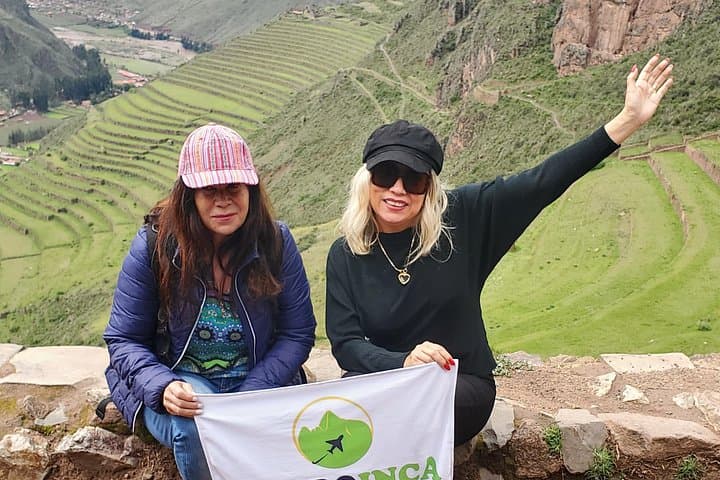
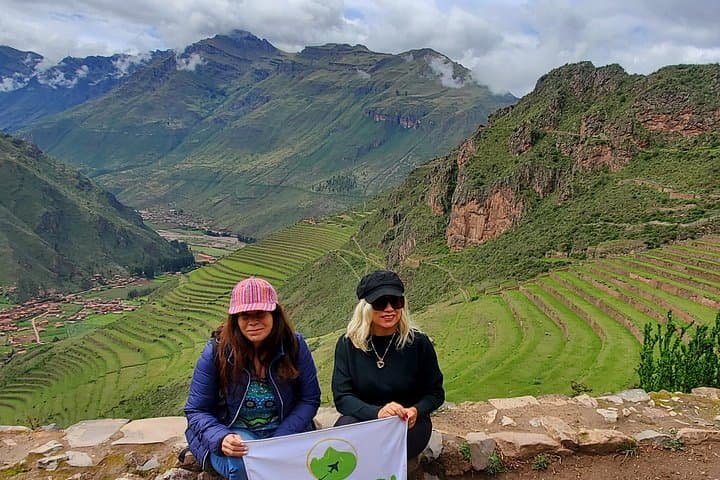

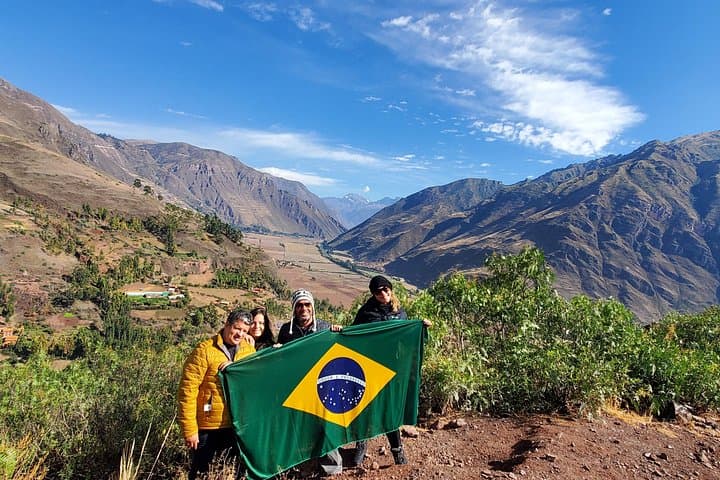
You step out of an air-conditioned van and the Andes open: high, dry light on stepped terraces, the Urubamba River threading green fields below, and stonework that still holds its original edges after five centuries.
You step out of an air-conditioned van and the Andes open: high, dry light on stepped terraces, the Urubamba River threading green fields below, and stonework that still holds its original edges after five centuries.
The Sacred Valley was the agricultural backbone of the Inca Empire—broad floors of irrigated soil carved from steep slopes, clockwork terraces that stabilized fragile slopes and fed Cusco. Geologically it's a deep river valley cut into volcanic and sedimentary rock, with quick shifts between fertile floodplain and craggy, terraced hillsides. Culturally the valley mixes living Quechua traditions—textile weaving, highland markets—with monumental Inca sites like Pisac and Ollantaytambo, each showing classic ashlar masonry and carefully aligned agricultural corridors.
On a full-day circuit you’ll visit an alpaca farm to learn about camelids and dyeing techniques, pause at a mirador for a valley panorama, walk Pisac’s high terraces and tomb clusters, shop Pisac market stalls, eat a buffet in Urubamba, and finish in Ollantaytambo’s original Inca streets and fortress.
Practical side: expect 7–11 hours with multiple short hikes on uneven stone and terraces—elevation averages 2,800–3,200 m—so pace yourself, drink more than usual, and swap heavy packs for layered clothing. Comfortable walking shoes with grip, sun protection, and cash for market purchases will make the day smoother. Guides handle logistics and transport, but bring patience for narrow cobbled streets and occasional altitude lag. The route rewards curiosity: every terrace and alley has a story to read in stone and stitch.