THE ADVENTURE COLLECTIVE® · Independent discovery and booking for outdoor travel

This full‑day Sacred Valley tour links Pisac, Moray, the Maras salt pans and Ollantaytambo into a single, long day of archeology, market culture and striking Andean landscapes. Expect terrace walks, saltworks mosaics and Inca irrigation still in use.
This full‑day Sacred Valley tour links Pisac, Moray, the Maras salt pans and Ollantaytambo into a single, long day of archeology, market culture and striking Andean landscapes. Expect terrace walks, saltworks mosaics and Inca irrigation still in use.
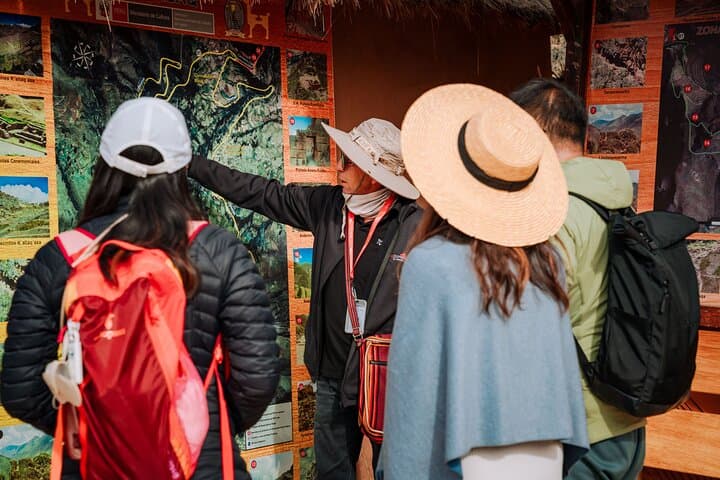
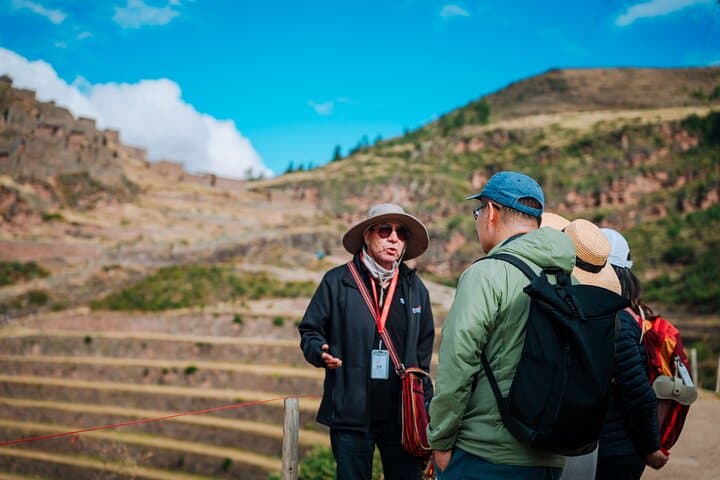
Morning light slices across the high valley as the minivan climbs out of Cusco; terraces unfurl like staircases cut into the earth and the air carries a dry, mineral tang. The guide drops the group in Pisac, where a market hums under the shadow of Inca terraces and a stone cemetery clings to the hillside. Each stop on this full-day circuit feels deliberate—the circular bowls of Moray that once tweaked microclimates, the lacework of salt pools at Maras, and the living streets of Ollantaytambo where water still runs through carved stone channels.
Verified experiences and guided adventures in the surrounding area.
Operated by Willka Travel · Cusco, Cusco
Morning light slices across the high valley as the minivan climbs out of Cusco; terraces unfurl like staircases cut into the earth and the air carries a dry, mineral tang. The guide drops the group in Pisac, where a market hums under the shadow of Inca terraces and a stone cemetery clings to the hillside. Each stop on this full-day circuit feels deliberate—the circular bowls of Moray that once tweaked microclimates, the lacework of salt pools at Maras, and the living streets of Ollantaytambo where water still runs through carved stone channels.
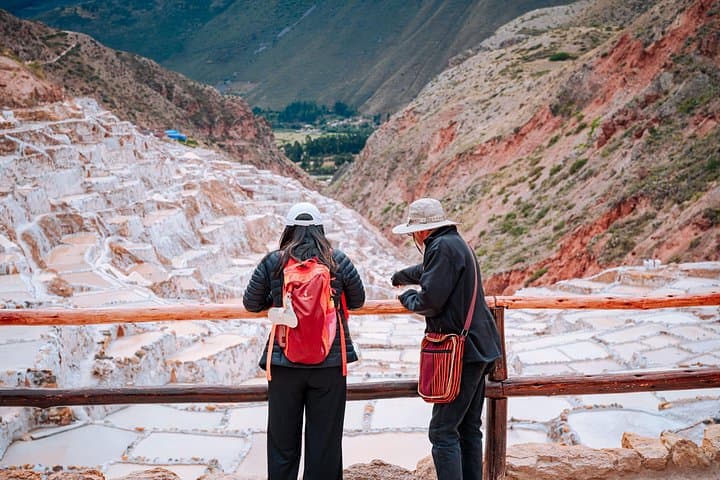
Geology here is readable: glacially sculpted valleys and volcanic bedrock shaped by uplift, then refined by Inca engineering. Moray’s concentric platforms are as much experiment as architecture—tests in temperature and soil that produced resilient Andean crops. Maras’ salt pans, fed by a saline spring, create a scintillating mosaic that has supported local communities since pre‑Hispanic and colonial eras.
Practically, expect a long day—roughly 11 hours with hotel pickup in Cusco, walking over uneven stone and short stair climbs. Altitude is real; take it slow the first morning and hydrate. Market stops offer handicrafts and snacks but bring small bills. Photography is generous: crisp, high‑contrast light in the mornings and late afternoons.
This tour blends archeology, living culture, and tactile landscapes—ideal for travelers who want a concentrated, outdoor primer on the Sacred Valley with the convenience of guided transport and a buffet lunch in Urubamba.
moderate.
10–11 hours.
Moderate fitness recommended—able to walk short steep sections and manage stairways at altitude.
Yes—pickup from central Cusco hotels is provided; specific pickup windows are usually between 6:30–7:00 am.
This tour includes transportation and guide services; archaeological site entrance fees may be separate—confirm with the operator when booking.
Yes, the itinerary commonly lets participants finish in Ollantaytambo around mid‑afternoon; arrange this with your guide in advance.
Take it easy the first day in Cusco, hydrate well, avoid heavy meals and alcohol before the excursion, and consider coca tea for mild relief.
Willka Travel operates guided outdoor trips and adventures with an emphasis on safety, stewardship, and memorable experiences.

Morning light slices across the high valley as the minivan climbs out of Cusco; terraces unfurl like staircases cut into the earth and the air carries a dry, mineral tang. The guide drops the group in Pisac, where a market hums under the shadow of Inca terraces and a stone cemetery clings to the hillside. Each stop on this full-day circuit feels deliberate—the circular bowls of Moray that once tweaked microclimates, the lacework of salt pools at Maras, and the living streets of Ollantaytambo where water still runs through carved stone channels.
Morning light slices across the high valley as the minivan climbs out of Cusco; terraces unfurl like staircases cut into the earth and the air carries a dry, mineral tang. The guide drops the group in Pisac, where a market hums under the shadow of Inca terraces and a stone cemetery clings to the hillside. Each stop on this full-day circuit feels deliberate—the circular bowls of Moray that once tweaked microclimates, the lacework of salt pools at Maras, and the living streets of Ollantaytambo where water still runs through carved stone channels.
Geology here is readable: glacially sculpted valleys and volcanic bedrock shaped by uplift, then refined by Inca engineering. Moray’s concentric platforms are as much experiment as architecture—tests in temperature and soil that produced resilient Andean crops. Maras’ salt pans, fed by a saline spring, create a scintillating mosaic that has supported local communities since pre‑Hispanic and colonial eras.
Practically, expect a long day—roughly 11 hours with hotel pickup in Cusco, walking over uneven stone and short stair climbs. Altitude is real; take it slow the first morning and hydrate. Market stops offer handicrafts and snacks but bring small bills. Photography is generous: crisp, high‑contrast light in the mornings and late afternoons.
This tour blends archeology, living culture, and tactile landscapes—ideal for travelers who want a concentrated, outdoor primer on the Sacred Valley with the convenience of guided transport and a buffet lunch in Urubamba.