THE ADVENTURE COLLECTIVE® · Independent discovery and booking for outdoor travel

Spend a day moving between living Inca sites in the Sacred Valley—Chinchero’s weavers, Moray’s agricultural bowls, and the salt pans of Maras—on a full‑day tour from Cusco. Expect high‑altitude vistas, uneven stone terraces and strong cultural encounters.
Spend a day moving between living Inca sites in the Sacred Valley—Chinchero’s weavers, Moray’s agricultural bowls, and the salt pans of Maras—on a full‑day tour from Cusco. Expect high‑altitude vistas, uneven stone terraces and strong cultural encounters.
You step out of an air‑conditioned van and the highland wind pushes cool clarity into the lungs—andes grass hisses at your boots and terraces fan across the valley like pages in a geological atlas. The Sacred Valley spreads below, a ribbon of green and stone between snow‑tipped peaks, and the day’s route threads from Chinchero’s looms to the concentric bowls of Moray and the glittering salt pans at Maras.
Verified experiences and guided adventures in the surrounding area.
Operated by OPERTOURS PERÚ · Cusco, Cusco Region
You step out of an air‑conditioned van and the highland wind pushes cool clarity into the lungs—andes grass hisses at your boots and terraces fan across the valley like pages in a geological atlas. The Sacred Valley spreads below, a ribbon of green and stone between snow‑tipped peaks, and the day’s route threads from Chinchero’s looms to the concentric bowls of Moray and the glittering salt pans at Maras.
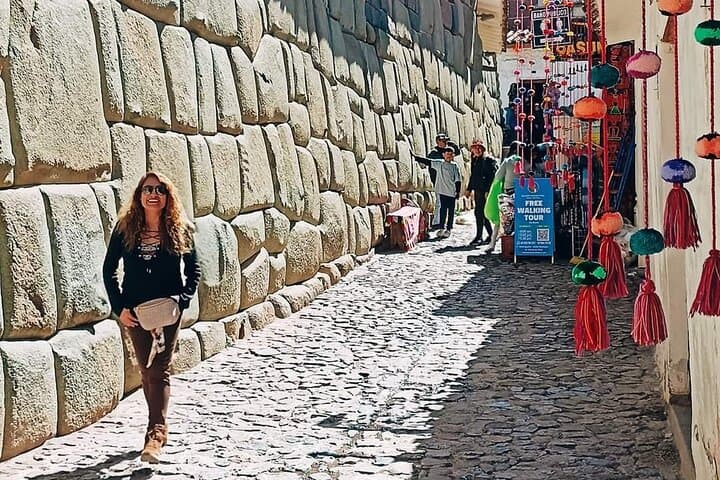
These sites map Inca mastery: Chinchero’s textile tradition continues techniques that are centuries old, Moray’s amphitheaterous depressions are thought to be agricultural experiment terraces with microclimates, and Maras’ salt pans exploit a natural saline spring with an evaporation system used since pre‑Inca times. Geologically the valley follows the Urubamba River, carved into fertile alluvial benches at elevations between roughly 2,800–3,700 m, so expect thin air and dramatic light. Much of the walking is short but on uneven stone steps and cobbled paths rather than long summit hikes.
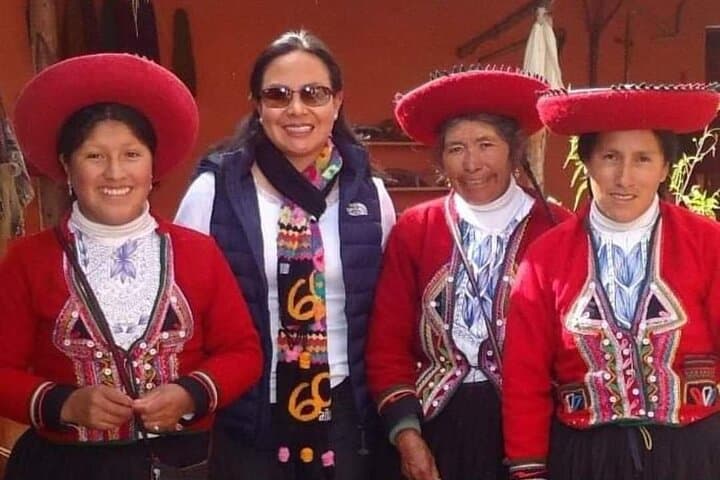
Culturally, markets and workshops are still active living economies; vendors sell woven goods and local corn varieties. Conservation efforts limit access at fragile sites like Maras, so photographers and walkers should stay on designated paths.
Practical guidance: allow 24–48 hours in Cusco to acclimatize, carry water and sun protection, and wear sturdy footwear with good traction for terraces and steps. Bring small change for markets and entrances, and pace yourself—altitude, not distance, dictates the day’s effort. This full‑day loop is vivid, educational, and accessible for moderately fit travelers prepared for high‑altitude conditions.
moderate.
8 hours.
Moderately fit: able to walk short cobbled paths and climb steps at altitude without prolonged exertion
Admission to some attractions may not be included. Confirm with the operator before booking and bring local currency for any site fees or optional visits.
The Sacred Valley ranges from ~2,800–3,700 m; mild altitude symptoms are common—allow time in Cusco to acclimatize, hydrate, and avoid heavy meals or alcohol beforehand.
Vehicles and some viewpoints may accommodate wheelchair users, but archaeological sites have uneven paths and terraces that can be difficult; check specifics with the operator about accessibility options.
Guide languages vary by operator; request language preferences when booking to ensure an English or Spanish guide as needed.
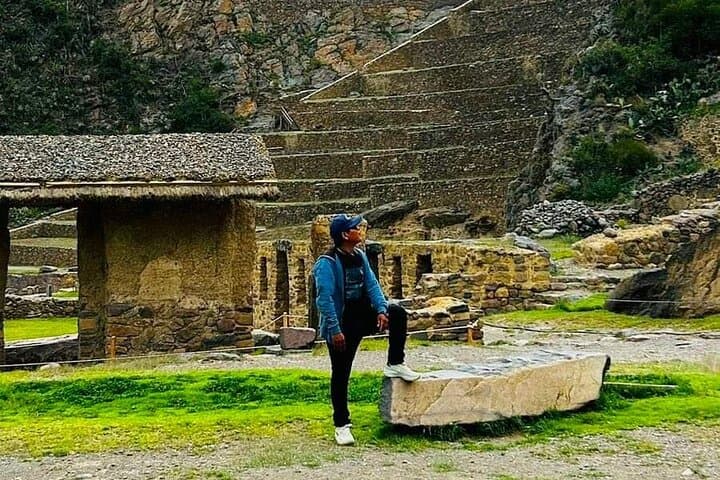
The Sacred Valley was a productive agricultural and administrative corridor for the Incas; sites like Moray and Ollantaytambo reveal sophisticated terrace farming and water management.
Visitor pressure and erosion threaten terraces and salt pans; stick to marked paths, avoid taking salt or artifacts, and buy local goods to support community stewardship.
OPERTOURS PERÚ operates guided outdoor trips and adventures with an emphasis on safety, stewardship, and memorable experiences.
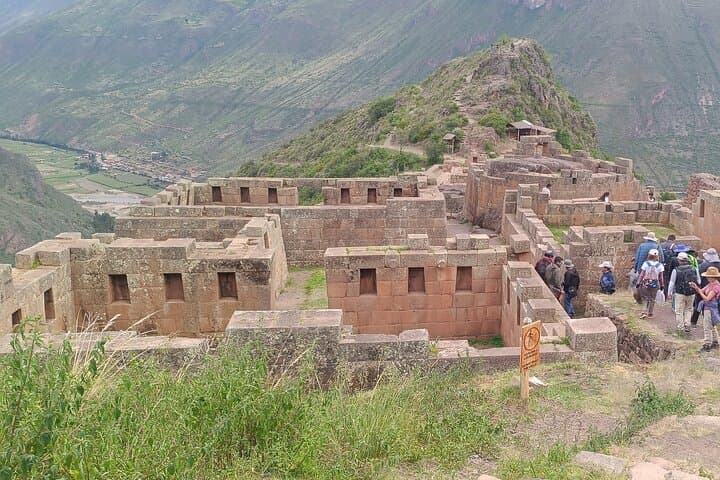
You step out of an air‑conditioned van and the highland wind pushes cool clarity into the lungs—andes grass hisses at your boots and terraces fan across the valley like pages in a geological atlas. The Sacred Valley spreads below, a ribbon of green and stone between snow‑tipped peaks, and the day’s route threads from Chinchero’s looms to the concentric bowls of Moray and the glittering salt pans at Maras.
You step out of an air‑conditioned van and the highland wind pushes cool clarity into the lungs—andes grass hisses at your boots and terraces fan across the valley like pages in a geological atlas. The Sacred Valley spreads below, a ribbon of green and stone between snow‑tipped peaks, and the day’s route threads from Chinchero’s looms to the concentric bowls of Moray and the glittering salt pans at Maras.
These sites map Inca mastery: Chinchero’s textile tradition continues techniques that are centuries old, Moray’s amphitheaterous depressions are thought to be agricultural experiment terraces with microclimates, and Maras’ salt pans exploit a natural saline spring with an evaporation system used since pre‑Inca times. Geologically the valley follows the Urubamba River, carved into fertile alluvial benches at elevations between roughly 2,800–3,700 m, so expect thin air and dramatic light. Much of the walking is short but on uneven stone steps and cobbled paths rather than long summit hikes.
Culturally, markets and workshops are still active living economies; vendors sell woven goods and local corn varieties. Conservation efforts limit access at fragile sites like Maras, so photographers and walkers should stay on designated paths.
Practical guidance: allow 24–48 hours in Cusco to acclimatize, carry water and sun protection, and wear sturdy footwear with good traction for terraces and steps. Bring small change for markets and entrances, and pace yourself—altitude, not distance, dictates the day’s effort. This full‑day loop is vivid, educational, and accessible for moderately fit travelers prepared for high‑altitude conditions.