THE ADVENTURE COLLECTIVE® · Independent discovery and booking for outdoor travel

Spend a full day moving from Inca agricultural labs to salt pans and living textile traditions in the Sacred Valley. This private tour links Moray, Maras, an alpaca farm and Ollantaytambo with practical tips for altitude, timing and gear.
Spend a full day moving from Inca agricultural labs to salt pans and living textile traditions in the Sacred Valley. This private tour links Moray, Maras, an alpaca farm and Ollantaytambo with practical tips for altitude, timing and gear.
You step out of the van into thin, cool air and a wide valley flanked by serrated Andean ridgelines. Farmers haul salt from sun-bright pans, alpacas graze on high puna grass, and the cobbled streets of Ollantaytambo hum with centuries of daily life — this is the Sacred Valley lived at human scale.
Verified experiences and guided adventures in the surrounding area.
Operated by Kaypi Peru tours · Ollantaytambo, Cusco
You step out of the van into thin, cool air and a wide valley flanked by serrated Andean ridgelines. Farmers haul salt from sun-bright pans, alpacas graze on high puna grass, and the cobbled streets of Ollantaytambo hum with centuries of daily life — this is the Sacred Valley lived at human scale.
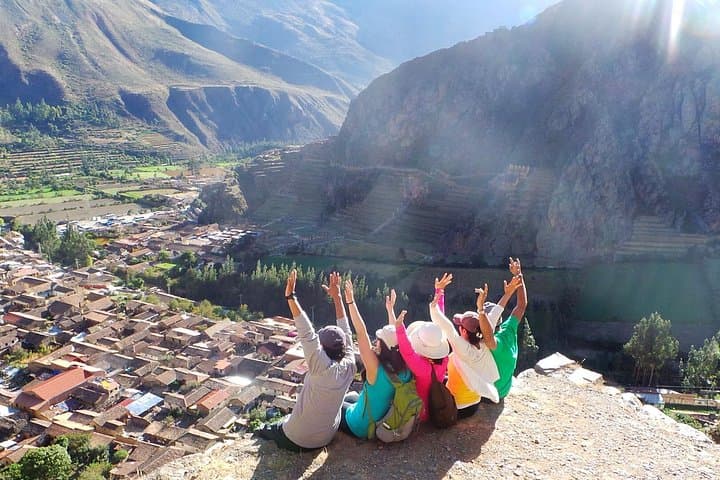
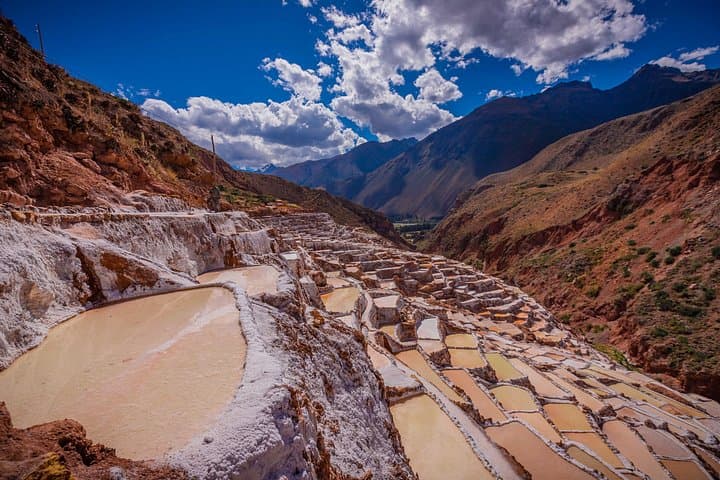
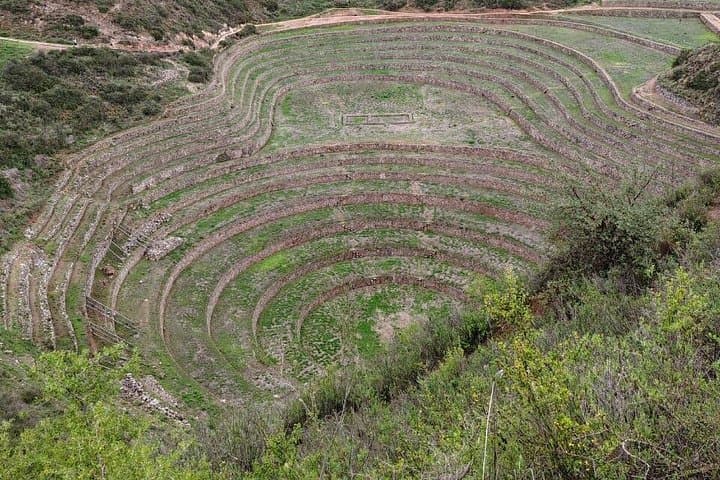
The route threads together Inca ingenuity and living tradition. Moray’s concentric terraces read like a geological clock: carved earth that creates microclimates once used for crop experimentation. At Maras, stepped salt pans sparkle like a man-made river stacked on the hillside, a salt-harvesting practice that predates the Spanish. In Ollantaytambo, massive stonework and steep agricultural terraces reveal Inca urban planning; cobblestone alleys remain inhabited much as they were in pre-Columbian times. A visit to an alpaca farm shows textile production from fleece to dyed yarn, linking natural fiber, traditional dyes and contemporary craft markets.
Practical guidance: this is an 8–9 hour private day tour best accessed from Cusco; expect moderate walking on uneven surfaces, sun exposure and altitude near 2,800–3,000 m. Bring layered clothing for sun and wind, sunscreen, water, and sturdy shoes for terraces and cobbles. Plan the day early to avoid midday crowds at Moray and Maras and allow time in Ollantaytambo’s fortress to climb terraces for sweeping valley views. Respect local vendors and ask before photographing people; purchases support village economies. With basic acclimatization and sensible gear, the Sacred Valley delivers a compact, culturally rich day of highland landscapes and living Inca heritage.
moderate.
8–9 hours.
Moderate fitness; able to walk on uneven terrain and climb short steep sections repeatedly.
The tour is approximately 8–9 hours and typically departs from Cusco with hotel pickup and drop-off included.
It’s rated moderate: expect walking on uneven terraces, stairs and cobblestones; basic mobility and acclimatization are recommended.
Admissions for primary sites listed (Moray, Maras, Ollantaytambo) are typically included in this full-day private tour but confirm at booking.
Yes — the Andean textile center and village markets sell handwoven items; buying directly from cooperatives supports local families and traditional techniques.
The Sacred Valley was a core agricultural and spiritual region for the Inca, who engineered terraces, irrigation and storage to control microclimates and food production.
The highland ecosystems and artisanal salt pans are ecologically sensitive; stick to paths, avoid leaving litter, and support community-run projects that reinvest tourism income locally.
Kaypi Peru tours operates guided outdoor trips and adventures with an emphasis on safety, stewardship, and memorable experiences.
You step out of the van into thin, cool air and a wide valley flanked by serrated Andean ridgelines. Farmers haul salt from sun-bright pans, alpacas graze on high puna grass, and the cobbled streets of Ollantaytambo hum with centuries of daily life — this is the Sacred Valley lived at human scale.
You step out of the van into thin, cool air and a wide valley flanked by serrated Andean ridgelines. Farmers haul salt from sun-bright pans, alpacas graze on high puna grass, and the cobbled streets of Ollantaytambo hum with centuries of daily life — this is the Sacred Valley lived at human scale.
The route threads together Inca ingenuity and living tradition. Moray’s concentric terraces read like a geological clock: carved earth that creates microclimates once used for crop experimentation. At Maras, stepped salt pans sparkle like a man-made river stacked on the hillside, a salt-harvesting practice that predates the Spanish. In Ollantaytambo, massive stonework and steep agricultural terraces reveal Inca urban planning; cobblestone alleys remain inhabited much as they were in pre-Columbian times. A visit to an alpaca farm shows textile production from fleece to dyed yarn, linking natural fiber, traditional dyes and contemporary craft markets.
Practical guidance: this is an 8–9 hour private day tour best accessed from Cusco; expect moderate walking on uneven surfaces, sun exposure and altitude near 2,800–3,000 m. Bring layered clothing for sun and wind, sunscreen, water, and sturdy shoes for terraces and cobbles. Plan the day early to avoid midday crowds at Moray and Maras and allow time in Ollantaytambo’s fortress to climb terraces for sweeping valley views. Respect local vendors and ask before photographing people; purchases support village economies. With basic acclimatization and sensible gear, the Sacred Valley delivers a compact, culturally rich day of highland landscapes and living Inca heritage.