THE ADVENTURE COLLECTIVE® · Independent discovery and booking for outdoor travel

Immerse yourself in the Andean highlands on a full-day Sacred Valley tour from Cusco. Visit Pisac, Chinchero, Urubamba and Ollantaytambo, enjoy a buffet lunch, and position yourself perfectly for the train to Machu Picchu.
Immerse yourself in the Andean highlands on a full-day Sacred Valley tour from Cusco. Visit Pisac, Chinchero, Urubamba and Ollantaytambo, enjoy a buffet lunch, and position yourself perfectly for the train to Machu Picchu.
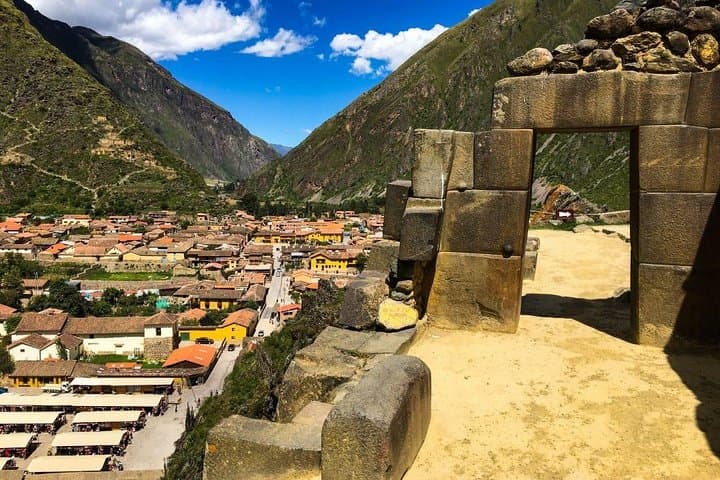
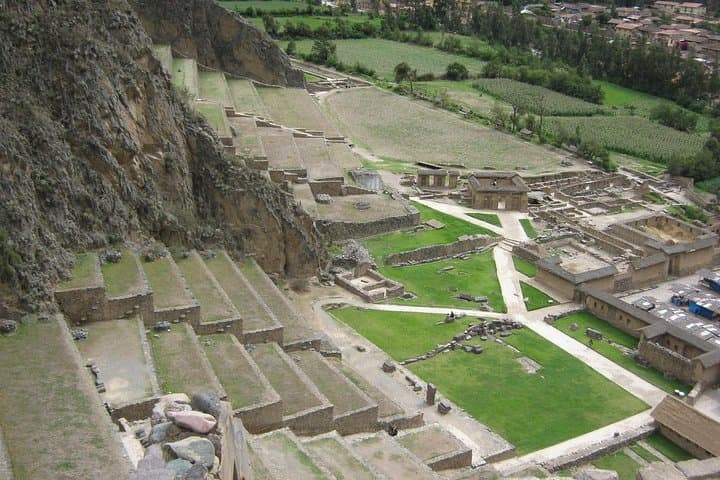
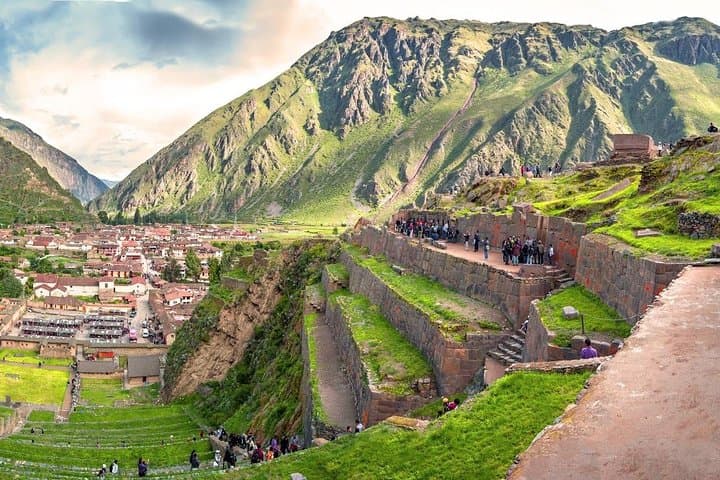
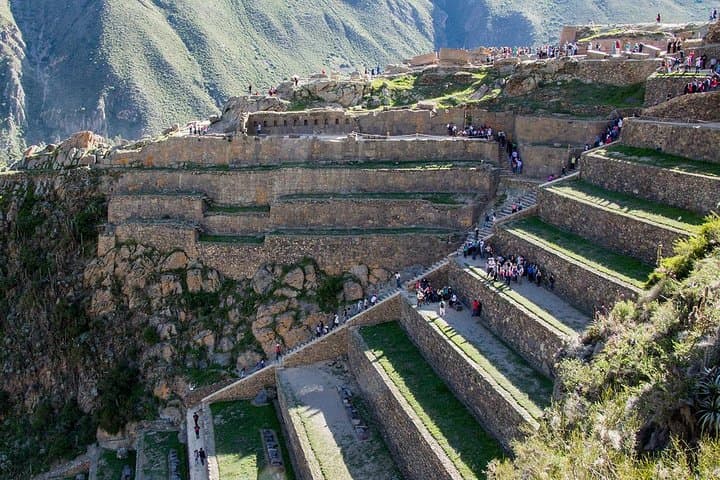
You step out of an air-conditioned van and the sky above the high Andes opens wide — cool, thin air pressing at your lungs as terraced hills slope toward the river. The Sacred Valley of the Incas reveals itself in steps: market stalls in Pisac, agricultural bands cut into the earth, and the stone geometry of Ollantaytambo like a carved stage where history still performs.
Verified experiences and guided adventures in the surrounding area.
Operated by Chullos Travel Peru · Ollantaytambo, Cusco
You step out of an air-conditioned van and the sky above the high Andes opens wide — cool, thin air pressing at your lungs as terraced hills slope toward the river. The Sacred Valley of the Incas reveals itself in steps: market stalls in Pisac, agricultural bands cut into the earth, and the stone geometry of Ollantaytambo like a carved stage where history still performs.
This corridor of the Urubamba River held the agricultural heart of the Inca Empire; engineers shaped soils and microclimates into productive plots. The valley’s geology — folded Andean bedrock and alluvial terraces — creates dramatic stage lighting: morning mist in the river bottom, sharp sun on the ridges. Chinchero preserves colonial and pre-Inca layers, while Pisaq and Ollantaytambo expose funerary terraces, temples, and defensive works used for centuries.
Culturally the valley remains vibrant: Quechua speakers run morning markets, weavers dye wool with local plant and mineral pigments, and farmers still plant by traditional calendars. Many travelers use a full-day tour to acclimatize before heading to Ollantaytambo’s train to Aguas Calientes for Machu Picchu.
Practical guidance: expect 8–10 hours, several short walks on uneven stone and high elevation between 2,800–3,400 m. Bring water, sun protection, layered clothing for sun and sudden showers, and small bills for local artisan markets and any site admissions not included. Plan to move deliberately — the valley rewards those who slow down and read its stones and markets carefully.
moderate.
10 hours.
Reasonable fitness for short uphill and downhill walks at altitude; be comfortable walking on uneven stone and steps.
Tour inclusions vary; this group tour covers lunch and transport, but some site entry fees may not be included — confirm with the operator beforehand and carry local currency.
The tour is suitable for most fitness levels, but altitude can affect anyone; rest in Cusco beforehand, stay hydrated, avoid alcohol, and consider medication after consulting a doctor.
Yes — many travelers end the tour in Ollantaytambo to connect with trains to Aguas Calientes; let the operator know your plan when booking.
Most buffet lunches in the valley offer vegetarian options; notify the operator of restrictions ahead of time to ensure suitable meals.
The Sacred Valley was the Inca agricultural backbone and contained experimental terrace agriculture and imperial estates tied to Cusco’s political center.
High-Andean ecosystems are fragile; stick to marked paths, avoid single-use plastics, and support local guides and community-run markets.
Chullos Travel Peru operates guided outdoor trips and adventures with an emphasis on safety, stewardship, and memorable experiences.
You step out of an air-conditioned van and the sky above the high Andes opens wide — cool, thin air pressing at your lungs as terraced hills slope toward the river. The Sacred Valley of the Incas reveals itself in steps: market stalls in Pisac, agricultural bands cut into the earth, and the stone geometry of Ollantaytambo like a carved stage where history still performs.
You step out of an air-conditioned van and the sky above the high Andes opens wide — cool, thin air pressing at your lungs as terraced hills slope toward the river. The Sacred Valley of the Incas reveals itself in steps: market stalls in Pisac, agricultural bands cut into the earth, and the stone geometry of Ollantaytambo like a carved stage where history still performs.
This corridor of the Urubamba River held the agricultural heart of the Inca Empire; engineers shaped soils and microclimates into productive plots. The valley’s geology — folded Andean bedrock and alluvial terraces — creates dramatic stage lighting: morning mist in the river bottom, sharp sun on the ridges. Chinchero preserves colonial and pre-Inca layers, while Pisaq and Ollantaytambo expose funerary terraces, temples, and defensive works used for centuries.
Culturally the valley remains vibrant: Quechua speakers run morning markets, weavers dye wool with local plant and mineral pigments, and farmers still plant by traditional calendars. Many travelers use a full-day tour to acclimatize before heading to Ollantaytambo’s train to Aguas Calientes for Machu Picchu.
Practical guidance: expect 8–10 hours, several short walks on uneven stone and high elevation between 2,800–3,400 m. Bring water, sun protection, layered clothing for sun and sudden showers, and small bills for local artisan markets and any site admissions not included. Plan to move deliberately — the valley rewards those who slow down and read its stones and markets carefully.