THE ADVENTURE COLLECTIVE® · Independent discovery and booking for outdoor travel

A compact, full-day route through the Sacred Valley that pairs Pisac’s terraces, Urubamba’s market lunch, Ollantaytambo’s fortress and Chincheros’ colonial-Inca church. Expect easy-to-moderate walking, striking Andean views and close cultural exchange.
A compact, full-day route through the Sacred Valley that pairs Pisac’s terraces, Urubamba’s market lunch, Ollantaytambo’s fortress and Chincheros’ colonial-Inca church. Expect easy-to-moderate walking, striking Andean views and close cultural exchange.
You step out of a Cusco morning into thin, high air and the road that threads the Urubamba River—fields of ochre terraces slope toward distant snow-capped ridges while local vendors set out textiles and fresh corn. The drive to the Sacred Valley takes you from colonial streets to highland farms, a quick geography lesson in stone and crop.
Verified experiences and guided adventures in the surrounding area.
Operated by Inca Lake · Cusco, Cusco Region
You step out of a Cusco morning into thin, high air and the road that threads the Urubamba River—fields of ochre terraces slope toward distant snow-capped ridges while local vendors set out textiles and fresh corn. The drive to the Sacred Valley takes you from colonial streets to highland farms, a quick geography lesson in stone and crop.
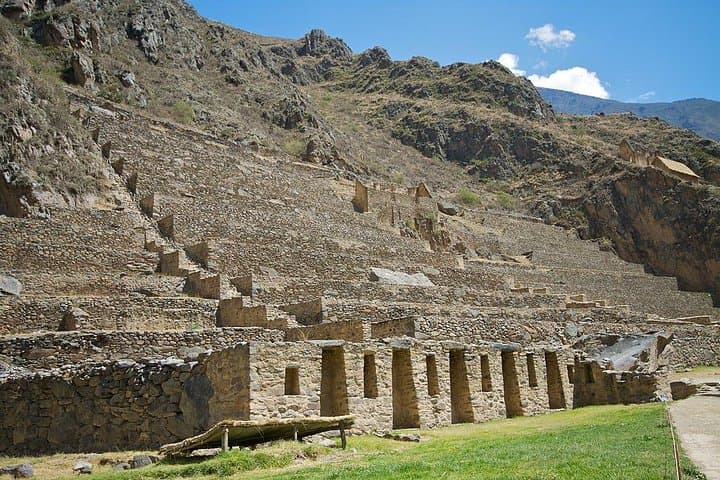
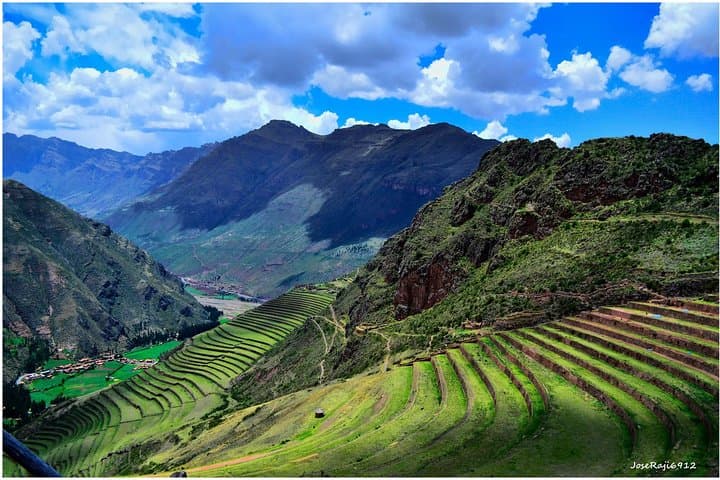
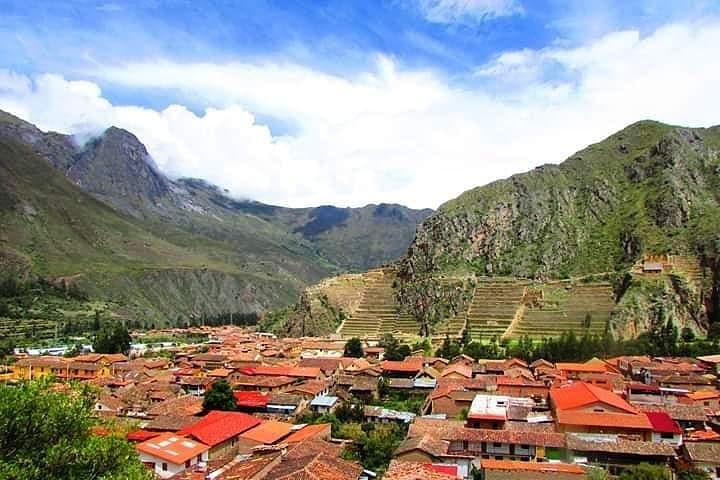
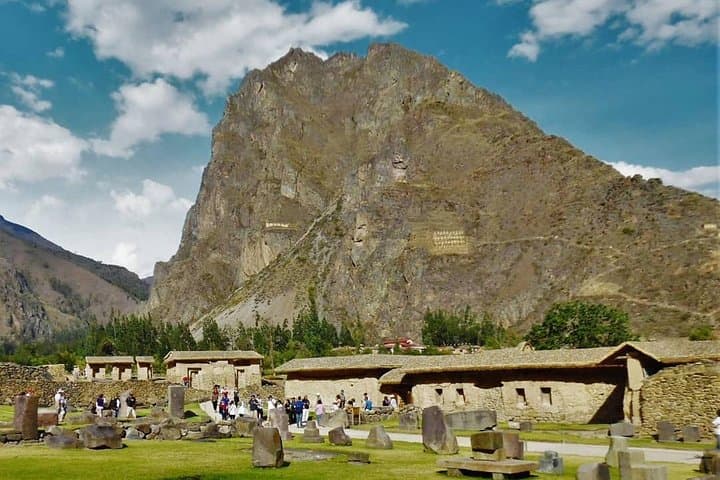
The Sacred Valley was the agricultural heart of the Inca empire; terraces at Pisac and the fortress at Ollantaytambo reveal engineering responses to steep slopes and variable microclimates. You'll see moraine-tilled fields, Inca stonework that resists centuries of rain and earthquakes, and a colonial church in Chincheros built over Inca foundations—evidence of layered history and cultural fusion.
Expect busy market scenes where artisans sell alpaca and woven belts, a buffet lunch in Urubamba featuring Andean staples, and compact archaeological sites where short climbs lead to wide views. Terrain is mostly paved roads and short stone stairways; some uphill walking at Pisac and Ollantaytambo is required but nothing technical.
Practical notes: acclimatize in Cusco the day before, drink water, and bring layers for sun, wind and occasional highland drizzle. Hotel pickup runs early; plan for an eight-hour day that returns in the evening. Respect local customs at markets—ask before photographing people—and carry small bills for purchases. This is an accessible day of history, hands-on culture and landscape that tells the agricultural story of the Andes without demanding mountaineering skills.
moderate.
7–8 hours.
Moderate fitness: able to walk up short steep stone stairways and stand for guided explanations
Some sites may require separate entrance tickets; confirm with your operator—the tour typically handles logistics but not always special museum tickets.
The buffet in Urubamba offers local staples and can often accommodate common needs—notify the operator in advance for vegetarian or allergy requests.
Yes; the itinerary includes stops at traditional markets in Pisac and Chincheros with time to browse and buy, though time is limited.
Pickup usually begins between 7:40–8:30 a.m.; exact time is confirmed after booking and depends on your hotel location.
The valley formed the backbone of Inca agriculture—engineered terraces and irrigation concentrated crop diversity and supported population centers.
Visitor pressure can erode trails and fragile agricultural terraces; stick to paths, avoid removing artifacts, and support local co-ops to benefit communities.
Inca Lake operates guided outdoor trips and adventures with an emphasis on safety, stewardship, and memorable experiences.
You step out of a Cusco morning into thin, high air and the road that threads the Urubamba River—fields of ochre terraces slope toward distant snow-capped ridges while local vendors set out textiles and fresh corn. The drive to the Sacred Valley takes you from colonial streets to highland farms, a quick geography lesson in stone and crop.
You step out of a Cusco morning into thin, high air and the road that threads the Urubamba River—fields of ochre terraces slope toward distant snow-capped ridges while local vendors set out textiles and fresh corn. The drive to the Sacred Valley takes you from colonial streets to highland farms, a quick geography lesson in stone and crop.
The Sacred Valley was the agricultural heart of the Inca empire; terraces at Pisac and the fortress at Ollantaytambo reveal engineering responses to steep slopes and variable microclimates. You'll see moraine-tilled fields, Inca stonework that resists centuries of rain and earthquakes, and a colonial church in Chincheros built over Inca foundations—evidence of layered history and cultural fusion.
Expect busy market scenes where artisans sell alpaca and woven belts, a buffet lunch in Urubamba featuring Andean staples, and compact archaeological sites where short climbs lead to wide views. Terrain is mostly paved roads and short stone stairways; some uphill walking at Pisac and Ollantaytambo is required but nothing technical.
Practical notes: acclimatize in Cusco the day before, drink water, and bring layers for sun, wind and occasional highland drizzle. Hotel pickup runs early; plan for an eight-hour day that returns in the evening. Respect local customs at markets—ask before photographing people—and carry small bills for purchases. This is an accessible day of history, hands-on culture and landscape that tells the agricultural story of the Andes without demanding mountaineering skills.