THE ADVENTURE COLLECTIVE® · Independent discovery and booking for outdoor travel

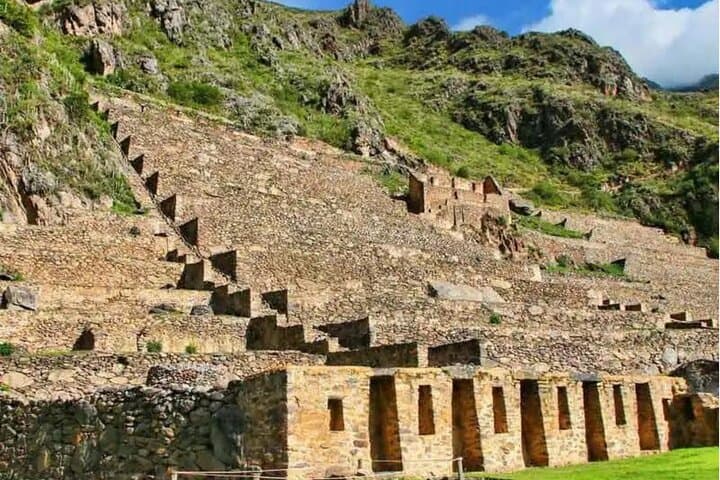
Spend a full day tracing Inca ingenuity across the Sacred Valley—from the concentric test-terraces of Moray to the glittering salt pans of Maras and the fortress terraces of Ollantaytambo. This guided route mixes geology, agriculture, and living Andean culture with plenty of photo stops.
Spend a full day tracing Inca ingenuity across the Sacred Valley—from the concentric test-terraces of Moray to the glittering salt pans of Maras and the fortress terraces of Ollantaytambo. This guided route mixes geology, agriculture, and living Andean culture with plenty of photo stops.
Before the bus settles into its steady hum you see the valley open like a set of layered maps: terraced fields climbing sun-burned slopes, a silver thread of river, and the rust-streaked Andes slicing the horizon. The day peels through villages—Chinchero’s woven colors, the impossible concentric bowls of Moray, the glinting salt pans of Maras—each stop a chapter of the valley's long story.
Verified experiences and guided adventures in the surrounding area.
Operated by Andean Trekking Peru · Urubamba, Cusco Region
Before the bus settles into its steady hum you see the valley open like a set of layered maps: terraced fields climbing sun-burned slopes, a silver thread of river, and the rust-streaked Andes slicing the horizon. The day peels through villages—Chinchero’s woven colors, the impossible concentric bowls of Moray, the glinting salt pans of Maras—each stop a chapter of the valley's long story.
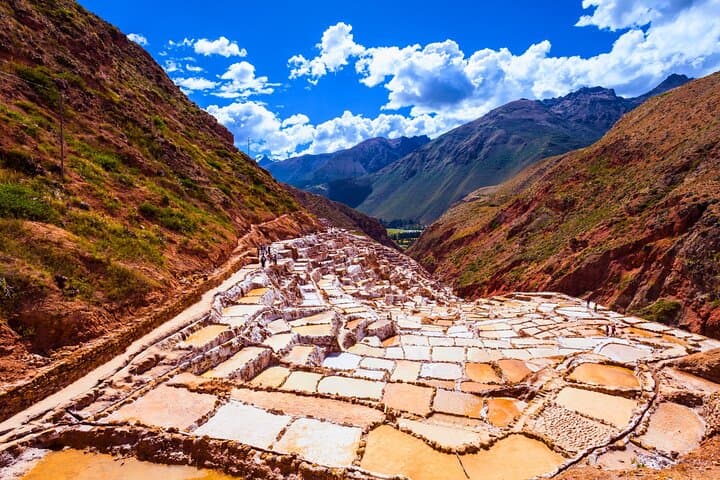
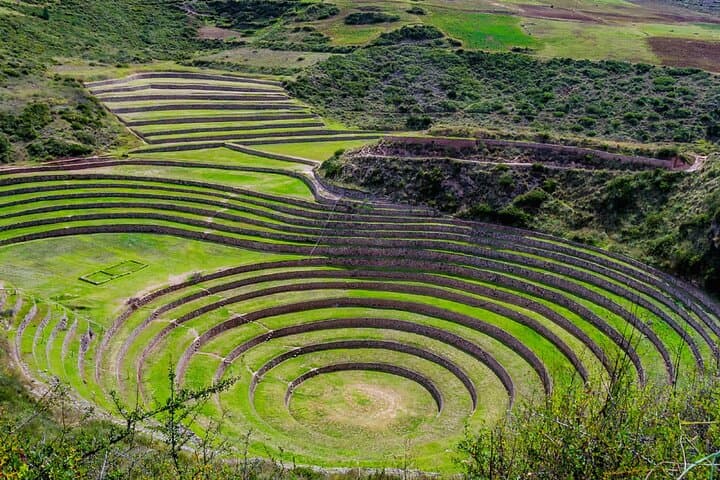
This landscape is shaped by uplifted limestone and volcanic soils, carved by glacial action and refined by centuries of Andean agriculture. Moray’s circular terraces are a living laboratory—microclimates stacked by engineering that gave the Incas a testing ground for crops at varying altitudes. Maras’ salt pans, fed by a natural subterranean spring, show pre-Columbian resource management still used by local families.
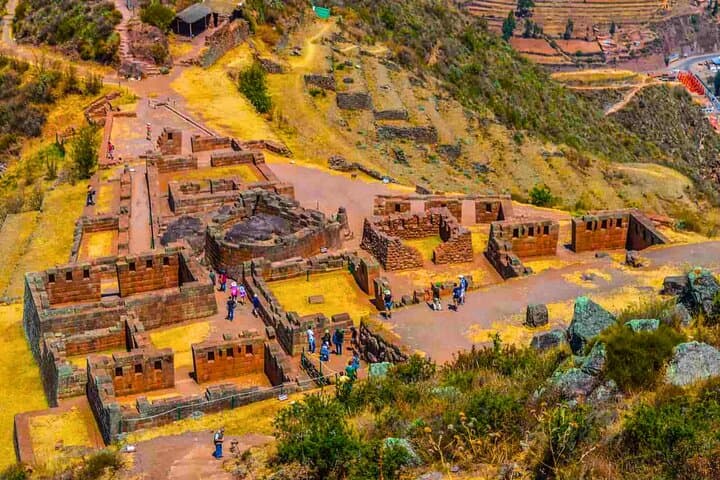
Culturally, the valley vibrates with Quechua traditions: women dyeing wool with natural pigments, market stalls trading corn, and stonework that fits like puzzle pieces. Photography here rewards patience: terraces, staircases, and the sweep of Urubamba framed by jagged peaks.
Practical guidance: this is a long, high-altitude day—expect lots of short walks, stone steps and intermittent elevation changes. Bring layers for sun and wind, sunscreen, and a water bottle you can refill. Carry small bills for market purchases and tips. Allow time to acclimatize in Cusco before the tour, and wear sturdy shoes for uneven surfaces. Guides handle logistics and local context; your job is to move deliberately, hydrate, and let the valley’s slow, human scale register between each stop.
moderate.
11 hours.
Light to moderate fitness—able to walk short distances on uneven stone steps repeatedly; be prepared for altitude.
Most organized tours include transport and guide services, but check the provider—some entrance fees are paid locally or included in the tour price.
Yes—routes are suitable for a wide range of ages, though the day is long and involves stairs; adjust expectations for mobility and altitude tolerance.
Expect short to moderate walks at each site—up to an hour of walking spread across the day, mostly on terraces and village streets.
The tour includes a traditional lunch in Urubamba; bring snacks and cash for extra purchases or market items.
The valley was a core agricultural and administrative region for the Incas; Moray functioned as an experimental station to acclimate crops across microclimates.
Visitor impact is managed locally—stay on designated paths, avoid touching fragile stonework, and support community-run cooperatives to keep traditions and landscapes resilient.
Andean Trekking Peru operates guided outdoor trips and adventures with an emphasis on safety, stewardship, and memorable experiences.
Before the bus settles into its steady hum you see the valley open like a set of layered maps: terraced fields climbing sun-burned slopes, a silver thread of river, and the rust-streaked Andes slicing the horizon. The day peels through villages—Chinchero’s woven colors, the impossible concentric bowls of Moray, the glinting salt pans of Maras—each stop a chapter of the valley's long story.
Before the bus settles into its steady hum you see the valley open like a set of layered maps: terraced fields climbing sun-burned slopes, a silver thread of river, and the rust-streaked Andes slicing the horizon. The day peels through villages—Chinchero’s woven colors, the impossible concentric bowls of Moray, the glinting salt pans of Maras—each stop a chapter of the valley's long story.
This landscape is shaped by uplifted limestone and volcanic soils, carved by glacial action and refined by centuries of Andean agriculture. Moray’s circular terraces are a living laboratory—microclimates stacked by engineering that gave the Incas a testing ground for crops at varying altitudes. Maras’ salt pans, fed by a natural subterranean spring, show pre-Columbian resource management still used by local families.
Culturally, the valley vibrates with Quechua traditions: women dyeing wool with natural pigments, market stalls trading corn, and stonework that fits like puzzle pieces. Photography here rewards patience: terraces, staircases, and the sweep of Urubamba framed by jagged peaks.
Practical guidance: this is a long, high-altitude day—expect lots of short walks, stone steps and intermittent elevation changes. Bring layers for sun and wind, sunscreen, and a water bottle you can refill. Carry small bills for market purchases and tips. Allow time to acclimatize in Cusco before the tour, and wear sturdy shoes for uneven surfaces. Guides handle logistics and local context; your job is to move deliberately, hydrate, and let the valley’s slow, human scale register between each stop.