THE ADVENTURE COLLECTIVE® · Independent discovery and booking for outdoor travel

A full-day loop from Cusco through Chinchero, Moray, the Maras salt pans, Ollantaytambo and Pisac. Expect Inca terraces, salt ponds and a riverside buffet in Urubamba — all at high Andean altitude.
A full-day loop from Cusco through Chinchero, Moray, the Maras salt pans, Ollantaytambo and Pisac. Expect Inca terraces, salt ponds and a riverside buffet in Urubamba — all at high Andean altitude.
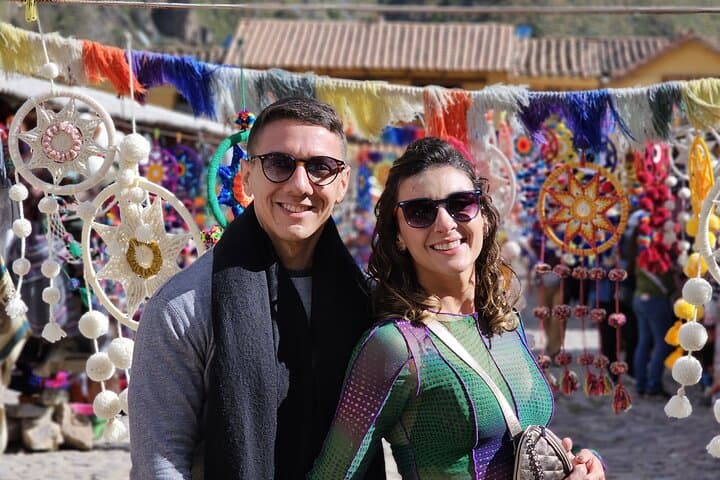
You step out of an air-conditioned van and the high Andes take over: thin, dry air, terraced slopes slicing the skyline and a river that seems to push the valley forward. This full-day Sacred Valley loop threads Chinchero’s textile stalls, the concentric amphitheater of Moray, the glittering salt pans of Maras, the living Inca streets of Ollantaytambo and the high-crest ruins above Pisac.
Verified experiences and guided adventures in the surrounding area.
Operated by FRONTERA EXPLORER S.A.C. · Cusco, Cusco
You step out of an air-conditioned van and the high Andes take over: thin, dry air, terraced slopes slicing the skyline and a river that seems to push the valley forward. This full-day Sacred Valley loop threads Chinchero’s textile stalls, the concentric amphitheater of Moray, the glittering salt pans of Maras, the living Inca streets of Ollantaytambo and the high-crest ruins above Pisac.
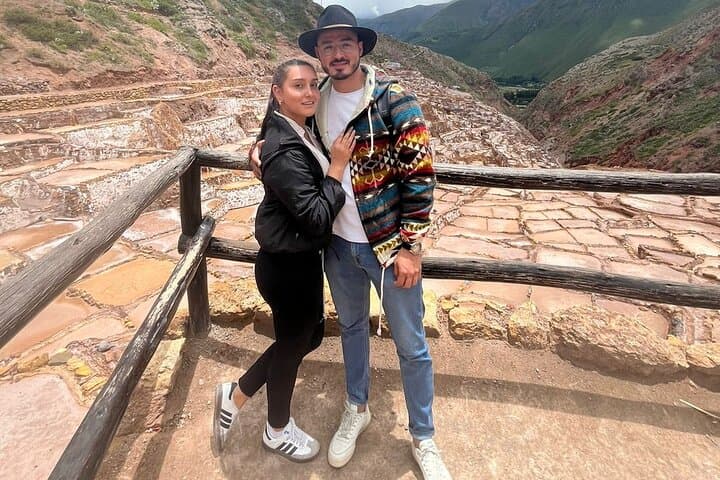
The route follows millennia of Andean agriculture and ingenuity. Moray’s circular terraces are an archaeological greenhouse — each level a different microclimate likely used by the Incas for crop trials. Nearby Maras still harvests salt from saline springs using hand-built channels that glint like a stepped mosaic. Ollantaytambo and Pisac reveal Inca stonework integrated with later colonial life; Chinchero remains a center of textile craft and Andean ceremony.
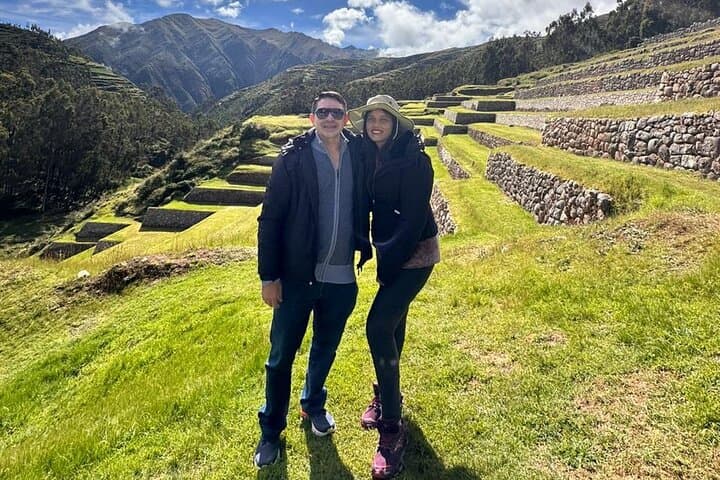
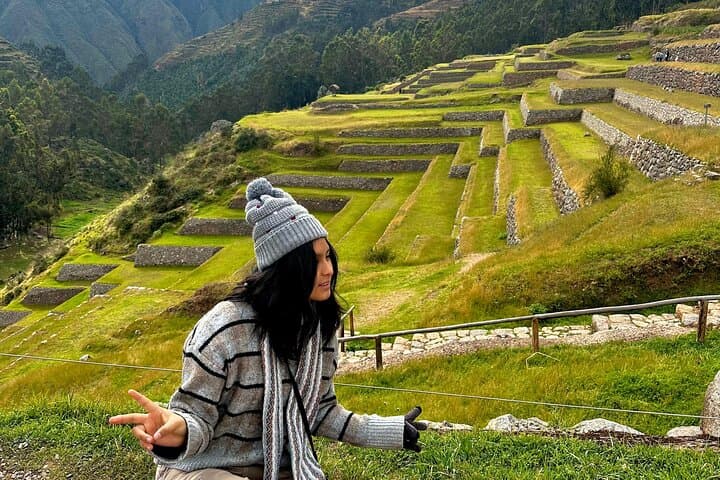
Expect varied terrain: short uphill strolls to terraces and terraces carved into steep hillsides at elevations ranging roughly from 2,800 m (Ollantaytambo) up to 3,700 m (Chinchero). Weather shifts fast; the sun can be intense and afternoons may bring clouds or drizzle.
Practical edge: acclimatize in Cusco for 24–48 hours if you can, carry water and high-SPF sun protection, and wear comfortable, grippy shoes for uneven stone paths. Bring small local currency for crafts and tipping. Tours typically include hotel pickup, a guided program and buffet lunch in Urubamba — allowing you to move through the valley efficiently while still pausing to photograph terraces, taste local corn beers and watch salt workers at their pans.
easy.
10–12 hours.
Light walking ability; comfortable with brief uphill sections at high altitude. Not strenuous but requires stamina for a long day.
Tours run as a full day, roughly 10–12 hours including hotel pickup in Cusco; exact pickup time depends on hotel location and operator schedule.
It’s considered easy walking but occurs at high altitude; allow time in Cusco to acclimatize, stay hydrated, avoid alcohol and consider medication after consulting your doctor.
Most packages include entrance to listed sites and a buffet lunch (Tunupa restaurant in Urubamba), but confirm at booking for any optional extras like local demonstrations or private photo sessions.
Yes — infants typically must sit on an adult’s lap; the itinerary is suitable for most ages, but travelers with serious back issues are advised against participation.
The Sacred Valley was a key agricultural and administrative region for the Incas; sites like Moray and Pisac display engineered terraces and waterworks central to Inca food production.
The area balances tourism and traditional livelihoods; support local artisans, avoid single-use plastics and stay on marked paths to limit erosion and salt-pan disturbance.
FRONTERA EXPLORER S.A.C. operates guided outdoor trips and adventures with an emphasis on safety, stewardship, and memorable experiences.
You step out of an air-conditioned van and the high Andes take over: thin, dry air, terraced slopes slicing the skyline and a river that seems to push the valley forward. This full-day Sacred Valley loop threads Chinchero’s textile stalls, the concentric amphitheater of Moray, the glittering salt pans of Maras, the living Inca streets of Ollantaytambo and the high-crest ruins above Pisac.
You step out of an air-conditioned van and the high Andes take over: thin, dry air, terraced slopes slicing the skyline and a river that seems to push the valley forward. This full-day Sacred Valley loop threads Chinchero’s textile stalls, the concentric amphitheater of Moray, the glittering salt pans of Maras, the living Inca streets of Ollantaytambo and the high-crest ruins above Pisac.
The route follows millennia of Andean agriculture and ingenuity. Moray’s circular terraces are an archaeological greenhouse — each level a different microclimate likely used by the Incas for crop trials. Nearby Maras still harvests salt from saline springs using hand-built channels that glint like a stepped mosaic. Ollantaytambo and Pisac reveal Inca stonework integrated with later colonial life; Chinchero remains a center of textile craft and Andean ceremony.
Expect varied terrain: short uphill strolls to terraces and terraces carved into steep hillsides at elevations ranging roughly from 2,800 m (Ollantaytambo) up to 3,700 m (Chinchero). Weather shifts fast; the sun can be intense and afternoons may bring clouds or drizzle.
Practical edge: acclimatize in Cusco for 24–48 hours if you can, carry water and high-SPF sun protection, and wear comfortable, grippy shoes for uneven stone paths. Bring small local currency for crafts and tipping. Tours typically include hotel pickup, a guided program and buffet lunch in Urubamba — allowing you to move through the valley efficiently while still pausing to photograph terraces, taste local corn beers and watch salt workers at their pans.