THE ADVENTURE COLLECTIVE® · Independent discovery and booking for outdoor travel

Spend a private day tracing Inca ingenuity through Moray’s circular terraces, the glinting salt pools of Maras, and the fortress stronghold at Ollantaytambo. This deluxe tour pairs cultural workshops with panoramic viewpoints and a buffet lunch in Urubamba.
Spend a private day tracing Inca ingenuity through Moray’s circular terraces, the glinting salt pools of Maras, and the fortress stronghold at Ollantaytambo. This deluxe tour pairs cultural workshops with panoramic viewpoints and a buffet lunch in Urubamba.
Morning light slices the Andes as your private vehicle peels away from Cusco, the city’s stone streets shrinking behind you and the valley opening like a map of terraces and river bends. By the time you step at Machuqolqa viewpoint, the air is thin and sharp; fields and ridgelines fan out beneath a sky that makes color feel more honest.
Verified experiences and guided adventures in the surrounding area.
Operated by Tucans Travel · Cusco, Cusco Region
Morning light slices the Andes as your private vehicle peels away from Cusco, the city’s stone streets shrinking behind you and the valley opening like a map of terraces and river bends. By the time you step at Machuqolqa viewpoint, the air is thin and sharp; fields and ridgelines fan out beneath a sky that makes color feel more honest.
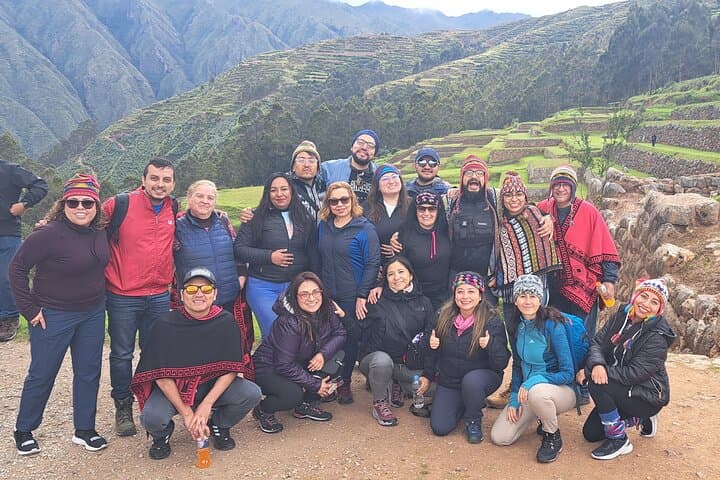
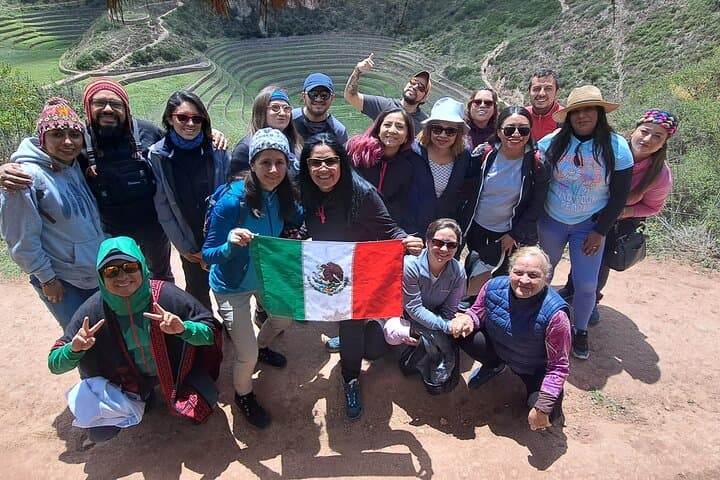
This full-day route threads key Inca sites—Chinchero’s colonial church built atop Inca foundations, the concentric agricultural bowls of Moray, the hand-worked salt pans of Maras, and the fortress terraces of Ollantaytambo—each place revealing a different chapter of Andean engineering. Geologically the valley sits in a river-carved trough of folded sedimentary and volcanic rock; elevation ranges roughly 2,800–3,600 m across stops, so the changes in microclimate were central to Inca experimentation here.
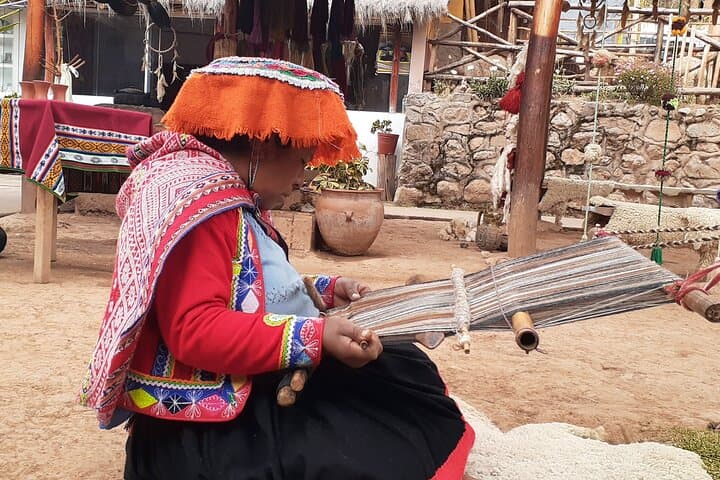
Culturally the day balances living tradition and archaeology: textile workshops in Chinchero demonstrate natural-dye techniques, while the communal management of the Maras salt pans shows practices that predate colonial rule.
Practical guidance: expect repeated short walks—20–60 minutes—over uneven stone terraces and cobbled streets, with stairs at archaeological sites. Plan for altitude (bring extra water, move slowly the first hour), sun (UV rises with elevation), and a camera with neutral-density or polarizer filters for the bright salt pans. Your private guide times visits to avoid crowds where possible; comfortable, broken-in footwear and layered clothing are the best preparation for a six-to-eight hour day of standing, short hikes, and photo stops.
moderate.
6–8 hours.
Suitable for travelers in average physical condition who can walk short uneven trails and climb stairs at altitude.
Most archaeological sites in the Sacred Valley require the Bolivia-Tourist Circuit (BTC) or individual admissions; Salineras de Maras usually has a local entrance fee included by the operator—confirm with your tour provider.
Yes—this private tour accommodates a wide range of ages but involves walking on uneven terrain and altitude; ask about infant seats and pacing when booking.
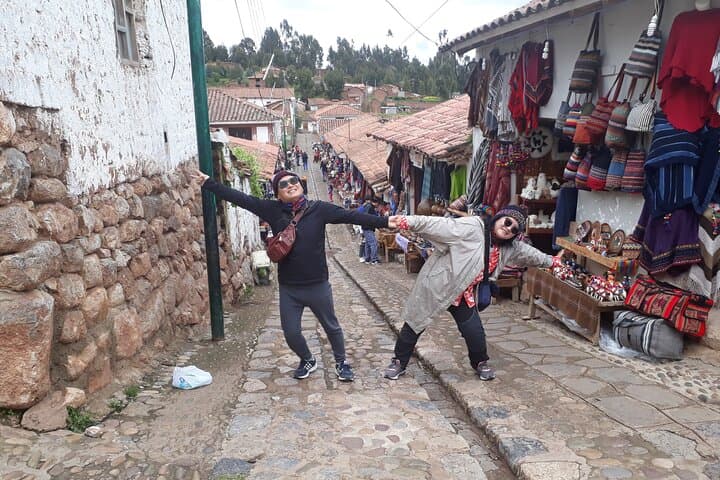
The itinerary includes a stop at the Pisac market and a weaving workshop in Chinchero where you can observe and purchase authentic textiles—carry cash and inspect items closely.
Acclimatize in Cusco for 24–48 hours, hydrate, avoid heavy meals and alcohol before the tour, and speak to your doctor about medication if you have prior issues.
The Sacred Valley was a vital agricultural and spiritual zone for the Incas; sites like Moray were experimental farms that used microclimates to adapt crops.
Many sites are protected and benefit from visitor fees; stick to trails, avoid removing natural materials, and buy local crafts directly from artisans to support communities.
Tucans Travel operates guided outdoor trips and adventures with an emphasis on safety, stewardship, and memorable experiences.
Morning light slices the Andes as your private vehicle peels away from Cusco, the city’s stone streets shrinking behind you and the valley opening like a map of terraces and river bends. By the time you step at Machuqolqa viewpoint, the air is thin and sharp; fields and ridgelines fan out beneath a sky that makes color feel more honest.
Morning light slices the Andes as your private vehicle peels away from Cusco, the city’s stone streets shrinking behind you and the valley opening like a map of terraces and river bends. By the time you step at Machuqolqa viewpoint, the air is thin and sharp; fields and ridgelines fan out beneath a sky that makes color feel more honest.
This full-day route threads key Inca sites—Chinchero’s colonial church built atop Inca foundations, the concentric agricultural bowls of Moray, the hand-worked salt pans of Maras, and the fortress terraces of Ollantaytambo—each place revealing a different chapter of Andean engineering. Geologically the valley sits in a river-carved trough of folded sedimentary and volcanic rock; elevation ranges roughly 2,800–3,600 m across stops, so the changes in microclimate were central to Inca experimentation here.
Culturally the day balances living tradition and archaeology: textile workshops in Chinchero demonstrate natural-dye techniques, while the communal management of the Maras salt pans shows practices that predate colonial rule.
Practical guidance: expect repeated short walks—20–60 minutes—over uneven stone terraces and cobbled streets, with stairs at archaeological sites. Plan for altitude (bring extra water, move slowly the first hour), sun (UV rises with elevation), and a camera with neutral-density or polarizer filters for the bright salt pans. Your private guide times visits to avoid crowds where possible; comfortable, broken-in footwear and layered clothing are the best preparation for a six-to-eight hour day of standing, short hikes, and photo stops.