THE ADVENTURE COLLECTIVE® · Independent discovery and booking for outdoor travel

A compact, single-day circuit through the Sacred Valley that hits Chinchero, Moray’s terraced bowls, the Maras salt pans, Ollantaytambo fortress and Pisaq ruins. Expect long driving stretches, short steep walks, and vivid encounters with Andean geology and Quechua culture.
A compact, single-day circuit through the Sacred Valley that hits Chinchero, Moray’s terraced bowls, the Maras salt pans, Ollantaytambo fortress and Pisaq ruins. Expect long driving stretches, short steep walks, and vivid encounters with Andean geology and Quechua culture.
Dawn light pulls the Andes into sharp relief as a private van slides out of Cusco and down into the broad ribbon of the Sacred Valley.
Verified experiences and guided adventures in the surrounding area.
Operated by Kantu Peru Tours · Cusco, Cusco
Dawn light pulls the Andes into sharp relief as a private van slides out of Cusco and down into the broad ribbon of the Sacred Valley.
Terraces rise and fall like worked geology—Moray’s concentric bowls cut into the hillside, Maras’s salt pans glittering like thousands of tiny mirrors—and the road threads indigenous towns where Quechua voices and textile patterns remain daily language. These sites map Inca ingenuity: Moray’s stepped basins are believed to be an experimental agricultural lab that created microclimates, while Maras has produced salt from shallow pans for centuries using groundwater and solar evaporation.
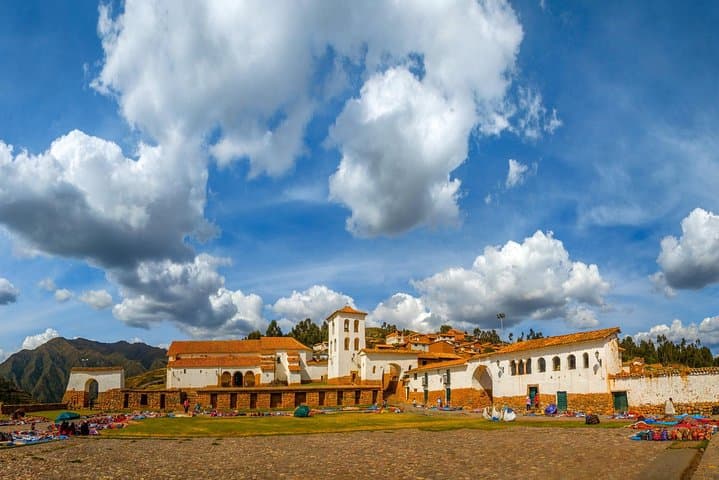
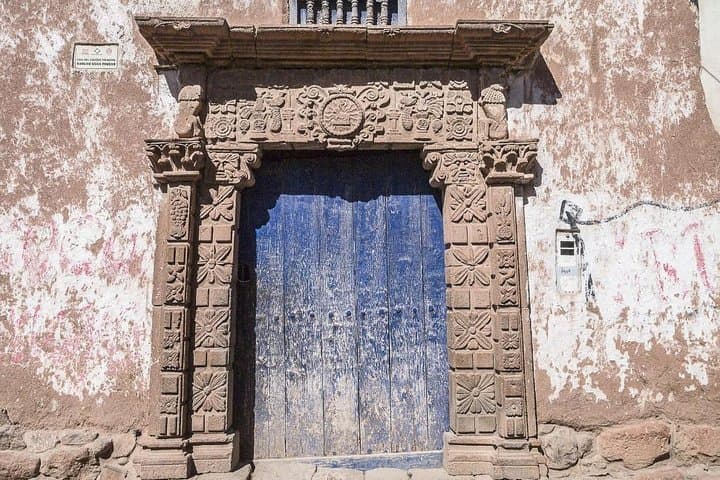
Geology here is active: an uplifted valley of alluvial soils and fractured volcanic bedrock that the Incas reshaped into terraces and drainage systems. Culture is visible at every stop—Chinchero’s colonial church and market, Ollantaytambo’s living stone fortress and steep Inca stairways, and Pisaq’s cliffside ruins with narrow switchback paths.
Plan practically: the full loop is a long day (roughly 11–12 hours) with driving of about 100–130 km and elevations ranging from ~2,800 m in Ollantaytambo up to ~3,600 m around some high viewpoints. Expect short, steep walks on uneven stone at Pisaq and Ollantaytambo (0.5–1 km per site). Buy the regional Boleto Turístico on arrival if you don’t have it; bring cash for the salt pans and markets.
Hydrate, move slowly the first morning to reduce altitude effects, and carry layers—sun and rain can alternate in an hour. The route gives a compact primer on Andean landscape, archaeology and living Quechua culture—one long day that compresses centuries into a single, walkable corridor.
moderate.
11–12 hours.
Moderate fitness for full-day travel at altitude; able to handle short steep walks and stairs.
No—the regional tourist ticket (Boleto Turístico) is not included; buy it in Cusco or at certain sites and carry cash for site-specific fees.
Possibly—Cusco and many sites sit between 2,800–3,600 m; allow a rest day in Cusco before this tour, hydrate, and ascend slowly.
Walking per site is generally short (0.5–1 km) but can be steep with uneven stone steps—expect several short climbs across the day.
This tour includes tourist transportation, a professional driver, guide, and a buffet lunch in Urubamba; snack stops and market purchases are extra.
The Sacred Valley was a core agricultural and sacred zone for the Inca; Moray’s terraces likely served as experimental plots to test crops at varied microclimates.
High visitor numbers can stress fragile terraces and salt pans—follow marked paths, avoid removing cultural materials, and buy local crafts to support communities.
Kantu Peru Tours operates guided outdoor trips and adventures with an emphasis on safety, stewardship, and memorable experiences.


Dawn light pulls the Andes into sharp relief as a private van slides out of Cusco and down into the broad ribbon of the Sacred Valley.
Dawn light pulls the Andes into sharp relief as a private van slides out of Cusco and down into the broad ribbon of the Sacred Valley.
Terraces rise and fall like worked geology—Moray’s concentric bowls cut into the hillside, Maras’s salt pans glittering like thousands of tiny mirrors—and the road threads indigenous towns where Quechua voices and textile patterns remain daily language. These sites map Inca ingenuity: Moray’s stepped basins are believed to be an experimental agricultural lab that created microclimates, while Maras has produced salt from shallow pans for centuries using groundwater and solar evaporation.
Geology here is active: an uplifted valley of alluvial soils and fractured volcanic bedrock that the Incas reshaped into terraces and drainage systems. Culture is visible at every stop—Chinchero’s colonial church and market, Ollantaytambo’s living stone fortress and steep Inca stairways, and Pisaq’s cliffside ruins with narrow switchback paths.
Plan practically: the full loop is a long day (roughly 11–12 hours) with driving of about 100–130 km and elevations ranging from ~2,800 m in Ollantaytambo up to ~3,600 m around some high viewpoints. Expect short, steep walks on uneven stone at Pisaq and Ollantaytambo (0.5–1 km per site). Buy the regional Boleto Turístico on arrival if you don’t have it; bring cash for the salt pans and markets.
Hydrate, move slowly the first morning to reduce altitude effects, and carry layers—sun and rain can alternate in an hour. The route gives a compact primer on Andean landscape, archaeology and living Quechua culture—one long day that compresses centuries into a single, walkable corridor.