THE ADVENTURE COLLECTIVE® · Independent discovery and booking for outdoor travel

Spend a full day exploring the Sacred Valley’s Inca terraces, artisan workshops and the fortress at Ollantaytambo on an 11-hour guided excursion from Cusco. This practical day trip pairs archaeological highlights with local culture and a riverside lunch.
Spend a full day exploring the Sacred Valley’s Inca terraces, artisan workshops and the fortress at Ollantaytambo on an 11-hour guided excursion from Cusco. This practical day trip pairs archaeological highlights with local culture and a riverside lunch.
The bus pulls out of Cusco before the morning sun fully warms the high plain; windows fog slightly as the road descends toward the Vilcanota River and the valley opens like a lived-in map. Travelers move from narrow colonial streets to terraces that climb the hillsides—rows of stone agriculture cleaved into steep slopes, steps that demand short, steady breaths at altitude.
Verified experiences and guided adventures in the surrounding area.
Operated by Aremika Travel · Cusco, Cusco Region
The bus pulls out of Cusco before the morning sun fully warms the high plain; windows fog slightly as the road descends toward the Vilcanota River and the valley opens like a lived-in map. Travelers move from narrow colonial streets to terraces that climb the hillsides—rows of stone agriculture cleaved into steep slopes, steps that demand short, steady breaths at altitude.
This is the Sacred Valley: a corridor the Incas shaped for crops, defense and ceremony. The day tour strings together small artisan hubs and major Inca sites—Pisac’s hilltop terraces and burial platforms, the strategic fortress of Ollantaytambo that screens access to the valley, and the woven traditions still practiced in Chinchero. Geology here is visible: layered volcanic and sedimentary slopes carved by the Vilcanota River and reshaped by centuries of human labor.
Culturally the valley remains active—markets and workshops display contemporary uses of ancient weaving patterns and silverwork. Guides typically explain Inca water channels and terraces while pointing out agricultural zones that still produce quinoa, potatoes and native corn.
Practical guidance: expect a full 11-hour day in an air-conditioned vehicle with several short walks on uneven stone and many stair sections. The tour includes hotel pickup (around 8:20–9:00), a buffet lunch in Urubamba, and short stops at craft centers. Altitude shifts are real—carry water, layer clothing for sun and wind, and allow extra time to move slowly on steep terraces. Mobile tickets are accepted and cancellations usually allow refunds up to 24 hours prior.
easy.
11 hours.
Able to handle several short walks and stair sections across uneven Inca terraces; no special fitness required but expect a full day at altitude.
The tour runs about 11 hours; pickup from central Cusco hotels commonly begins around 8:20–9:00 a.m. and returns in the evening.
The itinerary lists visits to major sites, but some site admissions may be excluded—confirm with the operator before booking to know which entrances are covered.
The tour involves uneven stone steps and short uphill walks; it’s labeled suitable for most fitness levels, but not recommended for those with serious spinal or heart conditions or for pregnant travelers.
Yes — stops include craft centers in Corao and Chinchero and a silver workshop in Pisac; bring small cash for purchases and bargaining.
The Sacred Valley was a productive agricultural and ceremonial corridor for the Inca state; many terraces and waterworks you’ll see date to pre-Columbian engineering adapted over centuries.
Visitors should stay on established paths to protect fragile terraces and avoid leaving litter; buying from local artisans supports traditional weaving and keeps cultural practices alive.
Aremika Travel operates guided outdoor trips and adventures with an emphasis on safety, stewardship, and memorable experiences.
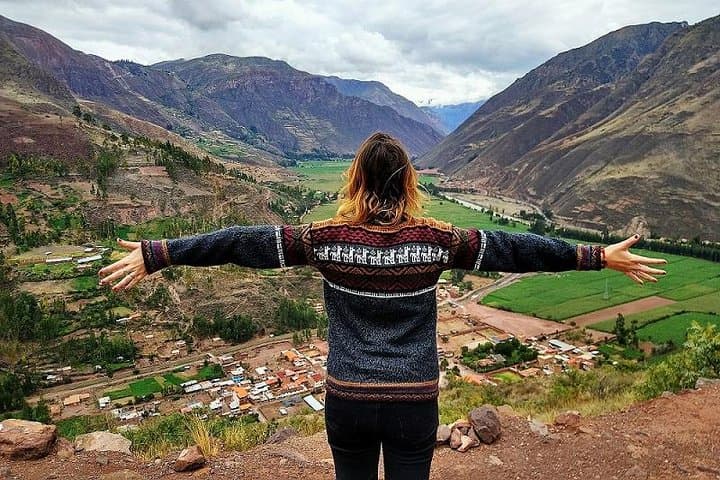
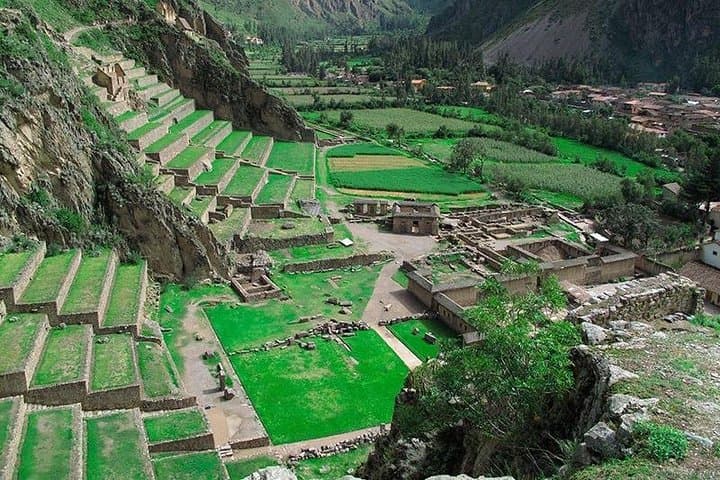
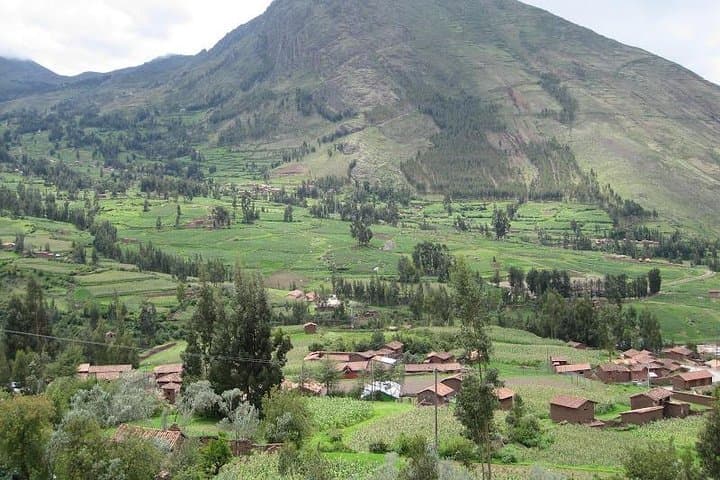
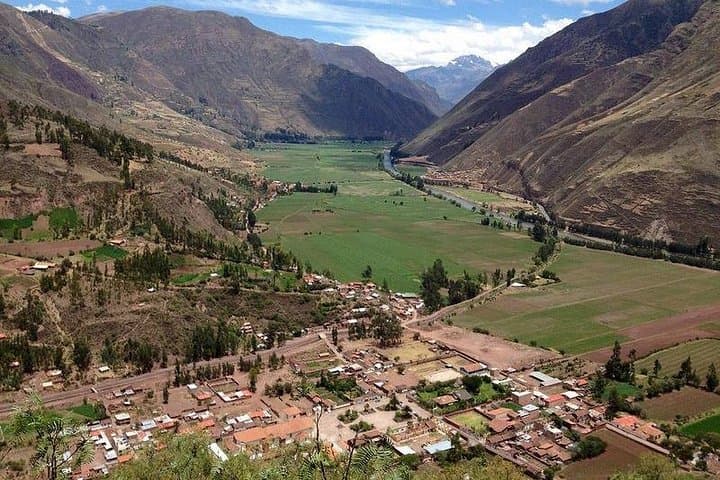
The bus pulls out of Cusco before the morning sun fully warms the high plain; windows fog slightly as the road descends toward the Vilcanota River and the valley opens like a lived-in map. Travelers move from narrow colonial streets to terraces that climb the hillsides—rows of stone agriculture cleaved into steep slopes, steps that demand short, steady breaths at altitude.
The bus pulls out of Cusco before the morning sun fully warms the high plain; windows fog slightly as the road descends toward the Vilcanota River and the valley opens like a lived-in map. Travelers move from narrow colonial streets to terraces that climb the hillsides—rows of stone agriculture cleaved into steep slopes, steps that demand short, steady breaths at altitude.
This is the Sacred Valley: a corridor the Incas shaped for crops, defense and ceremony. The day tour strings together small artisan hubs and major Inca sites—Pisac’s hilltop terraces and burial platforms, the strategic fortress of Ollantaytambo that screens access to the valley, and the woven traditions still practiced in Chinchero. Geology here is visible: layered volcanic and sedimentary slopes carved by the Vilcanota River and reshaped by centuries of human labor.
Culturally the valley remains active—markets and workshops display contemporary uses of ancient weaving patterns and silverwork. Guides typically explain Inca water channels and terraces while pointing out agricultural zones that still produce quinoa, potatoes and native corn.
Practical guidance: expect a full 11-hour day in an air-conditioned vehicle with several short walks on uneven stone and many stair sections. The tour includes hotel pickup (around 8:20–9:00), a buffet lunch in Urubamba, and short stops at craft centers. Altitude shifts are real—carry water, layer clothing for sun and wind, and allow extra time to move slowly on steep terraces. Mobile tickets are accepted and cancellations usually allow refunds up to 24 hours prior.