THE ADVENTURE COLLECTIVE® · Independent discovery and booking for outdoor travel

Travel from Cusco into the Sacred Valley to explore Pisac’s terraces, Urubamba’s flavors, and Ollantaytambo’s stonework on a full-day cultural route. This guided tour combines accessible archaeological walks with local markets and a buffet lunch.
Travel from Cusco into the Sacred Valley to explore Pisac’s terraces, Urubamba’s flavors, and Ollantaytambo’s stonework on a full-day cultural route. This guided tour combines accessible archaeological walks with local markets and a buffet lunch.
Morning light slices across low Andean peaks as a minibus pulls away from Cusco, trading colonial streets for high-altitude farmland. The road descends into a broad valley where terraced slopes and stonework keep pace like chapters in a living history book. Travelers step from the vehicle and feel the air—thin, dry, and full of distant river noise that seems to dare you to walk farther.
Verified experiences and guided adventures in the surrounding area.
Operated by Yapa Explorers · Cusco, Cusco Region
Morning light slices across low Andean peaks as a minibus pulls away from Cusco, trading colonial streets for high-altitude farmland. The road descends into a broad valley where terraced slopes and stonework keep pace like chapters in a living history book. Travelers step from the vehicle and feel the air—thin, dry, and full of distant river noise that seems to dare you to walk farther.
The Sacred Valley was the agricultural heartland of the Inca Empire; its blend of engineered terraces, grinding canals and finely cut stone—seen at Pisac, Urubamba and Ollantaytambo—reflects mastery of geology and climate. Chinchero’s colonial chapel and working weaving families show how Andean textile traditions braided with Spanish influences over centuries. Geologically, the valley follows the Urubamba River, carving a corridor between high puna and lower cloud forest pockets, which creates microclimates and fertile soils.
Practically, the day is long (about 10–11 hours) but low-technical: expect guided walks across terraces, ceramics markets, and stairs at archaeological sites rather than hiking into remote ranges. Bring layers for rapid temperature swings, sunscreen for strong mountain sun, and small bills for markets. Allow time to acclimate in Cusco before joining; even easy walks at 2,800–2,900 m can feel strenuous on arrival.
Timing matters: weather shifts between dry and wet seasons affect visibility and mud. The itinerary is culturally rich—ideal for photographers, history fans, and anyone wanting a compact survey of Inca engineering and contemporary Andean life without technical mountaineering.
easy.
10–11 hours.
Suitable for most fitness levels but requires stamina for an all-day outing and short uphill walks at altitude
Yes—Cusco sits above 3,300 m; allow 24–48 hours to acclimatize, stay hydrated, eat lightly, and consider coca tea or consult a doctor about medication.
This tour’s description notes archaeological visits and market stops; check booking details—some tours include site fees, others may require you to pay at the gate.
The tour is suitable for most ages but involves uneven surfaces and stairs; it’s not recommended for travelers with significant spinal issues or severe mobility limitations.
Professional guides for this tour typically speak Spanish and English; confirm at booking if you need another language.
The valley served as a primary agricultural and administrative zone for the Inca, who engineered terraces and irrigation to support Cusco’s population.
Tour operators encourage sticking to paths and supporting local cooperatives; erosion on terraces and waste from tourists are ongoing concerns, so bring reusable gear and dispose of trash properly.
Yapa Explorers operates guided outdoor trips and adventures with an emphasis on safety, stewardship, and memorable experiences.
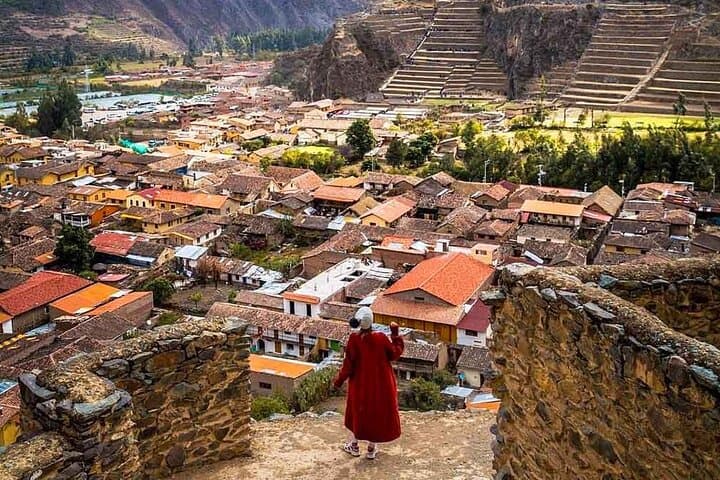

Morning light slices across low Andean peaks as a minibus pulls away from Cusco, trading colonial streets for high-altitude farmland. The road descends into a broad valley where terraced slopes and stonework keep pace like chapters in a living history book. Travelers step from the vehicle and feel the air—thin, dry, and full of distant river noise that seems to dare you to walk farther.
Morning light slices across low Andean peaks as a minibus pulls away from Cusco, trading colonial streets for high-altitude farmland. The road descends into a broad valley where terraced slopes and stonework keep pace like chapters in a living history book. Travelers step from the vehicle and feel the air—thin, dry, and full of distant river noise that seems to dare you to walk farther.
The Sacred Valley was the agricultural heartland of the Inca Empire; its blend of engineered terraces, grinding canals and finely cut stone—seen at Pisac, Urubamba and Ollantaytambo—reflects mastery of geology and climate. Chinchero’s colonial chapel and working weaving families show how Andean textile traditions braided with Spanish influences over centuries. Geologically, the valley follows the Urubamba River, carving a corridor between high puna and lower cloud forest pockets, which creates microclimates and fertile soils.
Practically, the day is long (about 10–11 hours) but low-technical: expect guided walks across terraces, ceramics markets, and stairs at archaeological sites rather than hiking into remote ranges. Bring layers for rapid temperature swings, sunscreen for strong mountain sun, and small bills for markets. Allow time to acclimate in Cusco before joining; even easy walks at 2,800–2,900 m can feel strenuous on arrival.
Timing matters: weather shifts between dry and wet seasons affect visibility and mud. The itinerary is culturally rich—ideal for photographers, history fans, and anyone wanting a compact survey of Inca engineering and contemporary Andean life without technical mountaineering.