THE ADVENTURE COLLECTIVE® · Independent discovery and booking for outdoor travel

Spend a day moving through Inca engineering, from Ollantaytambo’s fortress terraces to Moray’s concentric agricultural bowls and the salt pans of Maras. This accessible Sacred Valley tour blends easy hikes with cultural interpretation and striking Andean landscapes.
Spend a day moving through Inca engineering, from Ollantaytambo’s fortress terraces to Moray’s concentric agricultural bowls and the salt pans of Maras. This accessible Sacred Valley tour blends easy hikes with cultural interpretation and striking Andean landscapes.
Book with Come See Perú Tours
Book directly with Come See Perú Tours for the best rates and real-time scheduling.
Reserve NowVerified experiences and guided adventures in the surrounding area.
Operated by Come See Perú Tours · Ollantaytambo, Cusco
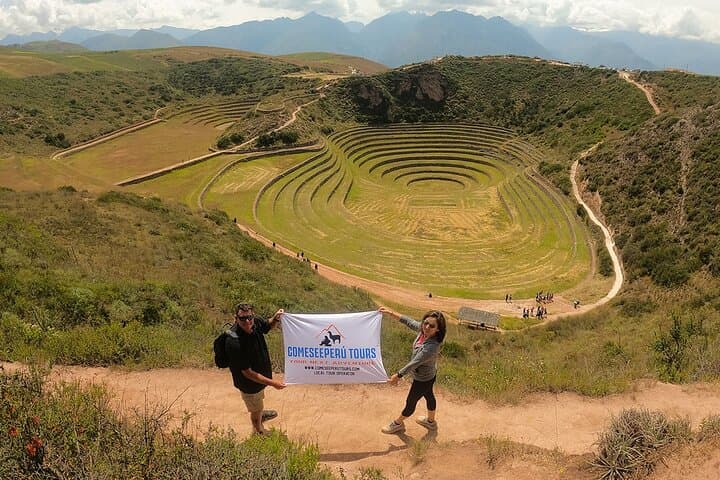
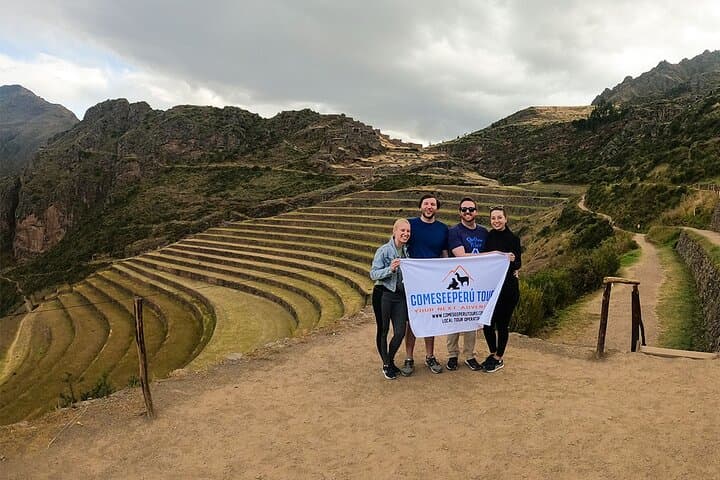
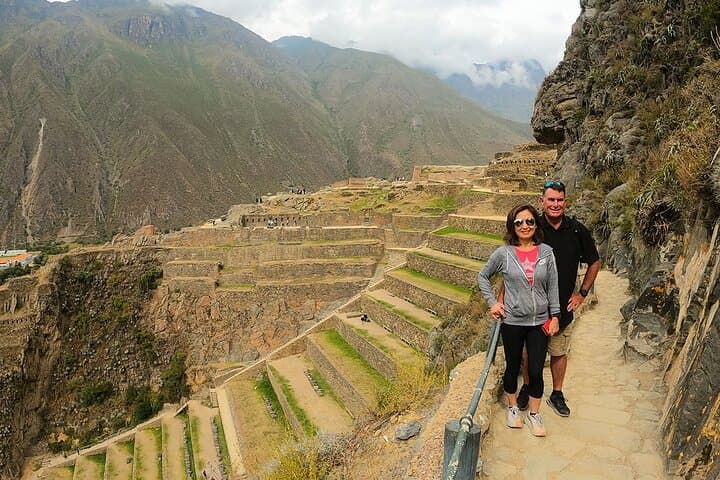
Morning light slices the Andes as a minivan hums down the Urubamba Valley, and terraces unfold like staircases climbing the hillsides. You step out at Ollantaytambo where stone ramparts lean into the sky and pathways worn by centuries of feet guide you through the sun temple and agricultural sectors. Later, Moray’s circular amphitheaters reveal concentric microclimates—an Inca laboratory carved into the earth—and the Maras salt pans glitter on a steep slope, their shallow pools reflecting the highland sky. History here is tangible: the Sacred Valley was the Inca breadbasket and a strategic corridor to Cusco, its engineered terraces and water channels illustrating a sophisticated relationship with steep, volcanic terrain. Geology plays a role too—the valley sits along uplifted Andean ridges; easily erodible volcanic soils were terraced to stabilize slopes and intensify cultivation. Today, towns like Pisac, Urubamba and Ollantaytambo maintain Quechua traditions—markets, textile patterns and farming rhythms that connect past and present. Practical guidance: expect a full day (roughly 6–8 hours) of walking on uneven stone streets and short steep trails; entrances to archaeological sites may require separate tickets. Bring sun protection and layers—high-altitude sun and cool winds shift rapidly. Photography is rewarding but mindful behavior preserves fragile terraces and saltworks. Guides typically handle logistics and offer context about irrigation systems, terrace farming, and local festivals. If you’re acclimatized and prepared, the Sacred Valley delivers a compact, accessible immersion into Andean landscape, living culture, and Inca engineering—an outdoor day that pairs light hiking with vivid cultural interpretation.
easy.
6–8 hours.
Appropriate for most visitors with basic mobility; able to walk short steep sections and climb stone steps.
The tour runs about 6–8 hours and typically includes Ollantaytambo, Moray, and the Maras salt mines with guided visits at each location.
Not always—site admission is often separate from the tour price, so carry local currency or confirm with the operator beforehand.
Yes; the itinerary is rated easy, but participants should be able to walk short steep sections and manage stairs; consider altitude effects for young children or older adults.
Pickups are commonly offered from Urubamba or Ollantaytambo; visitors can join from Cusco but should allow extra travel time for pickup logistics.
The Sacred Valley was a core agricultural and ceremonial region for the Inca; sites like Moray show deliberate microclimate engineering and Ollantaytambo served as a strategic fortress and agricultural hub.
Visitor pressure affects fragile terraces and salt pans—stick to paths, avoid removing materials, and support local guides and markets to benefit communities.
Come See Perú Tours operates guided outdoor trips and adventures with an emphasis on safety, stewardship, and memorable experiences.
Book with Come See Perú Tours
Book directly with Come See Perú Tours for the best rates and real-time scheduling.
Reserve Now