THE ADVENTURE COLLECTIVE® · Independent discovery and booking for outdoor travel

A full-day loop from Cusco through Chinchero, Moray, Maras, Ollantaytambo and Pisaq that pairs Inca engineering with sweeping valley views. Expect short walks, high-altitude conditions and striking archaeological terraces.
A full-day loop from Cusco through Chinchero, Moray, Maras, Ollantaytambo and Pisaq that pairs Inca engineering with sweeping valley views. Expect short walks, high-altitude conditions and striking archaeological terraces.
You step out at dawn into Cusco’s Plaza de Armas and the mountain air immediately rearranges your breath; the city recedes and the high valley opens, terraces stacking like ancient steps carved into light.
Verified experiences and guided adventures in the surrounding area.
Operated by Top Inka Travel · Cusco, Cusco
You step out at dawn into Cusco’s Plaza de Armas and the mountain air immediately rearranges your breath; the city recedes and the high valley opens, terraces stacking like ancient steps carved into light.
The day moves from hand-woven markets in Chinchero to the circular amphitheater of Moray, where concentric agricultural terraces reveal Inca experimentation with microclimates; the earth here reads like a manual.
Geology and ingenuity meet at Maras, where more than 3,000 shallow salt pans catch spring-fed brine and fold the sun into tiny crystals. Later, Ollantaytambo’s living stonework—streets and fortress walls still inhabited—offers a clearer sense of Inca urban planning than any textbook. Pisaq caps the route with steep terraces and sweeping valley views that make the Urubamba River feel like it’s urging you onward.
This is a long but accessible day: expect a 12-hour outing with short to moderate walks across cobbled streets, terraces and site trails at elevations between roughly 2,800–3,400 m. Light hiking shoes, sun protection, water and layered clothing will carry you through temperature swings and dusty paths.
Practical points: altitude acclimatization matters—take it easy the first 24–48 hours in Cusco, hydrate, and consider acetazolamide if you're sensitive. Bring small bills for local craft stalls and optional site tickets; camera batteries drain faster in cold, high air.
The tour blends cultural history, hands-on rural landscapes and clear logistics—hotel pickup in central Cusco and return to Plaza de Armas—making it an efficient, sensory-rich introduction to the Sacred Valley.
moderate.
12 hours.
Light to moderate fitness; able to walk short uphill sections and climb uneven terraces at altitude.
No; most historic sites require separate entry fees—carry local currency or check whether a Boleto Turistico covers the sites you want to visit.
Yes, it’s family-friendly, but infants must sit on laps during transport and families should monitor altitude effects on young children.
Acclimatize in Cusco for a day or two, hydrate, avoid heavy alcohol, eat lightly and consult a physician about altitude medication if you have prior symptoms.
Yes, the itinerary includes market time in Chinchero and stops near Maras; bring small bills for textiles, snacks and souvenirs.
The Sacred Valley was a strategic agricultural and administrative heartland of the Inca, whose terraces and irrigation experiments at Moray reveal sophisticated microclimate farming techniques.
High-Andean ecosystems are fragile; stick to marked paths, avoid removing salt crystals from Maras and support local artisans to keep cultural practices sustainable.
Top Inka Travel operates guided outdoor trips and adventures with an emphasis on safety, stewardship, and memorable experiences.
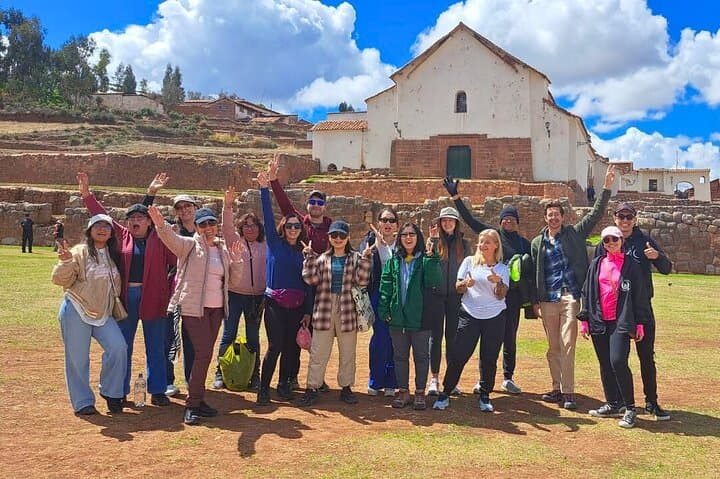


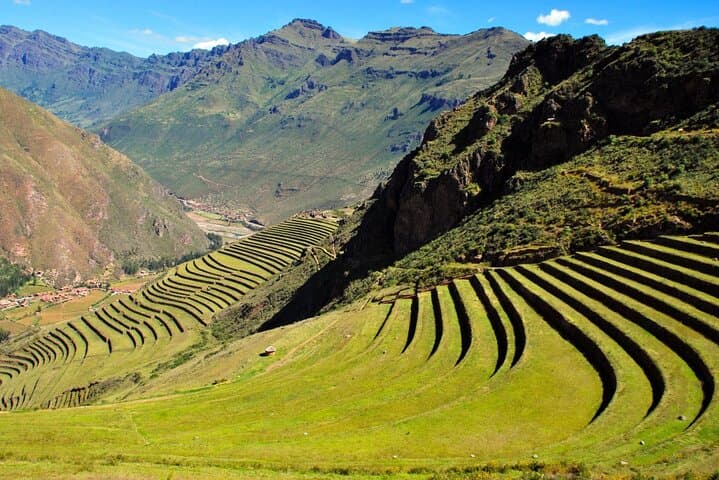
You step out at dawn into Cusco’s Plaza de Armas and the mountain air immediately rearranges your breath; the city recedes and the high valley opens, terraces stacking like ancient steps carved into light.
You step out at dawn into Cusco’s Plaza de Armas and the mountain air immediately rearranges your breath; the city recedes and the high valley opens, terraces stacking like ancient steps carved into light.
The day moves from hand-woven markets in Chinchero to the circular amphitheater of Moray, where concentric agricultural terraces reveal Inca experimentation with microclimates; the earth here reads like a manual.
Geology and ingenuity meet at Maras, where more than 3,000 shallow salt pans catch spring-fed brine and fold the sun into tiny crystals. Later, Ollantaytambo’s living stonework—streets and fortress walls still inhabited—offers a clearer sense of Inca urban planning than any textbook. Pisaq caps the route with steep terraces and sweeping valley views that make the Urubamba River feel like it’s urging you onward.
This is a long but accessible day: expect a 12-hour outing with short to moderate walks across cobbled streets, terraces and site trails at elevations between roughly 2,800–3,400 m. Light hiking shoes, sun protection, water and layered clothing will carry you through temperature swings and dusty paths.
Practical points: altitude acclimatization matters—take it easy the first 24–48 hours in Cusco, hydrate, and consider acetazolamide if you're sensitive. Bring small bills for local craft stalls and optional site tickets; camera batteries drain faster in cold, high air.
The tour blends cultural history, hands-on rural landscapes and clear logistics—hotel pickup in central Cusco and return to Plaza de Armas—making it an efficient, sensory-rich introduction to the Sacred Valley.