THE ADVENTURE COLLECTIVE® · Independent discovery and booking for outdoor travel

See Chinchero, Moray, Maras and the fortress of Ollantaytambo in a single, efficient day from Cusco. This full-day loop blends Inca engineering, local weaving traditions, and Andean landscapes—ideal for travelers connecting to the Ollantaytambo train.
See Chinchero, Moray, Maras and the fortress of Ollantaytambo in a single, efficient day from Cusco. This full-day loop blends Inca engineering, local weaving traditions, and Andean landscapes—ideal for travelers connecting to the Ollantaytambo train.
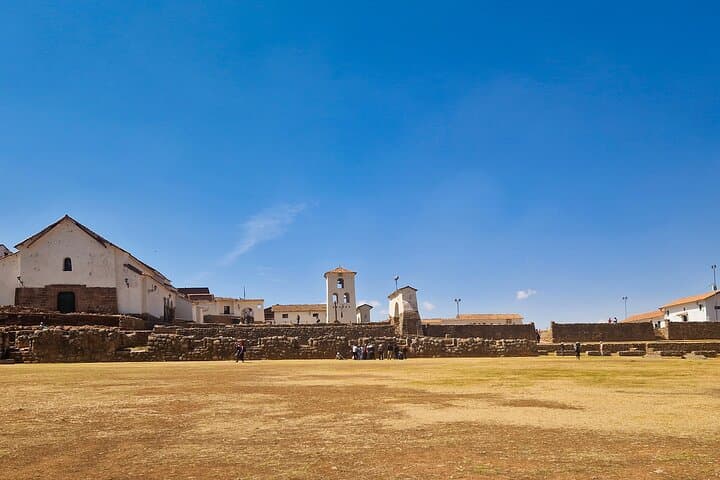
You set out before sunrise from Cusco, the city still cooling from the night. The road drops and rises through high Andean scrub, and by mid-morning you are standing among the cool wind of Chinchero, where terraces step down like shelves holding centuries of cultivation.
Verified experiences and guided adventures in the surrounding area.
Operated by MC Peru Expeditions · Cusco, Cusco Region
You set out before sunrise from Cusco, the city still cooling from the night. The road drops and rises through high Andean scrub, and by mid-morning you are standing among the cool wind of Chinchero, where terraces step down like shelves holding centuries of cultivation.
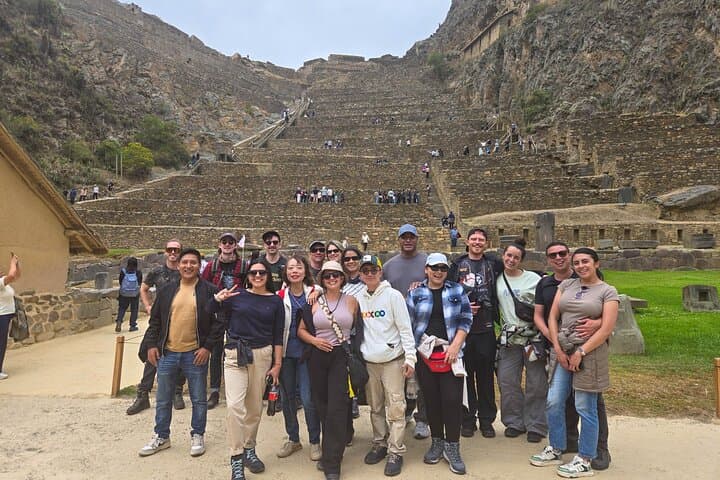
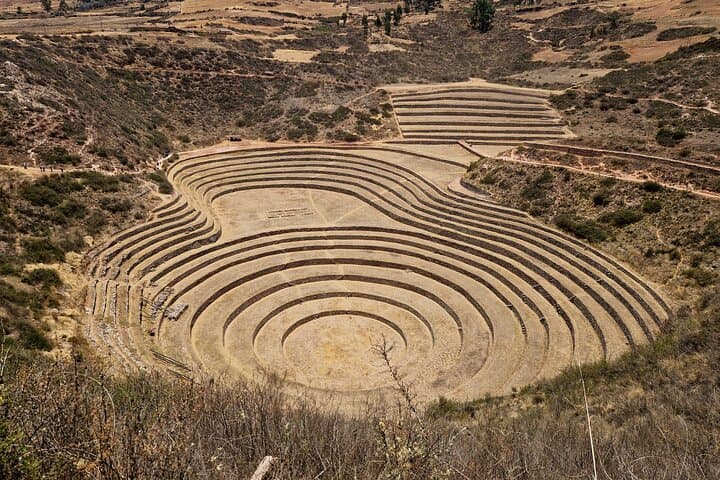
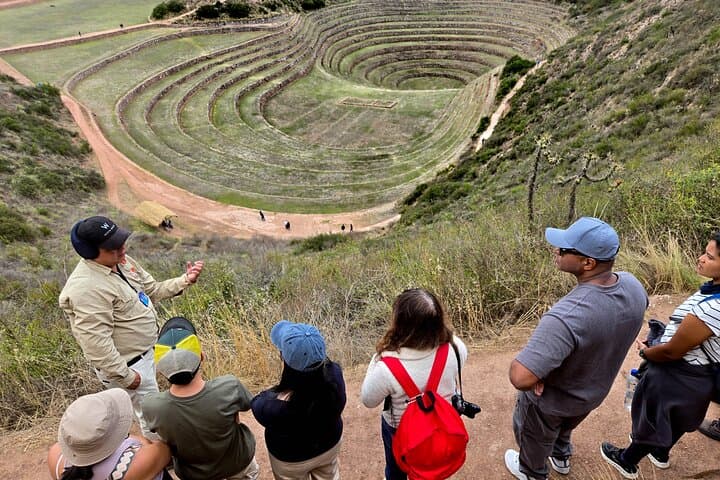
This one-day circuit threads together sites that shaped Inca agriculture and trade: Chinchero’s colonial church and weaving cooperatives; the concentric laboratory terraces at Moray; the geometric salt pans of Maras carved into a desert slope; and the stonework and strategic ramps of Ollantaytambo. Geologically, the valley follows a deep river incision and a string of fertile alluvial benches, which the Incas exploited with clever irrigation and microclimate farming.
Culturally the route is a study in continuity — modern Quechua-speaking families still tend terraces and spin wool in patterns unchanged for generations. Expect strong sunlight, thin air, and a landscape where human engineering and steep Andean slopes meet.
Practical guidance: the full itinerary runs about 11–12 hours and moves at a steady pace with short hikes and stair-climbs at ruins. Elevations range roughly from 2,800–3,800 m, so plan 24–48 hours of acclimatization in Cusco if possible. Wear grippy shoes for uneven stone and bring a sun layer, rain shell, and at least 1.5–2 liters of water. Carry small change for market stalls and a light daypack; if you plan to connect to the Aguas Calientes train, confirm the drop-off time when you book.
moderate.
11–12 hours.
Able to handle a full day of walking on uneven terrain and short stair climbs at high altitude; basic aerobic fitness recommended
This itinerary includes the stated entrance fee (90 Soles); confirm on booking and carry a small amount of extra cash for optional site fees or purchases.
Yes — there is an optional drop-off at Ollantaytambo, and tour operators can coordinate timing with common train departures—confirm your train time when booking.
Walking at sites includes short hikes and stair climbs on uneven terrain, typically 10–30 minutes at each major stop; the day is long but not technically difficult.
Acclimatize in Cusco for 24–48 hours, stay hydrated, avoid heavy meals and alcohol before the tour, and consider coca tea or over-the-counter remedies if advised by a doctor.
The Sacred Valley was a vital agricultural backbone for the Inca empire; Moray’s circular terraces acted as microclimate labs and Maras’ salt pans predate Inca engineering.
Stick to marked trails and avoid stepping on terraces; support local co-ops and vendors to help sustain traditional weaving and land stewardship.
MC Peru Expeditions operates guided outdoor trips and adventures with an emphasis on safety, stewardship, and memorable experiences.
You set out before sunrise from Cusco, the city still cooling from the night. The road drops and rises through high Andean scrub, and by mid-morning you are standing among the cool wind of Chinchero, where terraces step down like shelves holding centuries of cultivation.
You set out before sunrise from Cusco, the city still cooling from the night. The road drops and rises through high Andean scrub, and by mid-morning you are standing among the cool wind of Chinchero, where terraces step down like shelves holding centuries of cultivation.
This one-day circuit threads together sites that shaped Inca agriculture and trade: Chinchero’s colonial church and weaving cooperatives; the concentric laboratory terraces at Moray; the geometric salt pans of Maras carved into a desert slope; and the stonework and strategic ramps of Ollantaytambo. Geologically, the valley follows a deep river incision and a string of fertile alluvial benches, which the Incas exploited with clever irrigation and microclimate farming.
Culturally the route is a study in continuity — modern Quechua-speaking families still tend terraces and spin wool in patterns unchanged for generations. Expect strong sunlight, thin air, and a landscape where human engineering and steep Andean slopes meet.
Practical guidance: the full itinerary runs about 11–12 hours and moves at a steady pace with short hikes and stair-climbs at ruins. Elevations range roughly from 2,800–3,800 m, so plan 24–48 hours of acclimatization in Cusco if possible. Wear grippy shoes for uneven stone and bring a sun layer, rain shell, and at least 1.5–2 liters of water. Carry small change for market stalls and a light daypack; if you plan to connect to the Aguas Calientes train, confirm the drop-off time when you book.