THE ADVENTURE COLLECTIVE® · Independent discovery and booking for outdoor travel

See eight iconic Inca sites in one long, packed day — from the megalithic terraces of Sacsayhuamán to the market and ruins of Pisac and the fortress town of Ollantaytambo. Practical route planning and altitude-aware tips help you cover it all without missing the essential history.
See eight iconic Inca sites in one long, packed day — from the megalithic terraces of Sacsayhuamán to the market and ruins of Pisac and the fortress town of Ollantaytambo. Practical route planning and altitude-aware tips help you cover it all without missing the essential history.
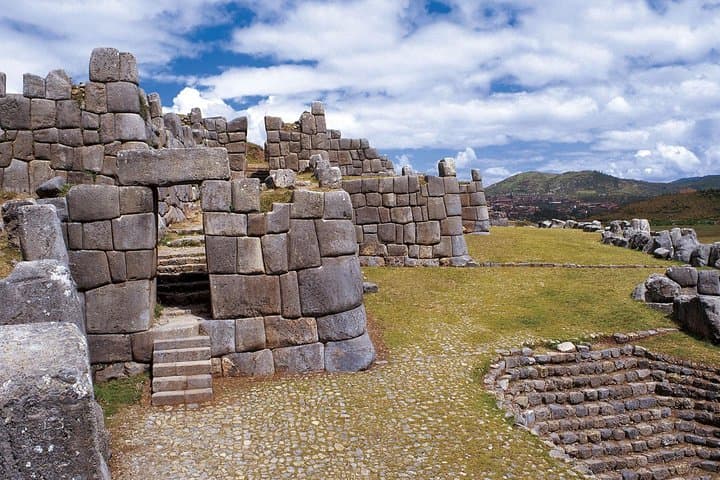
Dawn drops cool air over Cusco as the first minivans thread uphill toward Sacsayhuamán, where folded stone walls rise like a manmade cliff against the sky.
Verified experiences and guided adventures in the surrounding area.
Operated by Inti Sun Trek · Cusco, Cusco
Dawn drops cool air over Cusco as the first minivans thread uphill toward Sacsayhuamán, where folded stone walls rise like a manmade cliff against the sky.
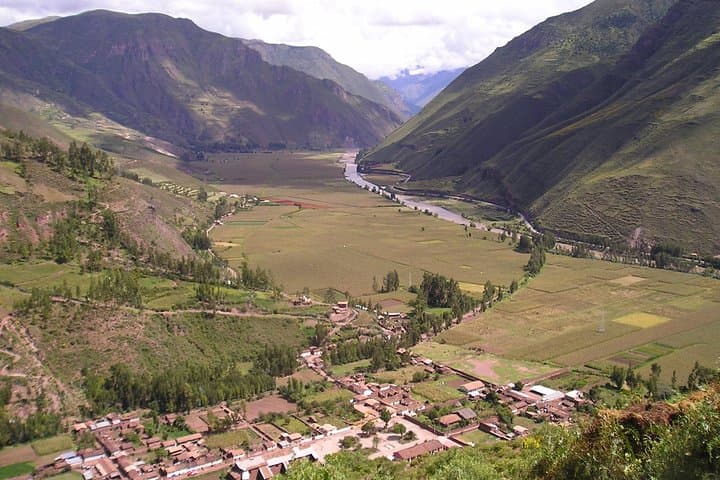
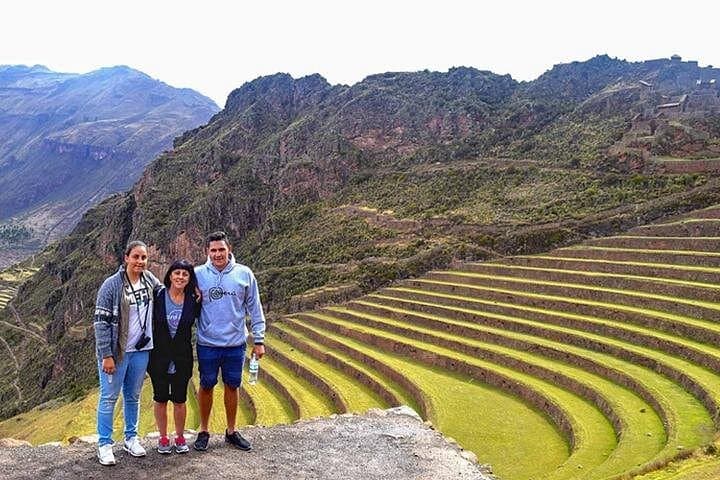
This full-day loop stitches together the highland drama of Sacsayhuamán and Q’enQo with the agricultural sweep of the Urubamba Valley and the living villages of Pisac, Ollantaytambo and Chinchero. Geologically, the valley is a river-cut trough of alluvial soils that fueled Inca terrace agriculture; archaeologically, it’s an open gallery of Inca masonry—from the massive, interlocking boulders of Sacsayhuamán to the finely cut niches and water channels at Tambomachay and Puca Pucara.
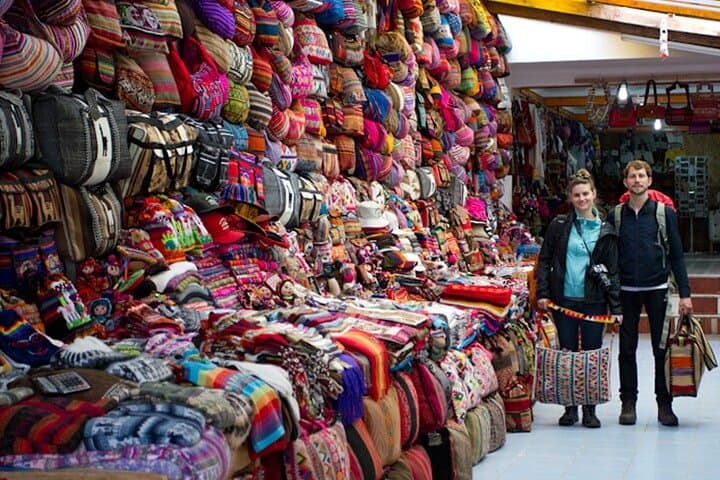
Cultural threads are visible everywhere: Quechua-speaking vendors in Pisac market, women demonstrating backstrap weaving in Chinchero, and the persistent ritual landscape of Q’enQo’s carved rock. Visitors see how the Incas engineered water, roads (Qhapaq Ñan) and terraces to suit steep geography and high altitude.
Practicalities matter on a day like this. Tours generally run 7:00 a.m. to about 6:30–7:00 p.m., include hotel pickup (30–60 minutes prior), and provide a guide and transport; the Cusco Tourist Ticket (Boleto Turístico, ~130 soles) is required for many entrances and is purchased separately. Expect guided stops of roughly 40 minutes with short windows for independent exploration; lunch in Urubamba is not included. Bring a water bottle, layered clothing for variable mountain weather, cash for markets and tickets, and allow time to acclimatize—the itinerary covers 3,700–4,000+ meters at points.
easy.
10–12 hours.
Suitable for most fitness levels but expect repeated short walks on uneven, high-altitude stonework; basic stamina and mobility required.
Yes — many sites on this itinerary require the full or partial Boleto Turístico, typically purchased separately for around 130 soles.
No — lunch is not included; tours usually stop in Urubamba where you can buy food or bring snacks for the day.
Tours commonly start at about 7:00 a.m.; hotel pickups begin roughly 30–60 minutes before departure time and are included.
The tour visits sites between ~3,700–4,000+ meters; take time to acclimatize, hydrate, avoid strenuous effort on arrival day, and consult a doctor about medication if you’re prone to altitude sickness.
The Sacred Valley was central to Inca agriculture and travel—the Incas developed terraces, aqueducts and roads here to support Cusco’s empire and ritual centers.
High visitor numbers stress fragile stonework and ecosystems; stick to marked paths, avoid touching carved surfaces, and support local conservation through entry fees and responsible purchases.
Inti Sun Trek operates guided outdoor trips and adventures with an emphasis on safety, stewardship, and memorable experiences.
Dawn drops cool air over Cusco as the first minivans thread uphill toward Sacsayhuamán, where folded stone walls rise like a manmade cliff against the sky.
Dawn drops cool air over Cusco as the first minivans thread uphill toward Sacsayhuamán, where folded stone walls rise like a manmade cliff against the sky.
This full-day loop stitches together the highland drama of Sacsayhuamán and Q’enQo with the agricultural sweep of the Urubamba Valley and the living villages of Pisac, Ollantaytambo and Chinchero. Geologically, the valley is a river-cut trough of alluvial soils that fueled Inca terrace agriculture; archaeologically, it’s an open gallery of Inca masonry—from the massive, interlocking boulders of Sacsayhuamán to the finely cut niches and water channels at Tambomachay and Puca Pucara.
Cultural threads are visible everywhere: Quechua-speaking vendors in Pisac market, women demonstrating backstrap weaving in Chinchero, and the persistent ritual landscape of Q’enQo’s carved rock. Visitors see how the Incas engineered water, roads (Qhapaq Ñan) and terraces to suit steep geography and high altitude.
Practicalities matter on a day like this. Tours generally run 7:00 a.m. to about 6:30–7:00 p.m., include hotel pickup (30–60 minutes prior), and provide a guide and transport; the Cusco Tourist Ticket (Boleto Turístico, ~130 soles) is required for many entrances and is purchased separately. Expect guided stops of roughly 40 minutes with short windows for independent exploration; lunch in Urubamba is not included. Bring a water bottle, layered clothing for variable mountain weather, cash for markets and tickets, and allow time to acclimatize—the itinerary covers 3,700–4,000+ meters at points.