THE ADVENTURE COLLECTIVE® · Independent discovery and booking for outdoor travel

A one-day circuit through the Sacred Valley that links Chinchero, Moray, Maras, Ollantaytambo and Pisac with expert interpretation and a buffet lunch in Urubamba. Expect terraces, salt pans, Inca engineering and lively artisan markets over a long but accessible day.
A one-day circuit through the Sacred Valley that links Chinchero, Moray, Maras, Ollantaytambo and Pisac with expert interpretation and a buffet lunch in Urubamba. Expect terraces, salt pans, Inca engineering and lively artisan markets over a long but accessible day.
You step out onto Cusco’s Plaza de Armas at first light and the high valley exhales—cool air, a chorus of market vendors, and the steady hum of a minivan preparing to roll east into the Andes.
Verified experiences and guided adventures in the surrounding area.
Operated by Peru Cultour Alternative Tours · Cusco, Cusco
You step out onto Cusco’s Plaza de Armas at first light and the high valley exhales—cool air, a chorus of market vendors, and the steady hum of a minivan preparing to roll east into the Andes.
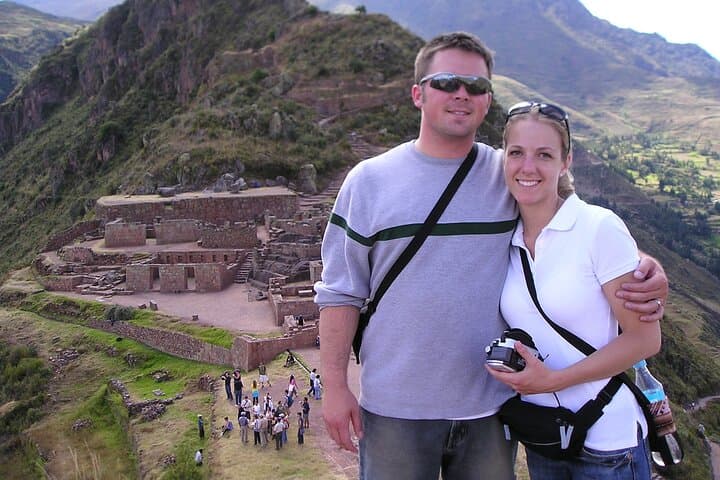
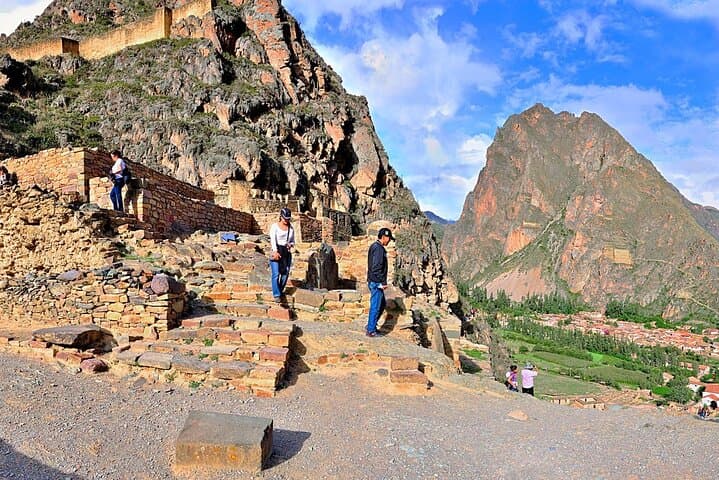
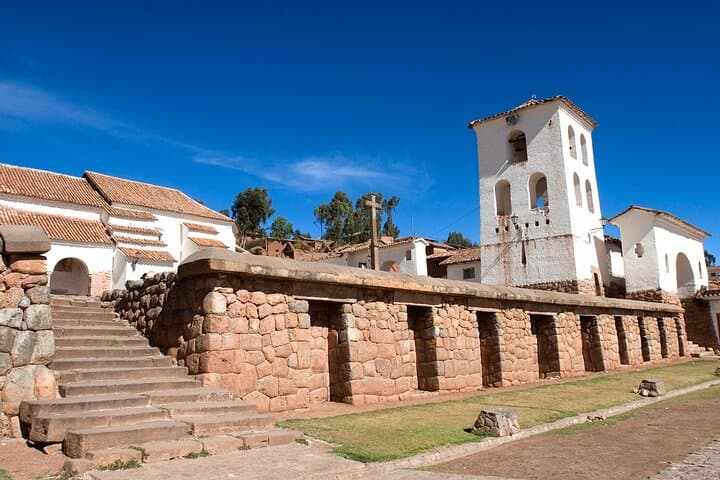
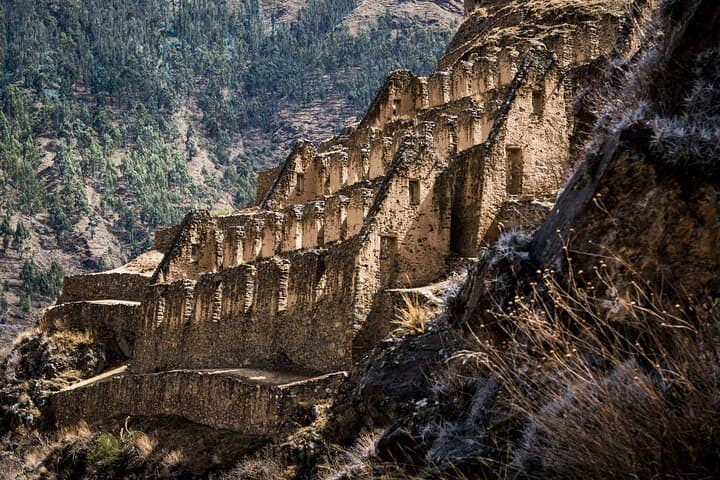
By midmorning the landscape opens: terraces carving the hills like stepped fingers, the circular amphitheaters of Moray appearing like experiments in soil and climate, and at Maras thousands of salt pans glittering against brown slopes. Markets in Pisac and Chinchero push color and craft into the air—woven collars, dyed yarn, and the scent of roasted corn. Ollantaytambo’s fortress rises with the stubborn geometry of Inca stonework; here the valley’s agricultural logic and military planning are both readable in one sweep of terraces and ramp.
Geology and history are folded together: glacial and river action created the valley floor, and the Incas engineered microclimates with terraces and water channels. Local communities maintain traditional weaving techniques and salt-harvesting methods that predate the Spanish era.
Practical guidance: expect a long day (roughly 12 hours) with multiple short walks and stair sections — comfortable walking shoes and layered clothes are essential. Altitude is real: hydrate, eat slowly, and keep aspirin or altitude meds if you’re prone to headaches. Carry small bills for market purchases and a compact daypack for layers, sunscreen, and water.
This is a culturally dense, easy-to-navigate land-adventure: plan for early pickup, steady pacing through sites, and time to browse artisan stalls. Respect local customs, leave no trace in fragile salt flats and terraces, and let the valley teach you its measured pace.
moderate.
12 hours.
Suitable for people with basic fitness; involves several short walks, stairs, and standing at ruins and markets.
The full-day tour runs about 12 hours; typical schedule is pickup at 7:00 am in Cusco and return around 7:00 pm.
Yes — a traditional buffet lunch in Urubamba is included in the tour price.
Children can join but infants should sit on laps; parts of the itinerary involve stairs and uneven terrain so it’s not ideal for those with significant mobility limitations.
Bring some soles for markets and small vendors—cards are accepted at some restaurants but not at most artisan stalls and salt pan sites.
The Sacred Valley was central to Inca food production: terraces and Moray’s circular depressions were used experimentally to manipulate microclimates for crops.
Visit responsibly—stick to marked paths, avoid stepping on fragile terrace edges, and support local cooperatives and salar workers who rely on tourism income.
Peru Cultour Alternative Tours operates guided outdoor trips and adventures with an emphasis on safety, stewardship, and memorable experiences.
You step out onto Cusco’s Plaza de Armas at first light and the high valley exhales—cool air, a chorus of market vendors, and the steady hum of a minivan preparing to roll east into the Andes.
You step out onto Cusco’s Plaza de Armas at first light and the high valley exhales—cool air, a chorus of market vendors, and the steady hum of a minivan preparing to roll east into the Andes.
By midmorning the landscape opens: terraces carving the hills like stepped fingers, the circular amphitheaters of Moray appearing like experiments in soil and climate, and at Maras thousands of salt pans glittering against brown slopes. Markets in Pisac and Chinchero push color and craft into the air—woven collars, dyed yarn, and the scent of roasted corn. Ollantaytambo’s fortress rises with the stubborn geometry of Inca stonework; here the valley’s agricultural logic and military planning are both readable in one sweep of terraces and ramp.
Geology and history are folded together: glacial and river action created the valley floor, and the Incas engineered microclimates with terraces and water channels. Local communities maintain traditional weaving techniques and salt-harvesting methods that predate the Spanish era.
Practical guidance: expect a long day (roughly 12 hours) with multiple short walks and stair sections — comfortable walking shoes and layered clothes are essential. Altitude is real: hydrate, eat slowly, and keep aspirin or altitude meds if you’re prone to headaches. Carry small bills for market purchases and a compact daypack for layers, sunscreen, and water.
This is a culturally dense, easy-to-navigate land-adventure: plan for early pickup, steady pacing through sites, and time to browse artisan stalls. Respect local customs, leave no trace in fragile salt flats and terraces, and let the valley teach you its measured pace.