THE ADVENTURE COLLECTIVE® · Independent discovery and booking for outdoor travel

Ride 12 miles through the Sacred Valley to Moray’s circular terraces and the salt pans of Maras. This one-day tour mixes highland geology, Inka agricultural history, and manageable off-road cycling for moderately fit travelers.
Ride 12 miles through the Sacred Valley to Moray’s circular terraces and the salt pans of Maras. This one-day tour mixes highland geology, Inka agricultural history, and manageable off-road cycling for moderately fit travelers.
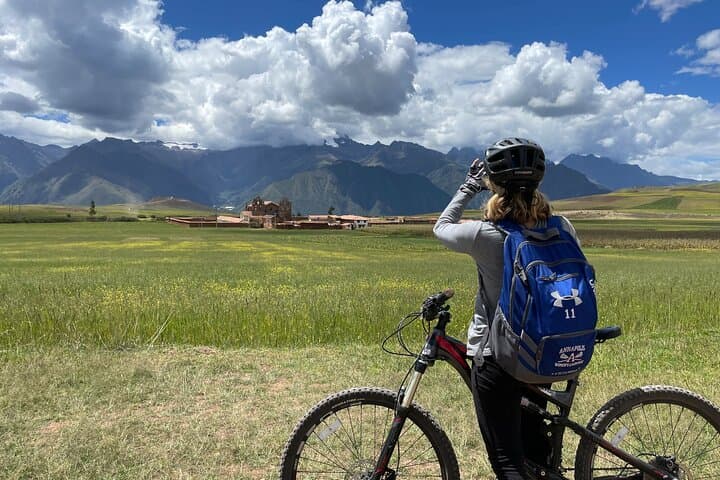
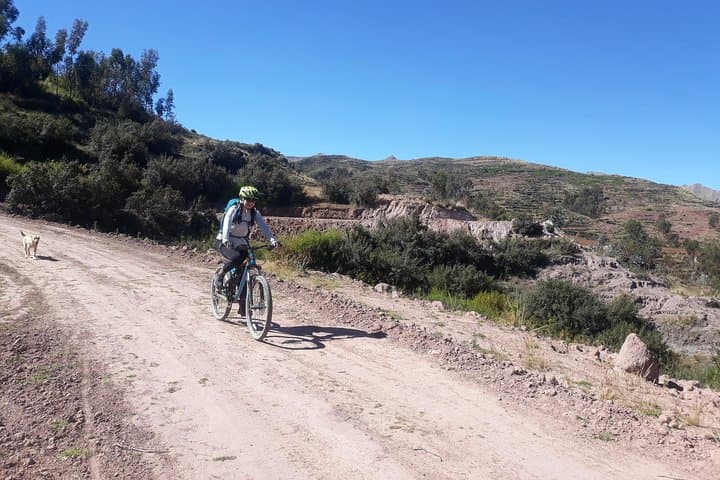
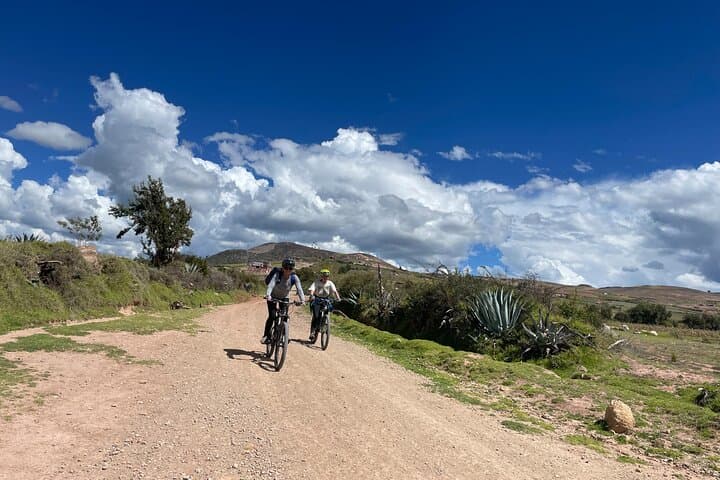
A cold highland wind moves down the valley as cyclists push pedals along a low-traffic dirt road, the Andes folding into stair-stepped ridges on either side. Dust lifts in the wake of a small group riding between salt pans and circular terraced bowls; birds call from scrub and the distant thaw of irrigation channels clicks like small machinery.
Verified experiences and guided adventures in the surrounding area.
Operated by Aita Peru Adventures · Maras, Cusco Region
A cold highland wind moves down the valley as cyclists push pedals along a low-traffic dirt road, the Andes folding into stair-stepped ridges on either side. Dust lifts in the wake of a small group riding between salt pans and circular terraced bowls; birds call from scrub and the distant thaw of irrigation channels clicks like small machinery.
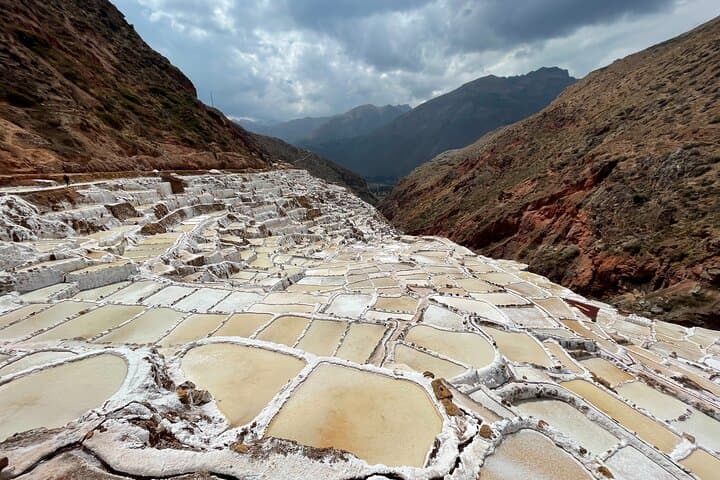
This one-day ride threads classic Sacred Valley highlights — the concentric agricultural amphitheaters at Moray and the salt evaporation pools at Maras — places shaped by Inka experimentation and local labor across centuries. The bowl-like Moray depressions are geological and agricultural curiosities carved from erosion and human masonry; Maras’ salt pans sit on a mineral-rich slope where spring water has been harvested with ancestral techniques for generations.
Culturally, the valley remains a working landscape: Quechua-speaking communities, terraced fields, and roadside stands selling fresh fruit and textiles. Expect open puna grasslands, short sections of singletrack and gravel, and sustained altitude between 3,300–3,800 m that makes every climb feel longer.
Practically: the route is roughly 12 miles (≈19 km) of mixed dirt and gravel with occasional short steep pitches. Riders should pace themselves, hydrate often, and layer for temperature swings — sun can be intense midday while mornings are sharply cool. Guides typically provide bikes, helmets, lunch, transport, and entrance fees, but bring sun protection, cash for snacks, and a basic sense of bike handling on loose surfaces. This is a scenic, moderate-altitude ride suited to people comfortable riding off-pavement for several hours.
moderate.
7–10 hours.
Moderately fit — able to ride 12 miles on mixed dirt at high elevation and handle short steep sections.
Typical inclusions are mountain bike, helmet and gloves, specialist guide, transportation from the pickup point, entrance tickets to Maras and Moray, and lunch.
Families with children over 10 can join if the child is comfortable on a bike for several hours and can handle short climbs; check with providers about child-sized bikes and supervision.
The route sits between about 3,300–3,800 m; expect heavier breathing and slower pace — rest often, hydrate, and avoid overexertion on the first day in the region.
Mixed dirt and gravel roads with short singletrack sections and occasional steep pitches; good tires and basic off-road handling skills are helpful.
Moray is believed to have been an Inka agricultural research site with concentric terraces creating microclimates; Maras’ salt pans have been harvested since pre-Hispanic times using spring-fed channels.
Stay on established paths to protect fragile puna vegetation and avoid stepping on terrace edges; support local economies by buying from village vendors and respecting water use of salt families.
Aita Peru Adventures operates guided outdoor trips and adventures with an emphasis on safety, stewardship, and memorable experiences.
A cold highland wind moves down the valley as cyclists push pedals along a low-traffic dirt road, the Andes folding into stair-stepped ridges on either side. Dust lifts in the wake of a small group riding between salt pans and circular terraced bowls; birds call from scrub and the distant thaw of irrigation channels clicks like small machinery.
A cold highland wind moves down the valley as cyclists push pedals along a low-traffic dirt road, the Andes folding into stair-stepped ridges on either side. Dust lifts in the wake of a small group riding between salt pans and circular terraced bowls; birds call from scrub and the distant thaw of irrigation channels clicks like small machinery.
This one-day ride threads classic Sacred Valley highlights — the concentric agricultural amphitheaters at Moray and the salt evaporation pools at Maras — places shaped by Inka experimentation and local labor across centuries. The bowl-like Moray depressions are geological and agricultural curiosities carved from erosion and human masonry; Maras’ salt pans sit on a mineral-rich slope where spring water has been harvested with ancestral techniques for generations.
Culturally, the valley remains a working landscape: Quechua-speaking communities, terraced fields, and roadside stands selling fresh fruit and textiles. Expect open puna grasslands, short sections of singletrack and gravel, and sustained altitude between 3,300–3,800 m that makes every climb feel longer.
Practically: the route is roughly 12 miles (≈19 km) of mixed dirt and gravel with occasional short steep pitches. Riders should pace themselves, hydrate often, and layer for temperature swings — sun can be intense midday while mornings are sharply cool. Guides typically provide bikes, helmets, lunch, transport, and entrance fees, but bring sun protection, cash for snacks, and a basic sense of bike handling on loose surfaces. This is a scenic, moderate-altitude ride suited to people comfortable riding off-pavement for several hours.