THE ADVENTURE COLLECTIVE® · Independent discovery and booking for outdoor travel

Two days of highland adrenaline and ancient stone: ATV across the Sacred Valley’s terraces and salt pans, then travel by train and stand inside Machu Picchu’s extraordinary ruins. This compact itinerary blends hands-on riding with cultural context and expert guiding.
Two days of highland adrenaline and ancient stone: ATV across the Sacred Valley’s terraces and salt pans, then travel by train and stand inside Machu Picchu’s extraordinary ruins. This compact itinerary blends hands-on riding with cultural context and expert guiding.
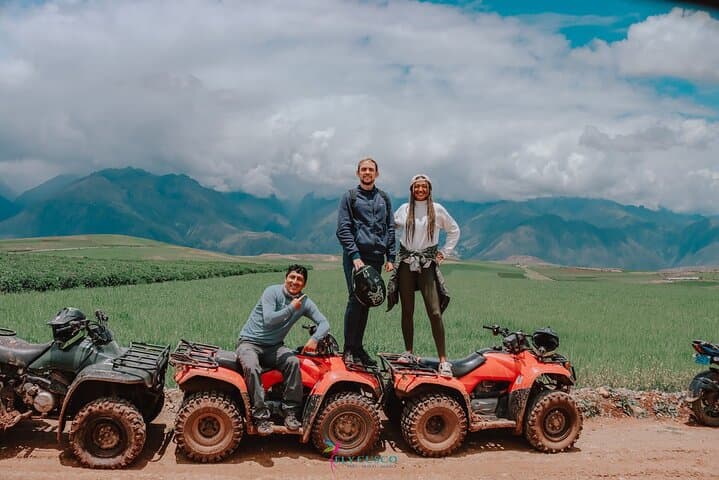
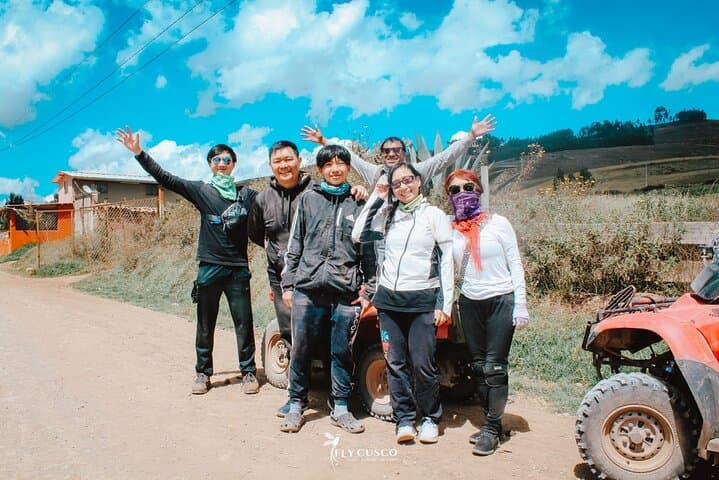
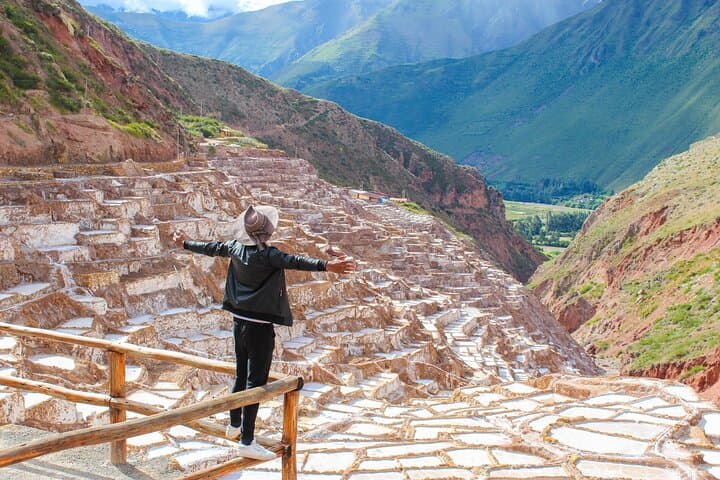
The morning air bites with altitude as you leave Cusco’s stone streets and climb into the Sacred Valley. Your ATV kicks up dust on high, stony tracks while terraced hills lean into the skyline like pages of an old map. By mid-morning the engine hushes and the landscape takes over — concentric Inca terraces at Moray rotating through microclimates, then the geometric salt pans of Maras glittering like a patchwork of tiny mirrors.
Verified experiences and guided adventures in the surrounding area.
Operated by FLY CUSCO Perú Travel Agency · Cusco, Cusco
The morning air bites with altitude as you leave Cusco’s stone streets and climb into the Sacred Valley. Your ATV kicks up dust on high, stony tracks while terraced hills lean into the skyline like pages of an old map. By mid-morning the engine hushes and the landscape takes over — concentric Inca terraces at Moray rotating through microclimates, then the geometric salt pans of Maras glittering like a patchwork of tiny mirrors.
This route threads Inca agricultural ingenuity, Spanish-colonial history, and Andean geology. Moray’s circular amphitheaters are an engineered experiment in crop microclimates; Maras’ salt pans exploit a natural saline spring channeled through terraced pools since pre-Hispanic times. Ollantaytambo’s fortress-town reveals both military planning and living Quechua culture still active in market stalls and weaving centers.
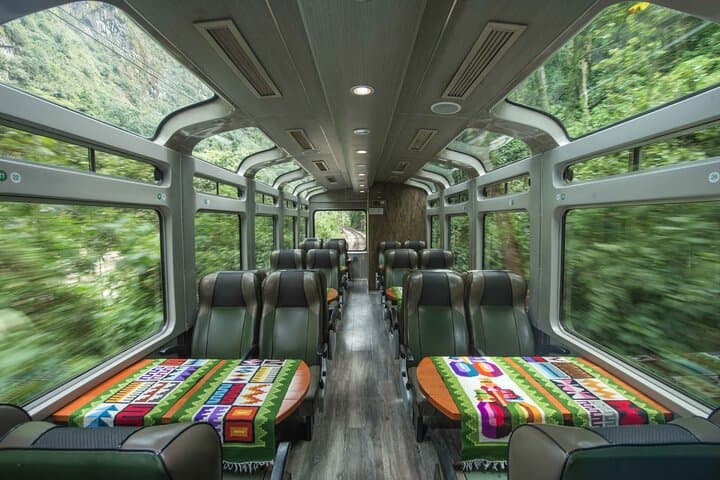
Practically, expect two days of mixed activity: an ATV loop with short guided stops (helmets and gloves provided), a relaxed buffet lunch in the valley, an afternoon train ride through steep river canyons to Aguas Calientes, and a guided visit to Machu Picchu the following morning. Altitude matters — Cusco sits around 3,400 m, Sacred Valley 2,800–3,000 m, and Machu Picchu near 2,430 m — so hydrate, move deliberately, and pace the hikes among the ruins.
Bring layered clothing, sun protection, closed-toe shoes for the ATV and uneven stone streets, and a small daypack for water and essentials. The itinerary suits travelers who want high-energy exploration combined with cultural depth and a classic rail approach to Machu Picchu.
moderate.
2 days.
Light-to-moderate fitness recommended; able to handle short hikes on uneven stone and several hours on an ATV while managing altitude.
No — basic instruction and safety equipment are provided; a short practice session precedes the route, but comfortable handling helps.
Altitude can cause breathlessness and headaches; allow time in Cusco to acclimatize, hydrate, and avoid overexertion on day one.
Yes — the itinerary includes the Machu Picchu entrance ticket and a guided visit on day two.
Various classes on the Ollantaytambo–Aguas Calientes route can be selected at booking, from standard to panoramic Vistadome services.
The Sacred Valley supported Inca agricultural innovation—sites like Moray functioned as experimental terraces creating stepped microclimates for crops; Ollantaytambo was a strategic stronghold during the Spanish conquest.
Machu Picchu is part of a protected sanctuary with visitor limits to reduce erosion and cultural impact; stick to marked trails, avoid single-use plastics, and respect local guidelines.
FLY CUSCO Perú Travel Agency operates guided outdoor trips and adventures with an emphasis on safety, stewardship, and memorable experiences.
The morning air bites with altitude as you leave Cusco’s stone streets and climb into the Sacred Valley. Your ATV kicks up dust on high, stony tracks while terraced hills lean into the skyline like pages of an old map. By mid-morning the engine hushes and the landscape takes over — concentric Inca terraces at Moray rotating through microclimates, then the geometric salt pans of Maras glittering like a patchwork of tiny mirrors.
The morning air bites with altitude as you leave Cusco’s stone streets and climb into the Sacred Valley. Your ATV kicks up dust on high, stony tracks while terraced hills lean into the skyline like pages of an old map. By mid-morning the engine hushes and the landscape takes over — concentric Inca terraces at Moray rotating through microclimates, then the geometric salt pans of Maras glittering like a patchwork of tiny mirrors.
This route threads Inca agricultural ingenuity, Spanish-colonial history, and Andean geology. Moray’s circular amphitheaters are an engineered experiment in crop microclimates; Maras’ salt pans exploit a natural saline spring channeled through terraced pools since pre-Hispanic times. Ollantaytambo’s fortress-town reveals both military planning and living Quechua culture still active in market stalls and weaving centers.
Practically, expect two days of mixed activity: an ATV loop with short guided stops (helmets and gloves provided), a relaxed buffet lunch in the valley, an afternoon train ride through steep river canyons to Aguas Calientes, and a guided visit to Machu Picchu the following morning. Altitude matters — Cusco sits around 3,400 m, Sacred Valley 2,800–3,000 m, and Machu Picchu near 2,430 m — so hydrate, move deliberately, and pace the hikes among the ruins.
Bring layered clothing, sun protection, closed-toe shoes for the ATV and uneven stone streets, and a small daypack for water and essentials. The itinerary suits travelers who want high-energy exploration combined with cultural depth and a classic rail approach to Machu Picchu.