THE ADVENTURE COLLECTIVE® · Independent discovery and booking for outdoor travel

Experience the Sacred Valley’s terraces, Moray’s circular agricultural labs and the glittering Maras salt pans in one full day from Cusco. This guided tour pairs archeology, living crafts and a buffet lunch in Urubamba — a practical, culture-rich introduction to Inca ingenuity.
Experience the Sacred Valley’s terraces, Moray’s circular agricultural labs and the glittering Maras salt pans in one full day from Cusco. This guided tour pairs archeology, living crafts and a buffet lunch in Urubamba — a practical, culture-rich introduction to Inca ingenuity.
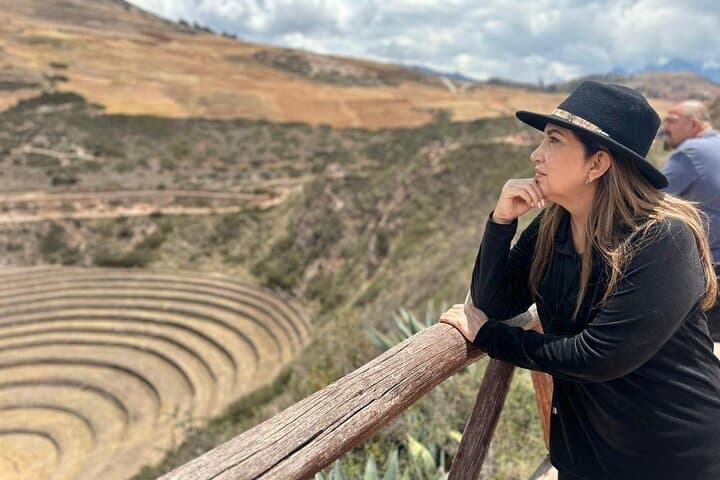
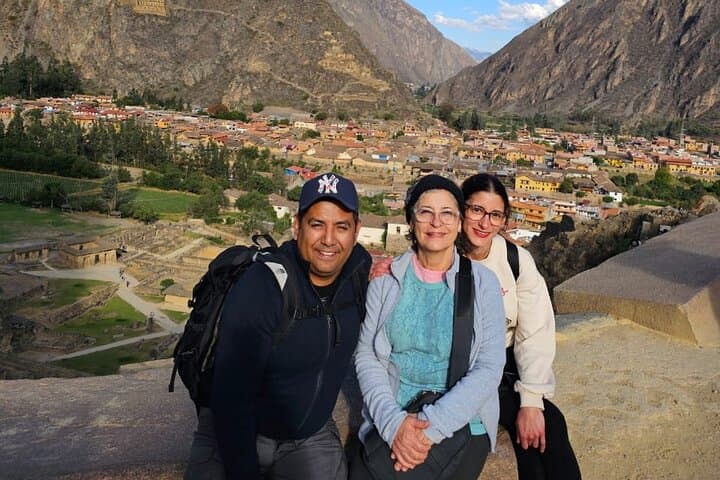
Dawn in Cusco is cool and clear; at 6:40 a.m. the minivan pulls away through cobbled streets and the Andes open like a working map. The Sacred Valley unfurls — terraces step down toward the Urubamba River, salt pans glitter on a hillside, and the circular bowls of Moray drop away into shadow. You move from colonial plazas to Inca fields in a single day.
Verified experiences and guided adventures in the surrounding area.
Operated by WPeru-Travel · Urubamba, Cusco Region
Dawn in Cusco is cool and clear; at 6:40 a.m. the minivan pulls away through cobbled streets and the Andes open like a working map. The Sacred Valley unfurls — terraces step down toward the Urubamba River, salt pans glitter on a hillside, and the circular bowls of Moray drop away into shadow. You move from colonial plazas to Inca fields in a single day.
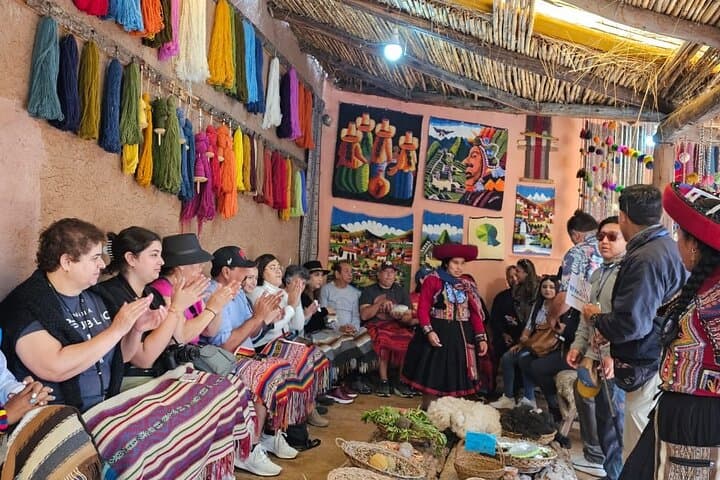
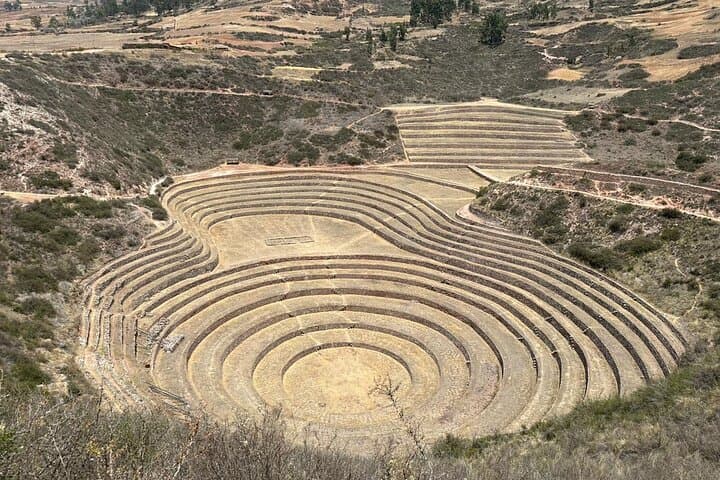
The route stitches together Inca ingenuity and colonial adaptation. Chinchero’s church sits on an Inca plaza built above agricultural terraces; Moray reads like an open-air laboratory where concentric terraces created microclimates for crop trials; the Maras salt pans are hand-cut basins fed by a saline spring and harvested the same way for centuries. Textile workshops show natural-dye techniques using cochineal and local plants, while silversmiths keep metalwork traditions alive.
Expect roughly 11–12 hours touring at high altitude — sites sit between ~2,800–3,600 m elevation — with multiple short walks on dirt and stone. The day includes a buffet lunch in Urubamba and market stops for local chocolate with Maras salt and alpaca textiles. Guides explain terrace hydraulics, salt production, and weaving practices, tying landscape to livelihood.
Plan for sun, sudden wind, and thin air: layer clothing, carry water, and bring cash for small purchases. The itinerary is accessible for most fitness levels but not recommended for those with serious heart or back issues. The pace is steady: arrive prepared to walk on uneven ground, ask questions at textile centers, and let the valley’s working landscape push you to look closer.
easy.
11–12 hours.
Suitable for travelers in average shape; involves multiple short walks and some uneven ground at altitude
Pickup is typically in central Cusco (Plaza Regocijo area) between 6:40–6:50 a.m.; the tour returns to the same meeting point in the evening.
Admission to major archaeological sites is often managed separately; confirm with the operator whether tickets are included or if you need a Boleto Turístico.
The tour is paced for general audiences with short walks, but not recommended for those with serious heart or spinal problems; infants must sit on an adult’s lap during transportation.
Yes — stops include textile workshops, the Maras market and silversmiths; bring local currency and be prepared to bargain moderately.
The valley was a core agricultural and administrative region for the Incas; Moray likely served as an experimental station to trial crop microclimates.
Visitors should stick to marked paths to protect fragile terraces and avoid buying wildlife-derived souvenirs; local communities rely on tourism income to maintain traditional practices.
WPeru-Travel operates guided outdoor trips and adventures with an emphasis on safety, stewardship, and memorable experiences.
Dawn in Cusco is cool and clear; at 6:40 a.m. the minivan pulls away through cobbled streets and the Andes open like a working map. The Sacred Valley unfurls — terraces step down toward the Urubamba River, salt pans glitter on a hillside, and the circular bowls of Moray drop away into shadow. You move from colonial plazas to Inca fields in a single day.
Dawn in Cusco is cool and clear; at 6:40 a.m. the minivan pulls away through cobbled streets and the Andes open like a working map. The Sacred Valley unfurls — terraces step down toward the Urubamba River, salt pans glitter on a hillside, and the circular bowls of Moray drop away into shadow. You move from colonial plazas to Inca fields in a single day.
The route stitches together Inca ingenuity and colonial adaptation. Chinchero’s church sits on an Inca plaza built above agricultural terraces; Moray reads like an open-air laboratory where concentric terraces created microclimates for crop trials; the Maras salt pans are hand-cut basins fed by a saline spring and harvested the same way for centuries. Textile workshops show natural-dye techniques using cochineal and local plants, while silversmiths keep metalwork traditions alive.
Expect roughly 11–12 hours touring at high altitude — sites sit between ~2,800–3,600 m elevation — with multiple short walks on dirt and stone. The day includes a buffet lunch in Urubamba and market stops for local chocolate with Maras salt and alpaca textiles. Guides explain terrace hydraulics, salt production, and weaving practices, tying landscape to livelihood.
Plan for sun, sudden wind, and thin air: layer clothing, carry water, and bring cash for small purchases. The itinerary is accessible for most fitness levels but not recommended for those with serious heart or back issues. The pace is steady: arrive prepared to walk on uneven ground, ask questions at textile centers, and let the valley’s working landscape push you to look closer.