THE ADVENTURE COLLECTIVE® · Independent discovery and booking for outdoor travel

This compact four-day itinerary links Cusco with the archaeological riches of the Sacred Valley and a guided visit to Machu Picchu. Expect high-altitude terraces, Inca engineering, and practical tips for acclimatizing and timing your visit.
This compact four-day itinerary links Cusco with the archaeological riches of the Sacred Valley and a guided visit to Machu Picchu. Expect high-altitude terraces, Inca engineering, and practical tips for acclimatizing and timing your visit.
You step off the train and the mist parts to reveal stepped terraces clinging to a green spine of rock; the air is thin, cool, and carries a river’s laugh from the valley below.
Verified experiences and guided adventures in the surrounding area.
Operated by MAPI TOURS TRAVEL · Cusco, Cusco Region
You step off the train and the mist parts to reveal stepped terraces clinging to a green spine of rock; the air is thin, cool, and carries a river’s laugh from the valley below.
This four-day loop threads the high-Andean towns of Cusco, Pisac, Ollantaytambo and Chinchero with a full-day visit to Machu Picchu—an Inca citadel carved into a granite ridge in the 15th century. The Sacred Valley follows the Vilcanota River, a dynamic force that shaped agricultural terraces and trade routes and still dares you to follow its channel by trail or rail.
Geology here is raw: exposed granite and folded metamorphic rocks create steep ridgelines and natural drainage that the Incas engineered into irrigation and terrace systems. Cultural highlights include Pisac’s high terraces and market traditions, Ollantaytambo’s fortress-like urban planning, and Chinchero’s colonial church set above pre-Columbian textile workshops.
Practical guidance: plan at least one full day for Machu Picchu itself and allow 48–72 hours in Cusco beforehand to acclimatize to 3,400 m. Morning entries to Machu Picchu reduce crowds and catch softer light; trains to Aguas Calientes define your arrival and departure windows. Expect basic 3-star lodging and included breakfasts as part of the program; higher comfort options require advance requests.
Bring sturdy footwear for uneven stonework, layered clothing for rapid temperature swings, and a refillable water bottle. Respect marked paths—these sites are archaeologically sensitive—and budget time for market visits and short, high-altitude walks that reveal valley vistas between villages.
moderate.
4 days.
Light to moderate cardiovascular fitness; able to walk on uneven stone paths and manage short uphill sections at altitude.
No; the itinerary is suitable for most fitness levels, but some walking on uneven, high-altitude terrain is required.
Check booking details—this operator’s itinerary lists guided time at Machu Picchu but individual ticket inclusion can vary; confirm before travel.
Dry season (May–September) offers more stable weather and clearer views, while the shoulder months provide fewer crowds but occasional rain.
Plan 24–48 hours in Cusco before heavy exertion; sip water, avoid alcohol, and take easy walks to adjust.
Machu Picchu was built by the Incas in the mid-1400s and functions as an example of sophisticated agricultural and urban planning adapted to steep terrain.
Visitor caps and defined routes help protect fragile stonework and terraces; travel with a certified guide and avoid off-trail walking to minimize impact.
MAPI TOURS TRAVEL operates guided outdoor trips and adventures with an emphasis on safety, stewardship, and memorable experiences.
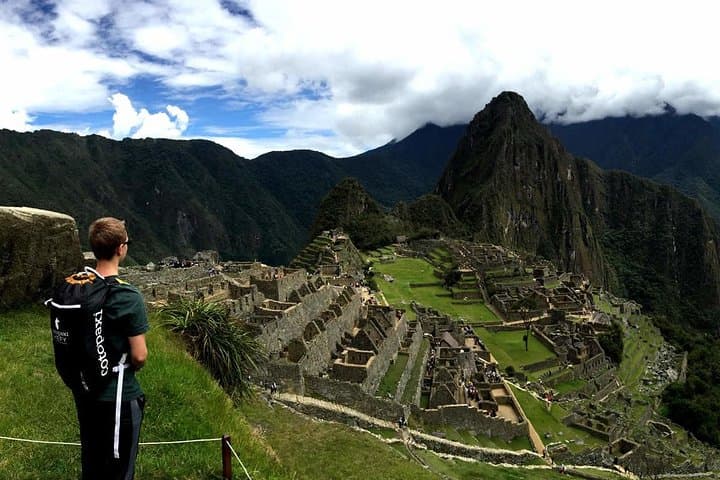
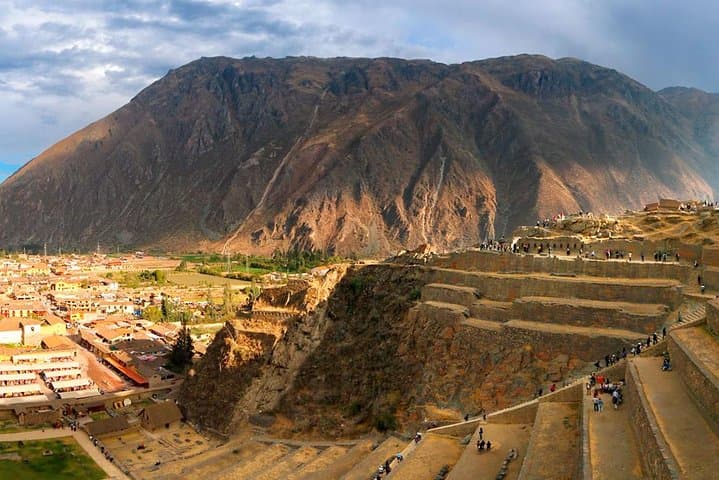
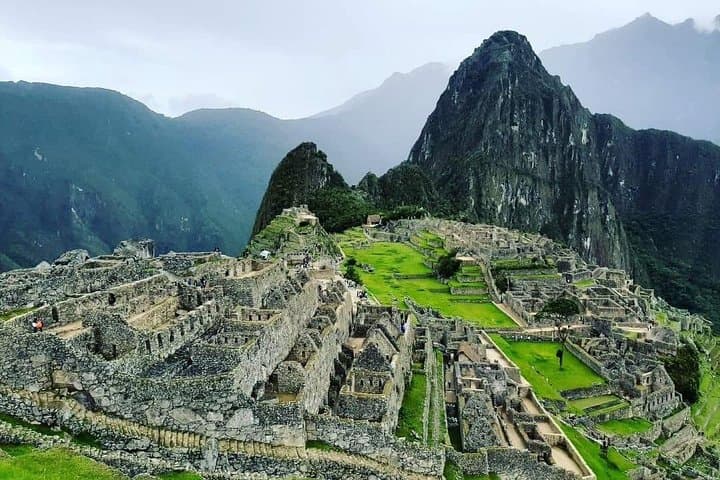
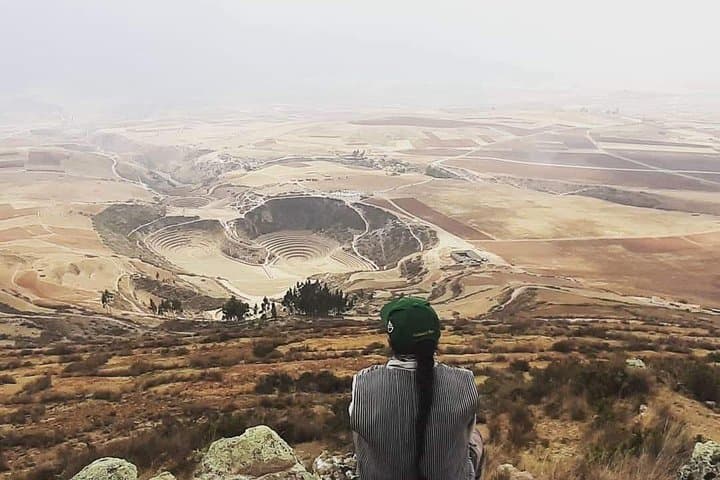
You step off the train and the mist parts to reveal stepped terraces clinging to a green spine of rock; the air is thin, cool, and carries a river’s laugh from the valley below.
You step off the train and the mist parts to reveal stepped terraces clinging to a green spine of rock; the air is thin, cool, and carries a river’s laugh from the valley below.
This four-day loop threads the high-Andean towns of Cusco, Pisac, Ollantaytambo and Chinchero with a full-day visit to Machu Picchu—an Inca citadel carved into a granite ridge in the 15th century. The Sacred Valley follows the Vilcanota River, a dynamic force that shaped agricultural terraces and trade routes and still dares you to follow its channel by trail or rail.
Geology here is raw: exposed granite and folded metamorphic rocks create steep ridgelines and natural drainage that the Incas engineered into irrigation and terrace systems. Cultural highlights include Pisac’s high terraces and market traditions, Ollantaytambo’s fortress-like urban planning, and Chinchero’s colonial church set above pre-Columbian textile workshops.
Practical guidance: plan at least one full day for Machu Picchu itself and allow 48–72 hours in Cusco beforehand to acclimatize to 3,400 m. Morning entries to Machu Picchu reduce crowds and catch softer light; trains to Aguas Calientes define your arrival and departure windows. Expect basic 3-star lodging and included breakfasts as part of the program; higher comfort options require advance requests.
Bring sturdy footwear for uneven stonework, layered clothing for rapid temperature swings, and a refillable water bottle. Respect marked paths—these sites are archaeologically sensitive—and budget time for market visits and short, high-altitude walks that reveal valley vistas between villages.