THE ADVENTURE COLLECTIVE® · Independent discovery and booking for outdoor travel

Two days of engineered landscapes and mountain rail travel through the Sacred Valley, capped with a guided visit to Machu Picchu. This itinerary pairs Inca terraces, salt pans and Ollantaytambo’s living streets with a scenic train approach to the citadel.
Two days of engineered landscapes and mountain rail travel through the Sacred Valley, capped with a guided visit to Machu Picchu. This itinerary pairs Inca terraces, salt pans and Ollantaytambo’s living streets with a scenic train approach to the citadel.
The train eases out of the highland fog and the Sacred Valley unrolls beneath the windows: terraced fields, stone towns clinging to steep slopes, and the distant silhouette of Machu Picchu rising above cloud-lines.
Verified experiences and guided adventures in the surrounding area.
Operated by Machupicchu cusco · Aguas Calientes (Machu Picchu Pueblo), Cusco
The train eases out of the highland fog and the Sacred Valley unrolls beneath the windows: terraced fields, stone towns clinging to steep slopes, and the distant silhouette of Machu Picchu rising above cloud-lines.
On day one the itinerary threads through Chinchero—where a colonial church perches above Inca foundations—then on to the concentric agricultural labs of Moray and the pink-striped rows of Maras salt pans. At Ollantaytambo travelers move from terraces to streets that still show Inca urban planning, before boarding the afternoon train to Aguas Calientes and a night near the river.
History and geology are inseparable here: volcanic and tectonic forces carved the deep valley, and the Incas engineered microclimates with terraces and irrigation. Spanish colonial architecture overlays Inca masonry in local towns; traditional weaving and salt production continue as living crafts.
Practical guidance for the two-day rhythm: expect long days with short, guided walks at each stop, timed train windows, and altitude changes between Cusco (3,400 m) and the lower cloud forest around Aguas Calientes (2,040 m). Bring layers and a rain shell—the weather can flip fast—and plan for steep stone steps at archaeological sites.
The experience balances cultural immersion with accessible trekking: it's not a technical climb, but moderate fitness helps for uphill approaches and stepped ruins. Hydrate before departures, buy bus tickets up to the Machu Picchu entrance in advance if possible, and follow site rules—stay on marked paths and respect restricted access zones to preserve the ruins for future visitors.
moderate.
2 days (≈14 hours of guided touring).
Moderate fitness—comfortable walking on uneven stone, repeated short climbs and stairs.
Yes—foreign visitors must present the passport used to purchase the entrance ticket upon entry to Machu Picchu.
Yes—the tour includes train tickets from Ollantaytambo to Aguas Calientes and the return, as stated in the inclusions.
The guided walk around the main archaeological site is moderate: expect uneven stone steps and some uphill sections; no technical climbing is required for the standard circuit.
This tour is not recommended for pregnant travelers due to altitude changes and the physical demands of site visits.
The Sacred Valley was a strategic agricultural and administrative center for the Inca; many colonial structures in towns like Chinchero were built atop earlier Inca foundations.
Machu Picchu has strict visitor limits and one-way circuits—follow posted routes, avoid off-trail walking, and carry out all waste to minimize impact.
Machupicchu cusco operates guided outdoor trips and adventures with an emphasis on safety, stewardship, and memorable experiences.
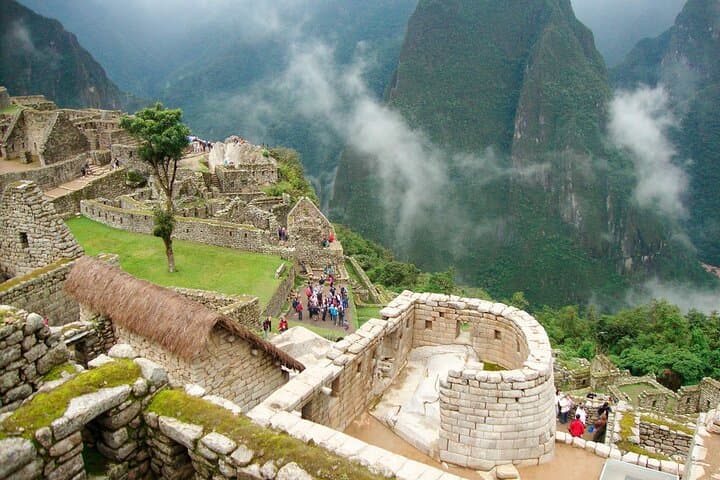

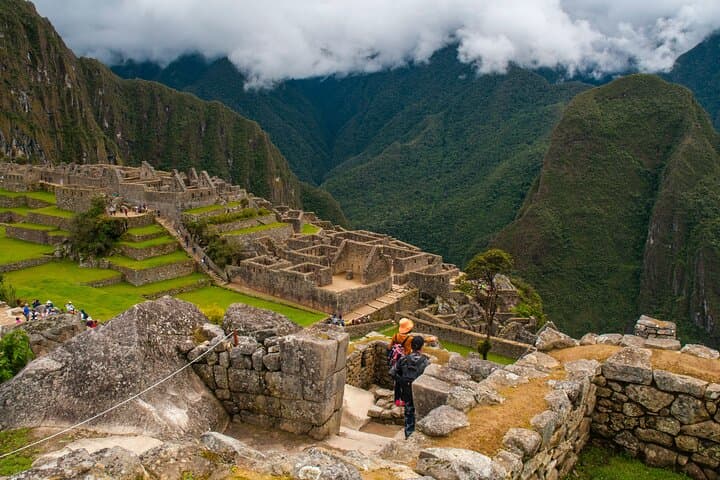

The train eases out of the highland fog and the Sacred Valley unrolls beneath the windows: terraced fields, stone towns clinging to steep slopes, and the distant silhouette of Machu Picchu rising above cloud-lines.
The train eases out of the highland fog and the Sacred Valley unrolls beneath the windows: terraced fields, stone towns clinging to steep slopes, and the distant silhouette of Machu Picchu rising above cloud-lines.
On day one the itinerary threads through Chinchero—where a colonial church perches above Inca foundations—then on to the concentric agricultural labs of Moray and the pink-striped rows of Maras salt pans. At Ollantaytambo travelers move from terraces to streets that still show Inca urban planning, before boarding the afternoon train to Aguas Calientes and a night near the river.
History and geology are inseparable here: volcanic and tectonic forces carved the deep valley, and the Incas engineered microclimates with terraces and irrigation. Spanish colonial architecture overlays Inca masonry in local towns; traditional weaving and salt production continue as living crafts.
Practical guidance for the two-day rhythm: expect long days with short, guided walks at each stop, timed train windows, and altitude changes between Cusco (3,400 m) and the lower cloud forest around Aguas Calientes (2,040 m). Bring layers and a rain shell—the weather can flip fast—and plan for steep stone steps at archaeological sites.
The experience balances cultural immersion with accessible trekking: it's not a technical climb, but moderate fitness helps for uphill approaches and stepped ruins. Hydrate before departures, buy bus tickets up to the Machu Picchu entrance in advance if possible, and follow site rules—stay on marked paths and respect restricted access zones to preserve the ruins for future visitors.