THE ADVENTURE COLLECTIVE® · Independent discovery and booking for outdoor travel

Two days of Inca stonework, artisan markets and a tourist-train ride culminate at Machu Picchu. This private itinerary pairs Sacred Valley highlights—Pisac, Ollantaytambo and Awanakancha—with a guided visit to the citadel, ideal for travelers short on time but hungry for context.
Two days of Inca stonework, artisan markets and a tourist-train ride culminate at Machu Picchu. This private itinerary pairs Sacred Valley highlights—Pisac, Ollantaytambo and Awanakancha—with a guided visit to the citadel, ideal for travelers short on time but hungry for context.
Dawn arrives thin and bright over terraced slopes as the train slips out of Ollantaytambo—steam of breath, the river below daring you to look away. In two days the itinerary threads market stalls, living fiber workshops and ancient stonework, ending at the ridgeline citadel everyone has seen in a photograph but few have truly felt.
Verified experiences and guided adventures in the surrounding area.
Operated by All Tours Peru · Aguas Calientes (Machu Picchu Pueblo), Cusco Region
Dawn arrives thin and bright over terraced slopes as the train slips out of Ollantaytambo—steam of breath, the river below daring you to look away. In two days the itinerary threads market stalls, living fiber workshops and ancient stonework, ending at the ridgeline citadel everyone has seen in a photograph but few have truly felt.
The route follows Inca agricultural logic: Pisac’s cliffside terraces step down from 3,300 m, engineered for microclimates; Ollantaytambo preserves Inca urban planning with original drainage and stone blocks quarried from nearby outcrops. Awanakancha introduces Andean camelids and traditional weaving techniques—cultural practices that link living communities to the ruins you visit.
Geology here is immediate—steep volcanic and metamorphic beds folded into the Urubamba watershed, carved by glacial and fluvial forces that create the deep valley framing Machu Picchu. Local insights arrive as tactile details from guides: why terraces regulate frost, how salt pans at Maras once fed regional trade, and why the site's orientation matters at sunrise.
Practical guidance is straightforward: start early to avoid the midday crowd and allow time for acclimatization—Cusco sits above 3,300 m. Expect uneven stone steps, short steep climbs and 30–60 minute walking segments in the Sacred Valley; Machu Picchu itself involves significant stair navigation. Bring layered clothing for morning chill and intense sun, a light rain shell for afternoon squalls, and a refillable bottle. If you plan Wayna Picchu, book that ticket in advance—it's a separate permit with a fixed window. This two-day loop balances cultural immersion with accessible hiking, delivering historical depth without technical demands.
moderate.
2 days.
Moderate fitness: able to walk on uneven stone, manage short steep sections and tolerate high altitude for multiple hours.
Yes—entrance tickets and any Wayna Picchu permits have daily limits and should be purchased before travel to guarantee your preferred timeslot.
The site involves climbing many stone steps and uneven surfaces; you don’t need technical skills but should be comfortable on steep, irregular terrain.
This tour includes round-trip train tickets in Turista or Expedition class—check your booking for the specific class and amenities included.
Symptoms can appear above 2,500 m; acclimatize in Cusco, hydrate, avoid alcohol the first day and consider medication if you have a history of severe altitude sickness.
The Sacred Valley was a core agricultural and ceremonial zone for the Inca; sites like Ollantaytambo and Pisac showcase urban planning and terrace farming that supported Cusco’s empire.
Machu Picchu is a protected UNESCO site with visitor limits—stick to marked paths, avoid feeding wildlife and use refillable containers to reduce plastic waste.
All Tours Peru operates guided outdoor trips and adventures with an emphasis on safety, stewardship, and memorable experiences.
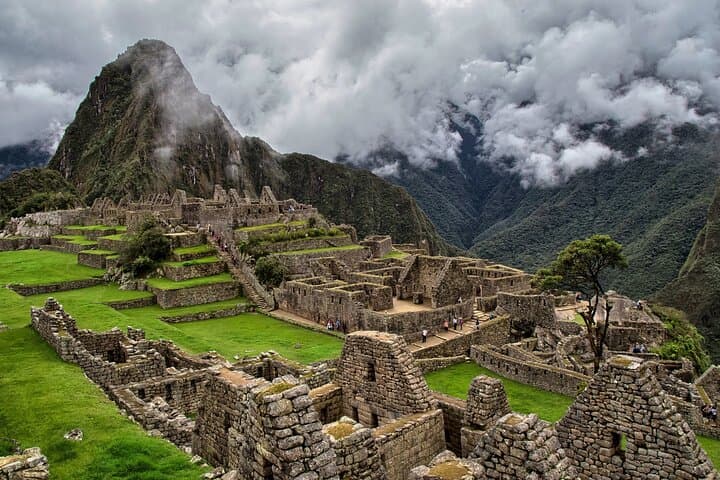
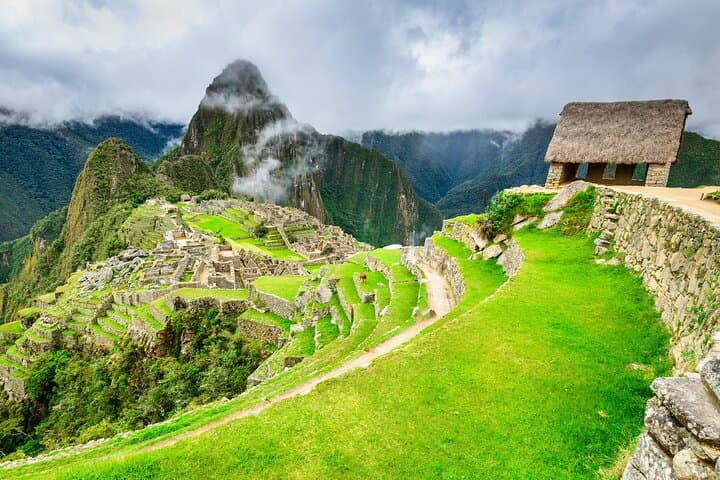

Dawn arrives thin and bright over terraced slopes as the train slips out of Ollantaytambo—steam of breath, the river below daring you to look away. In two days the itinerary threads market stalls, living fiber workshops and ancient stonework, ending at the ridgeline citadel everyone has seen in a photograph but few have truly felt.
Dawn arrives thin and bright over terraced slopes as the train slips out of Ollantaytambo—steam of breath, the river below daring you to look away. In two days the itinerary threads market stalls, living fiber workshops and ancient stonework, ending at the ridgeline citadel everyone has seen in a photograph but few have truly felt.
The route follows Inca agricultural logic: Pisac’s cliffside terraces step down from 3,300 m, engineered for microclimates; Ollantaytambo preserves Inca urban planning with original drainage and stone blocks quarried from nearby outcrops. Awanakancha introduces Andean camelids and traditional weaving techniques—cultural practices that link living communities to the ruins you visit.
Geology here is immediate—steep volcanic and metamorphic beds folded into the Urubamba watershed, carved by glacial and fluvial forces that create the deep valley framing Machu Picchu. Local insights arrive as tactile details from guides: why terraces regulate frost, how salt pans at Maras once fed regional trade, and why the site's orientation matters at sunrise.
Practical guidance is straightforward: start early to avoid the midday crowd and allow time for acclimatization—Cusco sits above 3,300 m. Expect uneven stone steps, short steep climbs and 30–60 minute walking segments in the Sacred Valley; Machu Picchu itself involves significant stair navigation. Bring layered clothing for morning chill and intense sun, a light rain shell for afternoon squalls, and a refillable bottle. If you plan Wayna Picchu, book that ticket in advance—it's a separate permit with a fixed window. This two-day loop balances cultural immersion with accessible hiking, delivering historical depth without technical demands.