THE ADVENTURE COLLECTIVE® · Independent discovery and booking for outdoor travel

Walk alongside alpacas through the Sacred Valley, collect leaves on a 2‑hour hike, and learn traditional natural dye techniques in a private workshop before sharing a pachamanca lunch with locals.
Walk alongside alpacas through the Sacred Valley, collect leaves on a 2‑hour hike, and learn traditional natural dye techniques in a private workshop before sharing a pachamanca lunch with locals.
Morning light slices across terraced hills as participants meet their alpaca companions—quiet, curious animals that fall into step as the trail climbs.
Verified experiences and guided adventures in the surrounding area.
Operated by Peru Private Tours · Pisac, Cusco
Morning light slices across terraced hills as participants meet their alpaca companions—quiet, curious animals that fall into step as the trail climbs.
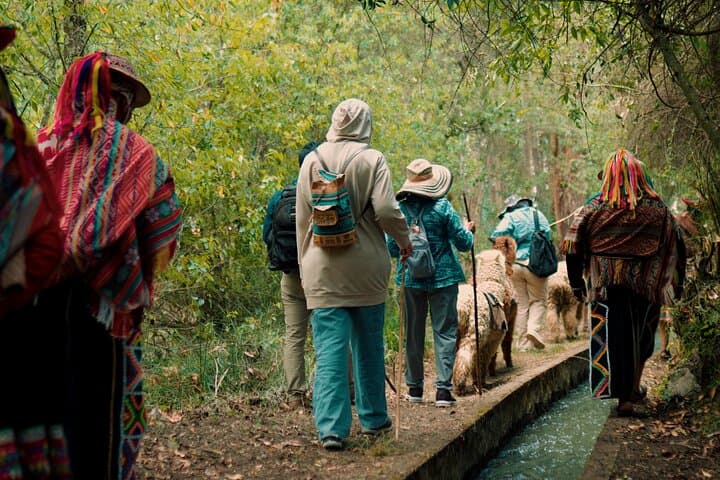
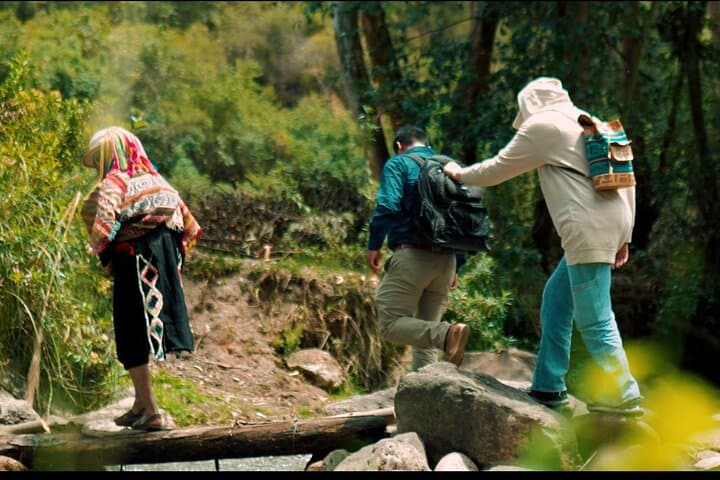
The experience begins with a two-hour hike through the high, agricultural slopes of the Sacred Valley, where glacial-fed streams and volcanic soils have shaped Inca terraces and small Quechua communities for centuries. Guides explain local textile traditions that trace back to pre-Columbian weaving techniques while pointing out native plants used for dyeing.
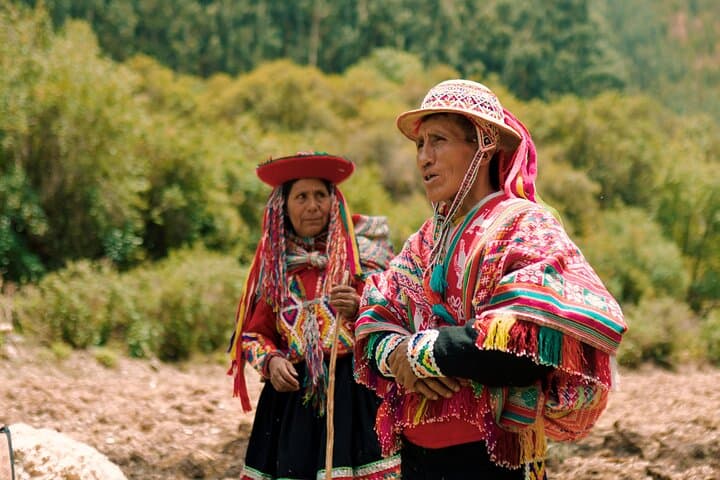
Geology here is visible: layered sedimentary valley walls give way to volcanic outcrops, and the air carries the scent of wet earth when rain threatens. Culture is immediate—the alpaca owner and guide share stories of herd management, ritual offerings, and how pachamanca (an earthen-baked meal) remains a communal way to celebrate harvest and family.
After the walk, the workshop turns field-collected leaves into dyes for alpaca wool and fabric, teaching tie and mordant methods used in the region. A shared pachamanca lunch introduces flavors cooked with hot stones and Andean herbs.
Practical guidance: moderate fitness is required for uneven trails and variable weather; wear sturdy shoes, pack layers, sun protection, and water. The tour includes hotel pickup, all materials, and an English-speaking guide—making it accessible for first-time trekkers.
This day combines a gentle outdoor route, tactile craft learning, and cultural exchange—an ideal choice for travelers seeking active immersion in the Sacred Valley without technical climbing or long-distance trekking.
moderate.
10 hours (full day).
Participants should be comfortable walking 2 hours on uneven terrain at elevation; basic aerobic fitness recommended
The Sacred Valley ranges around 2,800–3,500 m (9,200–11,500 ft); moderate altitude can cause breathlessness—acclimatize in Cusco for a day or two before the tour.
Yes, alpacas are generally docile; guides and the owner ensure briefings and one-on-one guidance so interactions are controlled and respectful.
Absolutely—materials and step-by-step instruction are provided; the workshop is designed for first-timers and experienced crafters alike.
Local guides can often accommodate common dietary restrictions if informed at booking—provide allergy details during reservation.
The Sacred Valley was a key agricultural and ceremonial region for the Inca; living weaving traditions preserve techniques passed down across generations.
Support local families and artisans by buying directly from them; stick to trails, avoid disturbing herds, and follow guides to protect grazing patterns and native plants.
Peru Private Tours operates guided outdoor trips and adventures with an emphasis on safety, stewardship, and memorable experiences.
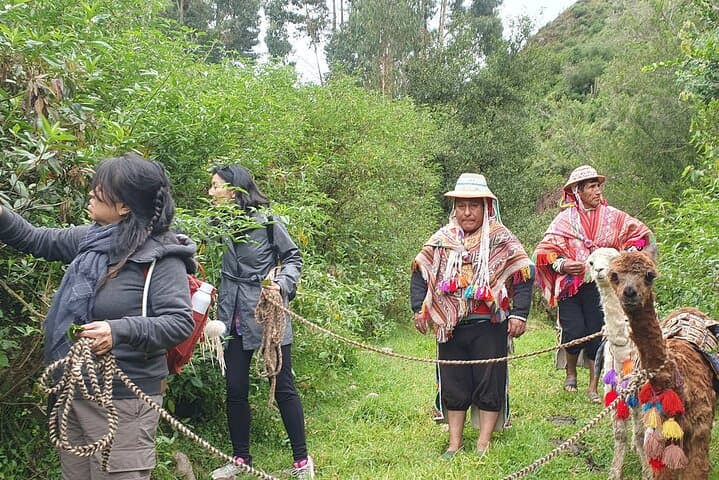
Morning light slices across terraced hills as participants meet their alpaca companions—quiet, curious animals that fall into step as the trail climbs.
Morning light slices across terraced hills as participants meet their alpaca companions—quiet, curious animals that fall into step as the trail climbs.
The experience begins with a two-hour hike through the high, agricultural slopes of the Sacred Valley, where glacial-fed streams and volcanic soils have shaped Inca terraces and small Quechua communities for centuries. Guides explain local textile traditions that trace back to pre-Columbian weaving techniques while pointing out native plants used for dyeing.
Geology here is visible: layered sedimentary valley walls give way to volcanic outcrops, and the air carries the scent of wet earth when rain threatens. Culture is immediate—the alpaca owner and guide share stories of herd management, ritual offerings, and how pachamanca (an earthen-baked meal) remains a communal way to celebrate harvest and family.
After the walk, the workshop turns field-collected leaves into dyes for alpaca wool and fabric, teaching tie and mordant methods used in the region. A shared pachamanca lunch introduces flavors cooked with hot stones and Andean herbs.
Practical guidance: moderate fitness is required for uneven trails and variable weather; wear sturdy shoes, pack layers, sun protection, and water. The tour includes hotel pickup, all materials, and an English-speaking guide—making it accessible for first-time trekkers.
This day combines a gentle outdoor route, tactile craft learning, and cultural exchange—an ideal choice for travelers seeking active immersion in the Sacred Valley without technical climbing or long-distance trekking.