THE ADVENTURE COLLECTIVE® · Independent discovery and booking for outdoor travel

Bike mountain trails, run guided rapids and soak in mountain hot springs on a focused two-day loop from Cusco through Maras, Moray and Santa Teresa. Expect mixed dirt tracks, Inca terraces, and geothermal pools with practical guidance for altitude and terrain.
Bike mountain trails, run guided rapids and soak in mountain hot springs on a focused two-day loop from Cusco through Maras, Moray and Santa Teresa. Expect mixed dirt tracks, Inca terraces, and geothermal pools with practical guidance for altitude and terrain.
You step out before dawn into thin mountain air, Cusco’s red-tile roofs shrinking behind as the van climbs toward the Sacred Valley. The first light paints the terraced slopes, and by midday you’re biking narrow dirt tracks that thread orchid-draped gullies and exposed switchbacks. Later, the river dares you—class II–III stretches that push your pace and sharpen focus—before a warm soak in mountain springs unknots tired legs.
Verified experiences and guided adventures in the surrounding area.
Operated by Inca Jungle en Capsulas · Cusco, Cusco
You step out before dawn into thin mountain air, Cusco’s red-tile roofs shrinking behind as the van climbs toward the Sacred Valley. The first light paints the terraced slopes, and by midday you’re biking narrow dirt tracks that thread orchid-draped gullies and exposed switchbacks. Later, the river dares you—class II–III stretches that push your pace and sharpen focus—before a warm soak in mountain springs unknots tired legs.
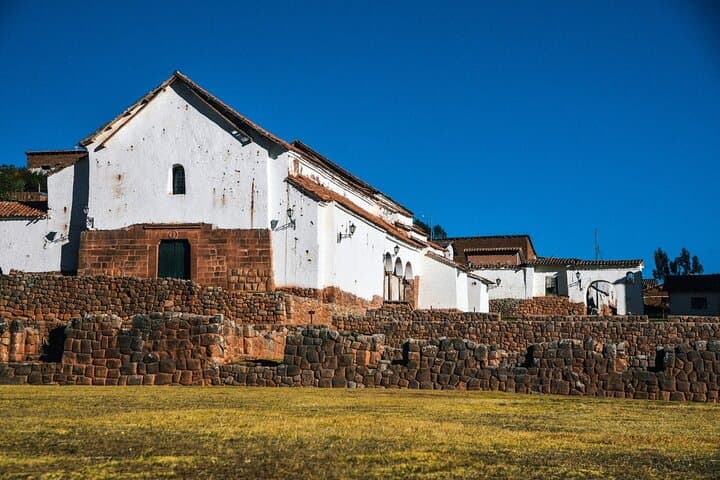
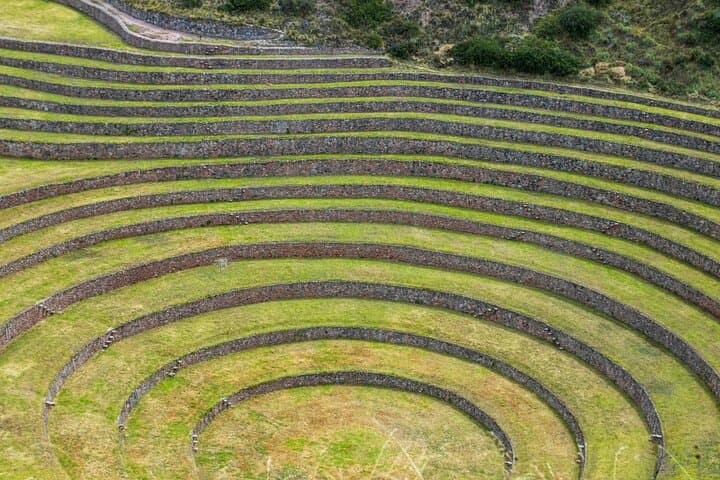
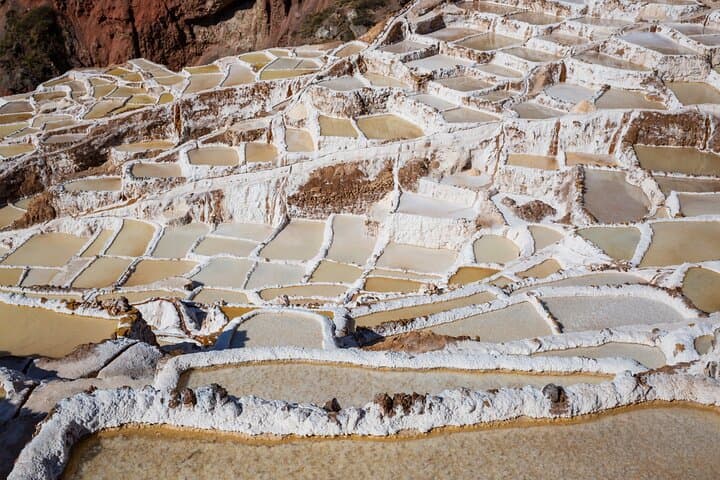
This two-day loop threads together living Inca landscapes: the geometric salt pans of Maras carved into a steep ravine, and the circular agricultural experiments of Moray where concentric terraces create microclimates once used for crop trials. Chinchero offers textile demonstrations that keep Andean weaving techniques alive, while Santa Teresa drops you into cloud-forest trails and ziplines that cross sudden canopies.
Geologically the route sits on uplifted Andean bedrock, with alluvial valleys and hot springs born where faulting brings geothermal waters near the surface. Culturally, communities along the valley maintain communal water and terracing practices that predate colonial maps.
Practical guide: allow 24–48 hours to acclimatize in Cusco before strenuous activity; drink water steadily and move intentionally on higher-altitude climbs. Bring layered windproof clothing for mornings, closed-toe shoes for unpaved biking, and swimwear for the thermal pools. Guides provide bikes, helmets and safety gear; expect moderate pedaling, brief technical sections on singletrack and safe guided rapids that require basic swimming confidence. Meals and transport between points are included, but pack sunscreen, cash for local crafts, and a small dry bag for valuables on river days.
moderate.
2 days.
Moderate fitness; regular cardiovascular activity and comfort on a bike and in moving water recommended
Basic mountain-biking confidence on unpaved and uneven surfaces is recommended; guides route options for varied skill levels.
Rafting covers mostly class II–III rapids with professional guides and safety gear; swimmers should be comfortable in moving water.
Yes—Cusco sits around 3,400 m; plan 24–48 hours to acclimatize, hydrate, and avoid heavy exertion immediately after arrival.
This tour is listed as all sales final: no refunds are available for cancellations, so confirm plans before booking.
The Sacred Valley was a highland agricultural hub for the Inca; terraces and salt pans reflect centuries-old communal engineering and crop experimentation.
Stick to marked trails, avoid taking salt or archaeological fragments, and support local guides and craft cooperatives to help sustain community economies.
Inca Jungle en Capsulas operates guided outdoor trips and adventures with an emphasis on safety, stewardship, and memorable experiences.
You step out before dawn into thin mountain air, Cusco’s red-tile roofs shrinking behind as the van climbs toward the Sacred Valley. The first light paints the terraced slopes, and by midday you’re biking narrow dirt tracks that thread orchid-draped gullies and exposed switchbacks. Later, the river dares you—class II–III stretches that push your pace and sharpen focus—before a warm soak in mountain springs unknots tired legs.
You step out before dawn into thin mountain air, Cusco’s red-tile roofs shrinking behind as the van climbs toward the Sacred Valley. The first light paints the terraced slopes, and by midday you’re biking narrow dirt tracks that thread orchid-draped gullies and exposed switchbacks. Later, the river dares you—class II–III stretches that push your pace and sharpen focus—before a warm soak in mountain springs unknots tired legs.
This two-day loop threads together living Inca landscapes: the geometric salt pans of Maras carved into a steep ravine, and the circular agricultural experiments of Moray where concentric terraces create microclimates once used for crop trials. Chinchero offers textile demonstrations that keep Andean weaving techniques alive, while Santa Teresa drops you into cloud-forest trails and ziplines that cross sudden canopies.
Geologically the route sits on uplifted Andean bedrock, with alluvial valleys and hot springs born where faulting brings geothermal waters near the surface. Culturally, communities along the valley maintain communal water and terracing practices that predate colonial maps.
Practical guide: allow 24–48 hours to acclimatize in Cusco before strenuous activity; drink water steadily and move intentionally on higher-altitude climbs. Bring layered windproof clothing for mornings, closed-toe shoes for unpaved biking, and swimwear for the thermal pools. Guides provide bikes, helmets and safety gear; expect moderate pedaling, brief technical sections on singletrack and safe guided rapids that require basic swimming confidence. Meals and transport between points are included, but pack sunscreen, cash for local crafts, and a small dry bag for valuables on river days.