THE ADVENTURE COLLECTIVE® · Independent discovery and booking for outdoor travel

Experience two of Tamil Nadu’s most powerful sacred sites on a compact three‑day pilgrimage from Madurai to Rameshwaram. Combine temple rituals, colonial and Nayak architecture, and a coastal drive across Pamban Bridge with time to reflect at Dhanushkodi Beach.
Experience two of Tamil Nadu’s most powerful sacred sites on a compact three‑day pilgrimage from Madurai to Rameshwaram. Combine temple rituals, colonial and Nayak architecture, and a coastal drive across Pamban Bridge with time to reflect at Dhanushkodi Beach.
You step from a humid morning street into the cool shadow of Meenakshi Amman Temple: towering gopurams covered in painted sculpture, the air thick with incense and the murmur of prayer.
Verified experiences and guided adventures in the surrounding area.
Operated by Agora Voyages Pvt. Ltd. · Madurai, Tamil Nadu
You step from a humid morning street into the cool shadow of Meenakshi Amman Temple: towering gopurams covered in painted sculpture, the air thick with incense and the murmur of prayer.
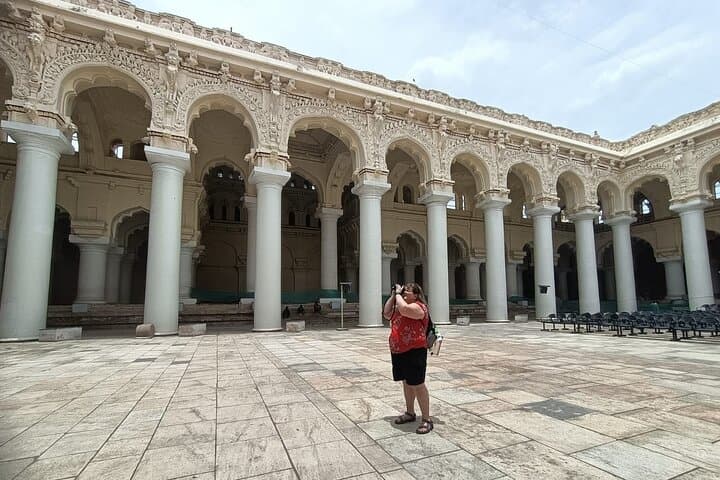
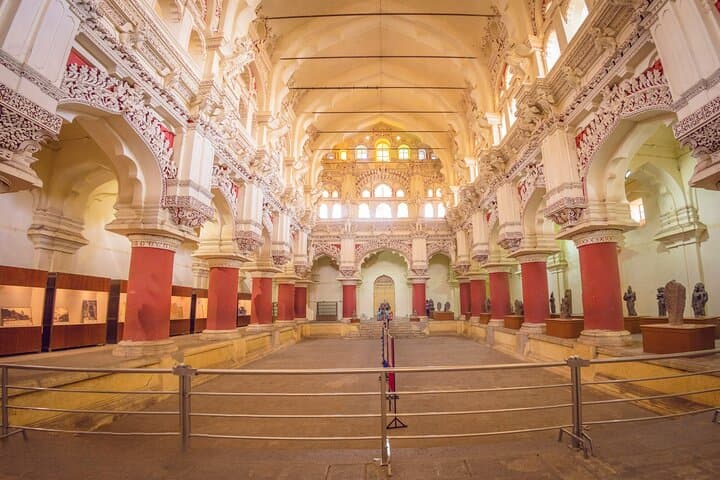
This three‑day pilgrimage moves from Madurai’s urban ritual life to the wind‑raked coastline of Rameshwaram and the ghostly sands of Dhanushkodi. Madurai grew as a temple city under the Pandyas and later Nayak rulers; its Thirumalai Nayakkar Palace speaks to 17th‑century Indo‑Saracenic power while the Gandhi Museum records modern political memory. Rameshwaram is both mythic—associated with the Ramayana and Adam’s Bridge—and tangible: Ramanathaswamy Temple’s long corridors and sacred tanks are an exercise in stonework and devotion. Between them lies a 170 km coastal drive over the Pamban Bridge, an engineering landmark where the sea insists on being noticed.
Geologically the region is low and coastal, with sandy beaches, salt flats and coral‑limestone outcrops; Dhanushkodi was reshaped by the 1964 cyclone and now reads like a place where history and nature collide.
Practically, expect long drives (Madurai–Rameshwaram ~3–4 hours each way), lots of walking on temple precincts and sun exposure at the coast. Dress modestly for temples (shoulders and knees covered), carry water and sun protection, and plan temple visits early or late to avoid mid‑day heat. Ask local guides about aarti timings, and allow time for photography and quiet reflection—this itinerary balances cultural depth with manageable travel between two of southern India’s most resonant sites.
moderate.
3 days.
Suitable for travelers in average fitness: light to moderate walking, extended periods standing during temple visits, and several hours of car travel.
The road distance is about 170 km and typically takes 3–4 hours each way depending on traffic and stops.
Most temple sanctums require you to remove shoes; carry a small bag to store footwear and wear socks if preferred for hygiene.
Dhanushkodi is accessible but exposed to strong winds and shifting sands—stay on marked paths, avoid the water during rough seas, and follow local advice about tides.
Tamil is the primary local language; English is widely spoken in tourist settings—an English‑speaking guide is useful for historical context and navigating rituals.
Madurai’s Meenakshi Temple complex expanded under Pandya and Nayak rule; Rameshwaram has been an important pilgrimage site for centuries and was reshaped by the 1964 cyclone that left parts of Dhanushkodi abandoned.
Coastal erosion and saline intrusion are ongoing issues; visitors should avoid littering and use local guides who support responsible access to fragile shoreline sites.
Agora Voyages Pvt. Ltd. operates guided outdoor trips and adventures with an emphasis on safety, stewardship, and memorable experiences.
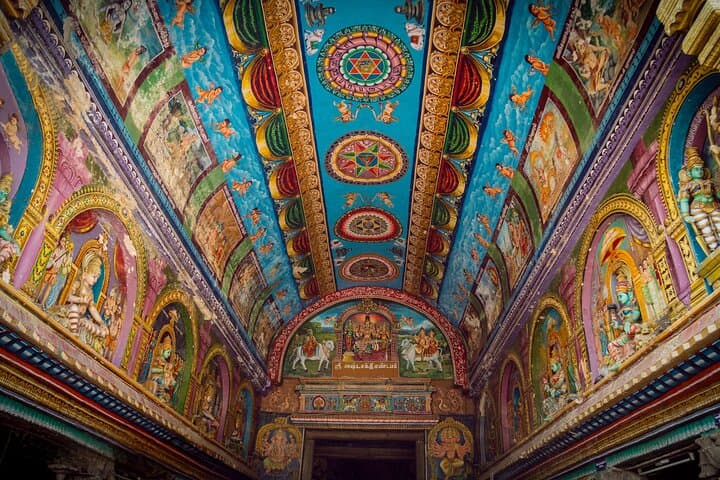
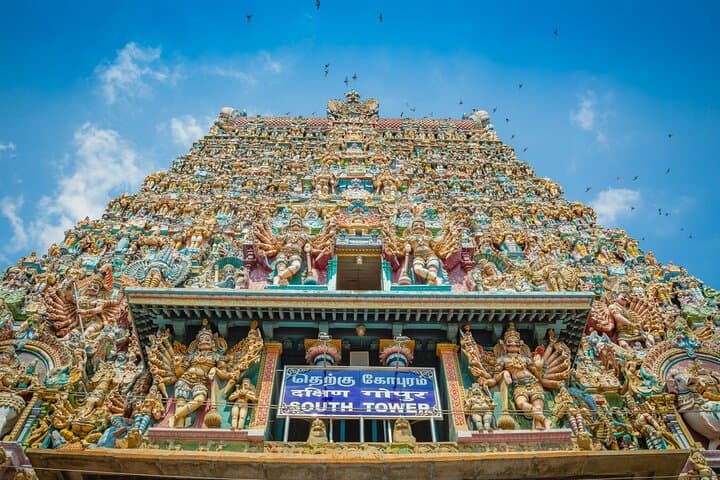
You step from a humid morning street into the cool shadow of Meenakshi Amman Temple: towering gopurams covered in painted sculpture, the air thick with incense and the murmur of prayer.
You step from a humid morning street into the cool shadow of Meenakshi Amman Temple: towering gopurams covered in painted sculpture, the air thick with incense and the murmur of prayer.
This three‑day pilgrimage moves from Madurai’s urban ritual life to the wind‑raked coastline of Rameshwaram and the ghostly sands of Dhanushkodi. Madurai grew as a temple city under the Pandyas and later Nayak rulers; its Thirumalai Nayakkar Palace speaks to 17th‑century Indo‑Saracenic power while the Gandhi Museum records modern political memory. Rameshwaram is both mythic—associated with the Ramayana and Adam’s Bridge—and tangible: Ramanathaswamy Temple’s long corridors and sacred tanks are an exercise in stonework and devotion. Between them lies a 170 km coastal drive over the Pamban Bridge, an engineering landmark where the sea insists on being noticed.
Geologically the region is low and coastal, with sandy beaches, salt flats and coral‑limestone outcrops; Dhanushkodi was reshaped by the 1964 cyclone and now reads like a place where history and nature collide.
Practically, expect long drives (Madurai–Rameshwaram ~3–4 hours each way), lots of walking on temple precincts and sun exposure at the coast. Dress modestly for temples (shoulders and knees covered), carry water and sun protection, and plan temple visits early or late to avoid mid‑day heat. Ask local guides about aarti timings, and allow time for photography and quiet reflection—this itinerary balances cultural depth with manageable travel between two of southern India’s most resonant sites.