THE ADVENTURE COLLECTIVE® · Independent discovery and booking for outdoor travel

Step into the hush of Nara at dawn and follow a quiet trail up Mount Wakakusa where sika deer move between park and hill. This gentle, 90-minute guided walk pairs close wildlife encounters with sweeping temple views and local history.
Step into the hush of Nara at dawn and follow a quiet trail up Mount Wakakusa where sika deer move between park and hill. This gentle, 90-minute guided walk pairs close wildlife encounters with sweeping temple views and local history.
Dawn cuts a soft edge across Nara Park as mist drifts up the slopes of Mount Wakakusa. A small group moves quietly from Himuro Shrine, following worn paths past deer that lift their heads like living weather vanes. The air is crisp; the city’s temple roofs peek through thinning fog while sika deer browse the short grass.
Verified experiences and guided adventures in the surrounding area.
Operated by DeepExperience · Nara, Nara Prefecture
Dawn cuts a soft edge across Nara Park as mist drifts up the slopes of Mount Wakakusa. A small group moves quietly from Himuro Shrine, following worn paths past deer that lift their heads like living weather vanes. The air is crisp; the city’s temple roofs peek through thinning fog while sika deer browse the short grass.
This walk threads history and ritual: Kasuga Taisha’s lantern-lined paths and the legend of the white deer that became a god’s mount explain why these animals are treated as sacred. Geologically the route is a low grassy hill on the Yamato Plain—gentle, open, and shaped by seasons rather than steep terrain. Culturally, morning hours here emphasize stillness and respect; guides explain local etiquette and the Yamayaki grass-burning ritual that keeps the summit open for grazing.
Expect close but respectful encounters with free-roaming deer, clear views over Nara’s temple cluster from the ridge, and quiet pockets like Ukimido pavilion and the Tobihino field where mist lingers. Photography works best in the first light; the animals are most active before the city wakes.
Practical notes: the ascent is short and gentle but uneven—good footwear matters. Start within an hour of sunrise to avoid crowds and to catch the deer’s movement. Carry water, dress in layers for changing temperatures, and follow your guide’s rules about feeding and approaching deer. Public transport to central Nara is frequent; the meeting point at Himuro Shrine is a five- to ten-minute walk from Nara Station. This is an accessible, low-impact way to witness the city’s living connection between nature and tradition.
easy.
1.5 hours.
Suitable for most fitness levels; short, gentle uphill sections but some uneven footing.
Deer here are accustomed to people but remain wild animals—stay calm, avoid sudden movements, and follow the guide’s distance guidelines; approach only when deer initiate interest.
The tour meets at Himuro Shrine in central Nara; it’s an easy 5–10 minute walk from Nara Station with frequent trains from Osaka and Kyoto.
Yes—terrain is gentle and the pace is slow. Notify the operator of mobility needs when booking so the guide can accommodate the group.
The route passes viewpoints above Nara’s temple cluster and skirts areas connected to Kasuga Taisha; backpacks or long visits inside shrine grounds are not included in the 90-minute walk.
Kasuga Taisha and the surrounding sacred forest date back over a millennium; deer have been protected as divine messengers in local lore for centuries.
Nara Park follows rules to protect deer and habitat—avoid feeding them human food, pack out trash, and stick to established paths to minimize impact.
DeepExperience operates guided outdoor trips and adventures with an emphasis on safety, stewardship, and memorable experiences.
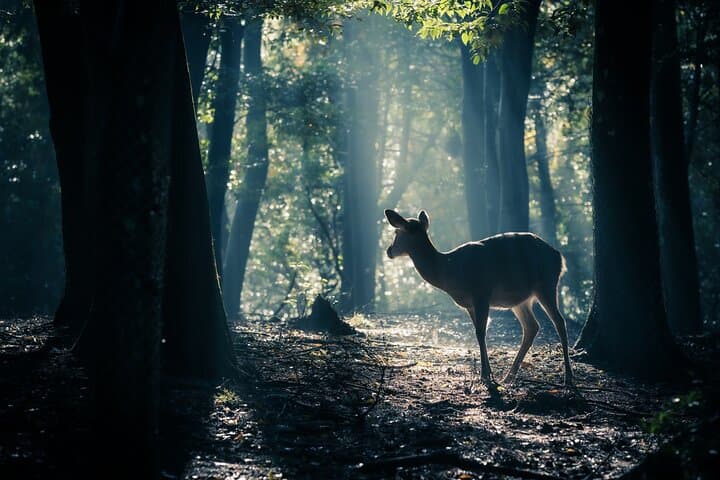
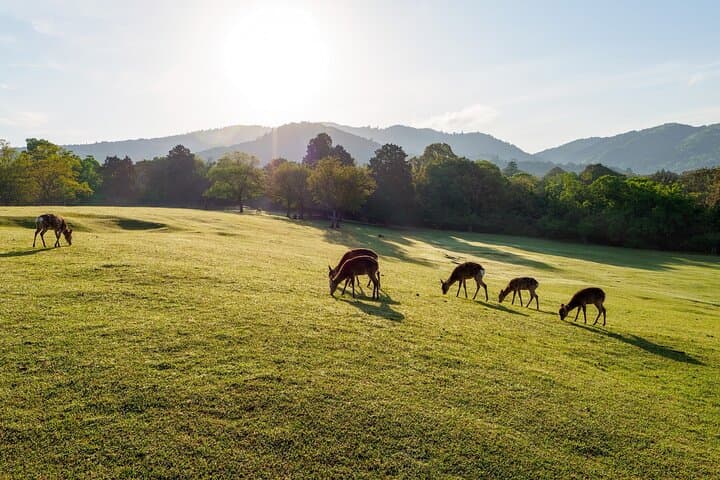
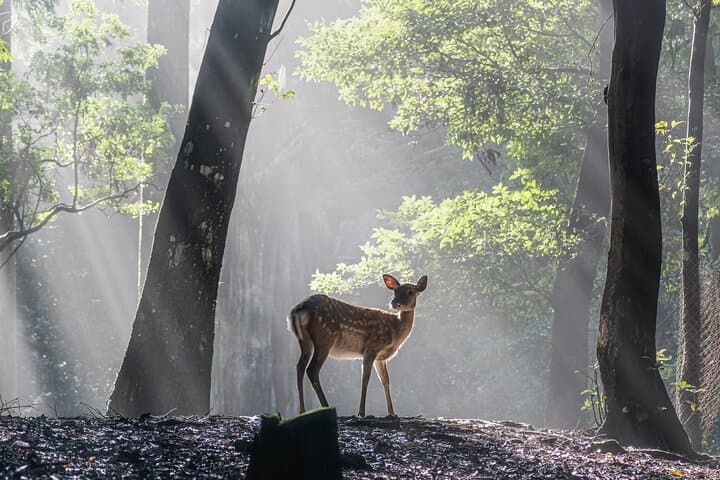
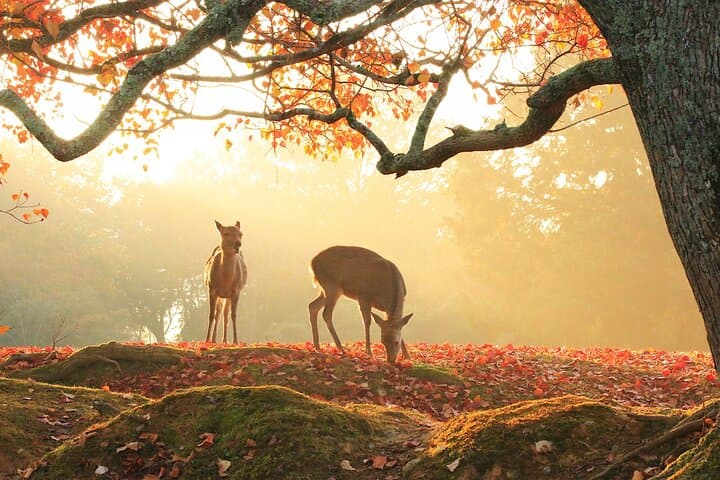
Dawn cuts a soft edge across Nara Park as mist drifts up the slopes of Mount Wakakusa. A small group moves quietly from Himuro Shrine, following worn paths past deer that lift their heads like living weather vanes. The air is crisp; the city’s temple roofs peek through thinning fog while sika deer browse the short grass.
Dawn cuts a soft edge across Nara Park as mist drifts up the slopes of Mount Wakakusa. A small group moves quietly from Himuro Shrine, following worn paths past deer that lift their heads like living weather vanes. The air is crisp; the city’s temple roofs peek through thinning fog while sika deer browse the short grass.
This walk threads history and ritual: Kasuga Taisha’s lantern-lined paths and the legend of the white deer that became a god’s mount explain why these animals are treated as sacred. Geologically the route is a low grassy hill on the Yamato Plain—gentle, open, and shaped by seasons rather than steep terrain. Culturally, morning hours here emphasize stillness and respect; guides explain local etiquette and the Yamayaki grass-burning ritual that keeps the summit open for grazing.
Expect close but respectful encounters with free-roaming deer, clear views over Nara’s temple cluster from the ridge, and quiet pockets like Ukimido pavilion and the Tobihino field where mist lingers. Photography works best in the first light; the animals are most active before the city wakes.
Practical notes: the ascent is short and gentle but uneven—good footwear matters. Start within an hour of sunrise to avoid crowds and to catch the deer’s movement. Carry water, dress in layers for changing temperatures, and follow your guide’s rules about feeding and approaching deer. Public transport to central Nara is frequent; the meeting point at Himuro Shrine is a five- to ten-minute walk from Nara Station. This is an accessible, low-impact way to witness the city’s living connection between nature and tradition.