
Sacred Moon Temples: A One-Day Spiritual Retreat in the Sacred Valley
Spend a day moving through ancient ceremonial sites in the Sacred Valley: Moon Temple rituals, a flowering-bath cleansing, and the carved huaca of Ñaupa Iglesia. This one-day retreat mixes accessible walks with guided Andean ceremonies and cultural context.
An Adventure In Cusco.
Spend a day moving through ancient ceremonial sites in the Sacred Valley: Moon Temple rituals, a flowering-bath cleansing, and the carved huaca of Ñaupa Iglesia. This one-day retreat mixes accessible walks with guided Andean ceremonies and cultural context.
Read the full experience
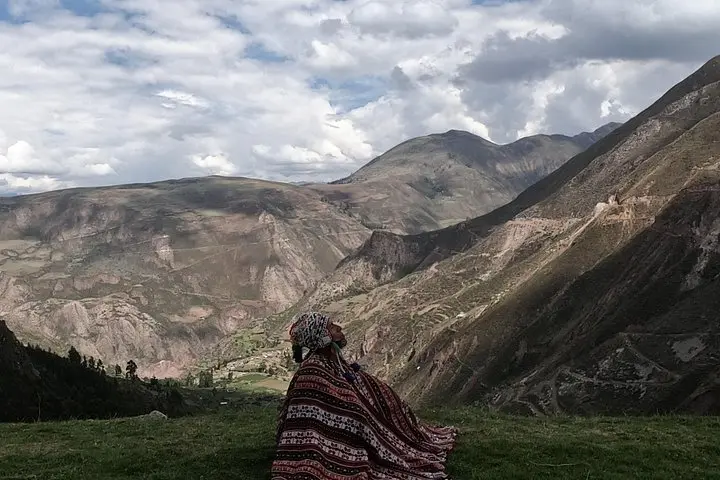
You arrive before dawn to thin, bright air and a valley that opens like a map of time; stone terraces climb the slopes and a small river threads the bowl of the valley below.
You arrive before dawn to thin, bright air and a valley that opens like a map of time; stone terraces climb the slopes and a small river threads the bowl of the valley below.
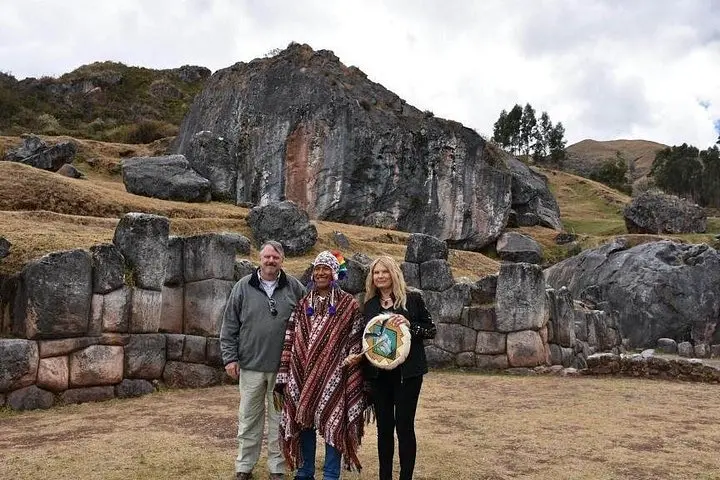
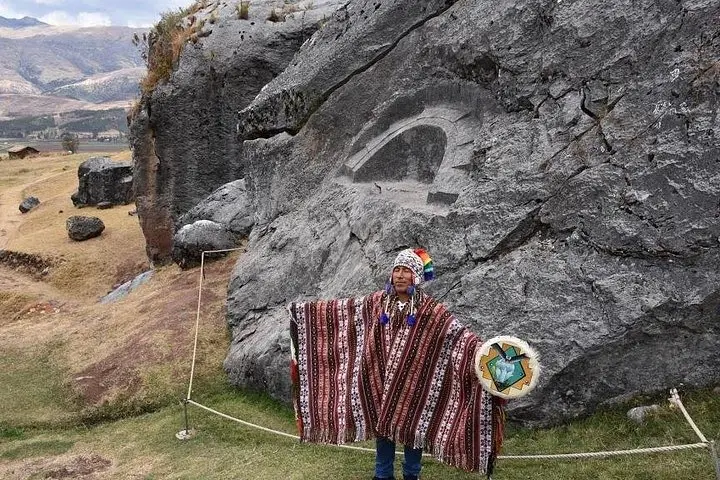
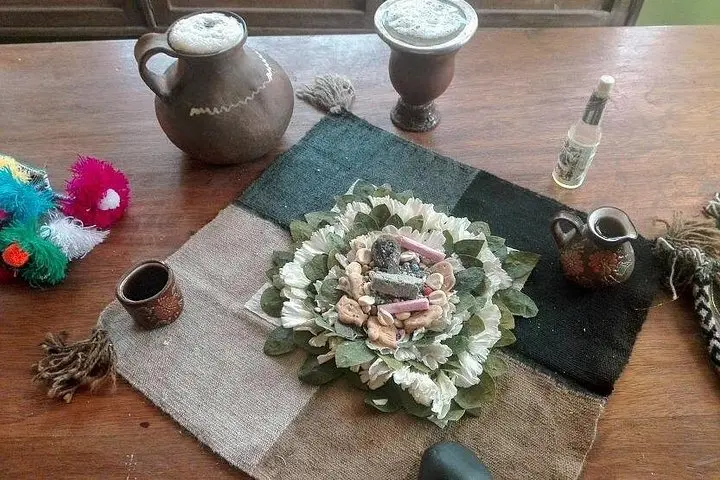
The day unfolds at Killa Rumiyoq (Moon Temple), where a granite huaca bears a finely carved chakana and ritual niches. Here an Andean shaman leads a Pachamama offering—corn chicha, coca leaves, flowers and llama fat—buried beneath a ceremonial rock to request protection and balance. The ceremony is tactile: you hold the leaves, feel cool river water on your hands, and watch petals carried downstream as if the current were a translator for intention.
Later, in the Huarocondo valley you break for a chef-prepared picnic, then move to Ñaupa Iglesia (Choquekilla), a mysterious carved outcrop that reads like a stone altar. The route can include Moray’s concentric terraces—an agricultural amphitheater where the Incas experimented with microclimates—and a possible stop with Chinchero weavers on the return to Cusco.
Geology here is immediate: granite outcrops, terraced colluvium and sun-hardened soils shaped by centuries of farming. Culturally the region remains a living pilgrimage—rituals, weaving and offerings are practiced daily.
Practical side: the retreat runs 8–9 hours and demands moderate fitness; expect short walks over uneven ground at 3,500–4,000 m (11,500–13,000 ft). Hydrate well, dress in layers, and be prepared to follow the shaman’s guidance on participation and photography. The experience blends spiritual ritual, accessible hiking and clear cultural context—quiet, hands-on and rooted in place.
Frequently asked questions
The tour lasts about 8–9 hours; pickup times vary by hotel but typically occur early morning from Cusco to maximize daylight and altitude acclimatization.
Sites include uneven paths, steps and short ascents; the tour is not recommended for travelers with serious spinal, heart, or mobility issues.
Yes—the shaman prepares traditional offerings (kintu, chicha, flowers) and leads ceremonies; participants are guided on how to take part respectfully.
Altitude affects people differently—preventative steps include resting in Cusco beforehand, hydrating, avoiding alcohol the night before, and moving slowly during the ceremony; medication like acetazolamide can help if advised by a physician.
About This Experience
Homestay Journey operates guided outdoor trips and adventures with an emphasis on safety, stewardship, and memorable experiences.
Adventure tips
Recommended gear
- Insulated water bottle: Keeps you hydrated and prevents rapid temperature changes at high altitude.
- Sturdy walking shoes: Support and grip for rocky trails, agricultural terraces and ceremonial sites.
- Layered clothing (base, insulating, waterproof): Temperatures swing widely between sun and shade at 3,500–4,000 m.
- Sun protection (hat, sunglasses, SPF 50+): High-altitude UV is intense even on cool days—protect exposed skin and eyes.
Photos of the experience
Related adventures & guides
Read the full experience
You arrive before dawn to thin, bright air and a valley that opens like a map of time; stone terraces climb the slopes and a small river threads the bowl of the valley below.
You arrive before dawn to thin, bright air and a valley that opens like a map of time; stone terraces climb the slopes and a small river threads the bowl of the valley below.
The day unfolds at Killa Rumiyoq (Moon Temple), where a granite huaca bears a finely carved chakana and ritual niches. Here an Andean shaman leads a Pachamama offering—corn chicha, coca leaves, flowers and llama fat—buried beneath a ceremonial rock to request protection and balance. The ceremony is tactile: you hold the leaves, feel cool river water on your hands, and watch petals carried downstream as if the current were a translator for intention.
Later, in the Huarocondo valley you break for a chef-prepared picnic, then move to Ñaupa Iglesia (Choquekilla), a mysterious carved outcrop that reads like a stone altar. The route can include Moray’s concentric terraces—an agricultural amphitheater where the Incas experimented with microclimates—and a possible stop with Chinchero weavers on the return to Cusco.
Geology here is immediate: granite outcrops, terraced colluvium and sun-hardened soils shaped by centuries of farming. Culturally the region remains a living pilgrimage—rituals, weaving and offerings are practiced daily.
Practical side: the retreat runs 8–9 hours and demands moderate fitness; expect short walks over uneven ground at 3,500–4,000 m (11,500–13,000 ft). Hydrate well, dress in layers, and be prepared to follow the shaman’s guidance on participation and photography. The experience blends spiritual ritual, accessible hiking and clear cultural context—quiet, hands-on and rooted in place.
Make a day of it nearby.
Verified experiences and guided adventures in the surrounding area.