THE ADVENTURE COLLECTIVE® · Independent discovery and booking for outdoor travel

Soak in geothermal warmth and smear on therapeutic mud at Sabeto, a no-frills natural spa near Nadi. This practical guide explains what to expect, health considerations, and how to plan your visit.
Soak in geothermal warmth and smear on therapeutic mud at Sabeto, a no-frills natural spa near Nadi. This practical guide explains what to expect, health considerations, and how to plan your visit.
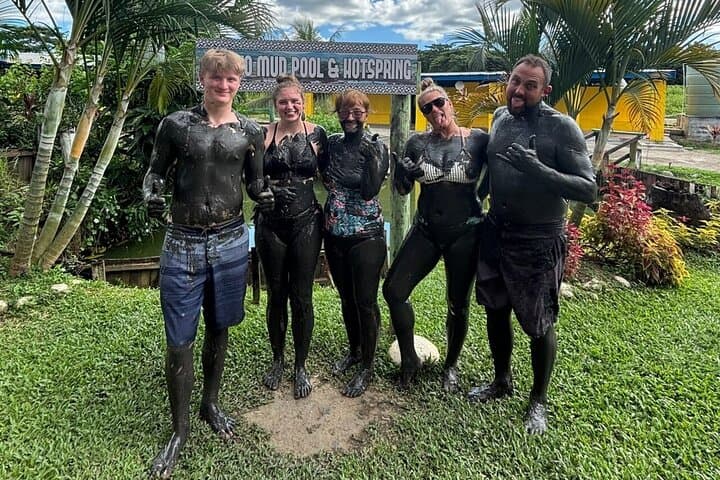
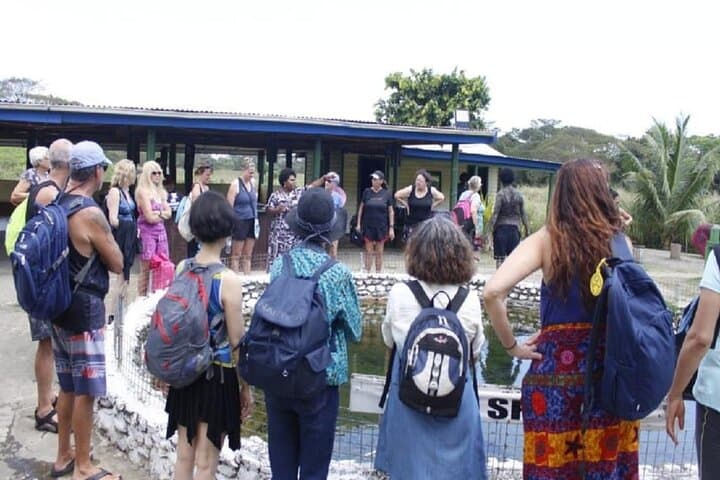
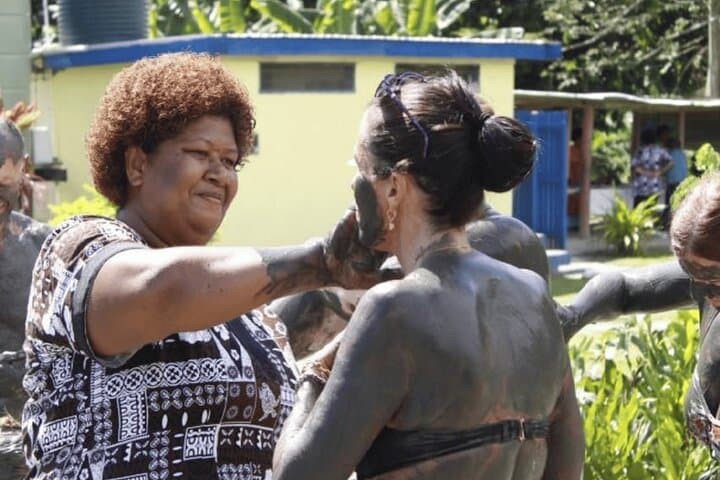
Steam rises from the Sabeto valley like a slow exhale, and the first warm splash through mineral-rich pools removes any island jetlag. Visitors arrive to a simple complex of terraced hot springs and thick, dark mud pools where the ground itself seems to invite a slow, playful confrontation: smear, soak, rinse.
Verified experiences and guided adventures in the surrounding area.
Operated by Travel Adventures Fiji · Nadi, Western Division
Steam rises from the Sabeto valley like a slow exhale, and the first warm splash through mineral-rich pools removes any island jetlag. Visitors arrive to a simple complex of terraced hot springs and thick, dark mud pools where the ground itself seems to invite a slow, playful confrontation: smear, soak, rinse.
The Sabeto area sits on Viti Levu’s volcanic foothills; geothermal heat and porous volcanic rock drive the warm springs and the iron-rich mud. The site has been a local landmark long before organized tourism, used by villagers for bathing and basic therapeutic relief. Nearby sugarcane fields and small villages lend a cultural backdrop—Fijian hospitality and casual commerce cluster around the entry, with optional traditional massage services offered on site.
Geologically modest but sensory-rich, the mud is gloopy and earthy; the pools are typically shallow and warm rather than scalding. Facilities are straightforward—changing areas, rinse stations, and a small café—so expectations should be practical: this is nature-focused, not a luxury spa.
Plan for 2–3 hours to cover the mud wrap, a soak in the hot spring pool, and time to rinse and relax. Avoid if pregnant or if you have cardiovascular issues; bring a towel, water shoes, biodegradable sunscreen, and cash if you want a longer traditional Fijian massage. Visit during Fiji’s dry season for calmer weather and easier road access, and arrive early to beat the busiest tour groups.
easy.
2–3 hours.
Minimal fitness required; mainly standing, light walking, and soaking. Suitable for most ages except those with listed health restrictions.
Basic changing facilities are available but towels are usually not provided; bring your own quick-dry towel.
No—management and tour descriptions advise that pregnant people and those with serious cardiovascular conditions avoid the mud baths and hot springs.
This ticket covers entry only; transfers may be available through separate booking or combined tours—check your provider for transport options.
No; traditional Fijian massages are optional extras with pay-on-site pricing.
The springs are fed by geothermal activity associated with Viti Levu’s volcanic geology and have long been used locally for bathing and simple therapeutic purposes.
Visitors are asked to use reef-safe products and avoid washing plastics or soaps into natural drains; stick to marked paths to limit erosion.
Travel Adventures Fiji operates guided outdoor trips and adventures with an emphasis on safety, stewardship, and memorable experiences.

Steam rises from the Sabeto valley like a slow exhale, and the first warm splash through mineral-rich pools removes any island jetlag. Visitors arrive to a simple complex of terraced hot springs and thick, dark mud pools where the ground itself seems to invite a slow, playful confrontation: smear, soak, rinse.
Steam rises from the Sabeto valley like a slow exhale, and the first warm splash through mineral-rich pools removes any island jetlag. Visitors arrive to a simple complex of terraced hot springs and thick, dark mud pools where the ground itself seems to invite a slow, playful confrontation: smear, soak, rinse.
The Sabeto area sits on Viti Levu’s volcanic foothills; geothermal heat and porous volcanic rock drive the warm springs and the iron-rich mud. The site has been a local landmark long before organized tourism, used by villagers for bathing and basic therapeutic relief. Nearby sugarcane fields and small villages lend a cultural backdrop—Fijian hospitality and casual commerce cluster around the entry, with optional traditional massage services offered on site.
Geologically modest but sensory-rich, the mud is gloopy and earthy; the pools are typically shallow and warm rather than scalding. Facilities are straightforward—changing areas, rinse stations, and a small café—so expectations should be practical: this is nature-focused, not a luxury spa.
Plan for 2–3 hours to cover the mud wrap, a soak in the hot spring pool, and time to rinse and relax. Avoid if pregnant or if you have cardiovascular issues; bring a towel, water shoes, biodegradable sunscreen, and cash if you want a longer traditional Fijian massage. Visit during Fiji’s dry season for calmer weather and easier road access, and arrive early to beat the busiest tour groups.