THE ADVENTURE COLLECTIVE® · Independent discovery and booking for outdoor travel

A demanding 9-day trek across the Rwenzori Mountains to Punta Margherita (5,109 m), this route threads bamboo, heather and glacier fields while staying in mountain huts and connecting with Bakonzo villages. Expect long ascents, boggy plateaus and technical summit work.
A demanding 9-day trek across the Rwenzori Mountains to Punta Margherita (5,109 m), this route threads bamboo, heather and glacier fields while staying in mountain huts and connecting with Bakonzo villages. Expect long ascents, boggy plateaus and technical summit work.
Dawn breaks over a high alpine plain as your group tightens packs and follows a thin line of boot prints into the cloud. Moss pulls at your boots, bamboo thickets snap back, and the air thins with each switchback as the Rwenzori—often called the Mountains of the Moon—pushes skyward along the Uganda–Congo border.
Verified experiences and guided adventures in the surrounding area.
Operated by Travelmonke Tours and Travel · Kasese, Western Region
Dawn breaks over a high alpine plain as your group tightens packs and follows a thin line of boot prints into the cloud. Moss pulls at your boots, bamboo thickets snap back, and the air thins with each switchback as the Rwenzori—often called the Mountains of the Moon—pushes skyward along the Uganda–Congo border.
This nine-day circuit climbs from Nyakalengija through a succession of ecosystems: lowland plantations, bamboo forests, giant heather zones and glacial moraine beneath Punta Margherita (about 5,109 m). The range is an old uplifted massif in the Albertine Rift, carved by ice and weather; what remains are permanent glaciers, boggy plateaus and rare plants like giant groundsel.
The Bakonzo people live in the foothills; villages offer brief cultural breaks on quieter days of the trek. Wildlife includes turacos and primates in lower forest, while the high alpine hosts fewer mammals but dramatic vistas of Mount Stanley and neighboring peaks.
Practicalities matter: expect sustained ascents to 4,500–5,100 m, daily hikes of 4–6 hours on mixed terrain, and nights in mountain huts at 2,650–4,540 m. Guides and porters handle route-finding and camp logistics; park permits and hiring equipment at Nyakalengija are standard.
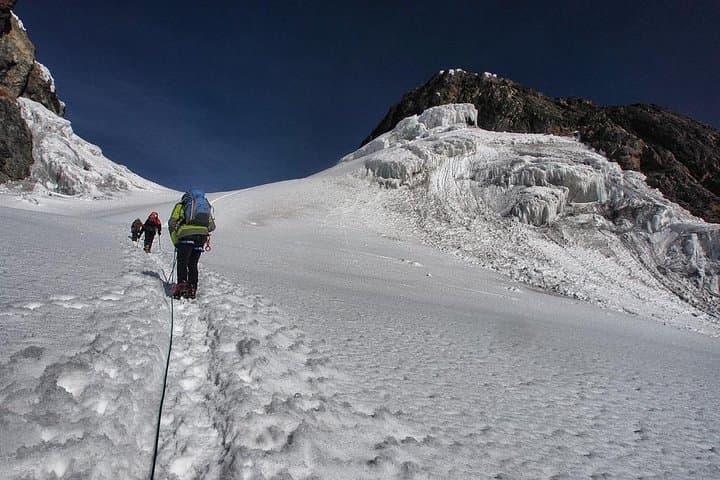
Pack layers for freezing summit mornings, bring crampons and an ice axe for glacier sections, and plan for wet bogs—gaiters and waterproofs are essential. Allow acclimatization time, prioritize hydration, and be prepared for sudden weather shifts; the climb rewards technical effort with raw glacier views and an unmatched highland silence.
difficult.
9 days.
Good aerobic fitness with experience at altitude; ability to carry a daypack for 6–8 hours on steep, uneven trails.
Yes—glacier travel, crampon and axe use are required; guided groups typically include trained leaders and may require proof of prior experience.
Rwenzori Mountains National Park permits and camping/hut fees are required; most operators handle permits during the briefing at Nyakalengija.
Temperatures can drop below freezing above 4,000 m; expect -5°C to -10°C on summit nights depending on weather, so good insulation is essential.
Yes—park HQ and local operators in Nyakalengija and Kasese arrange porters and hire basic gear, though high-quality technical items are best brought from home.
European explorers called the range the 'Mountains of the Moon'; several peaks were first mapped during late-19th/early-20th century expeditions and named by colonial mountaineers.
Glaciers in the Rwenzori are receding—trekkers should minimize campfire use, pack out waste, and support park fees that fund conservation and local communities.
Travelmonke Tours and Travel operates guided outdoor trips and adventures with an emphasis on safety, stewardship, and memorable experiences.
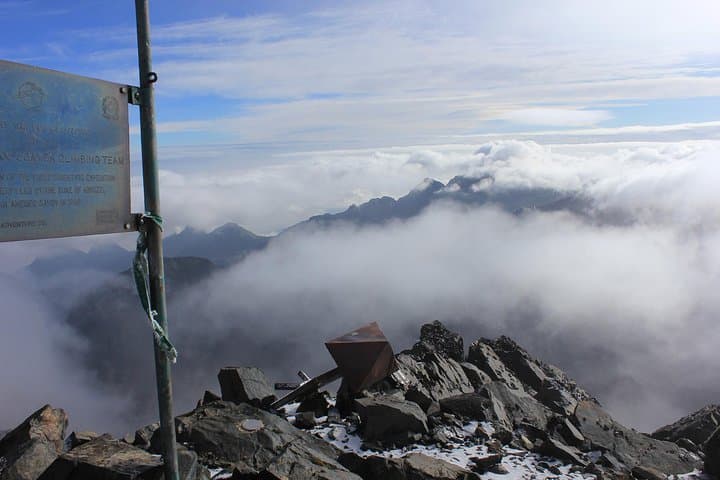
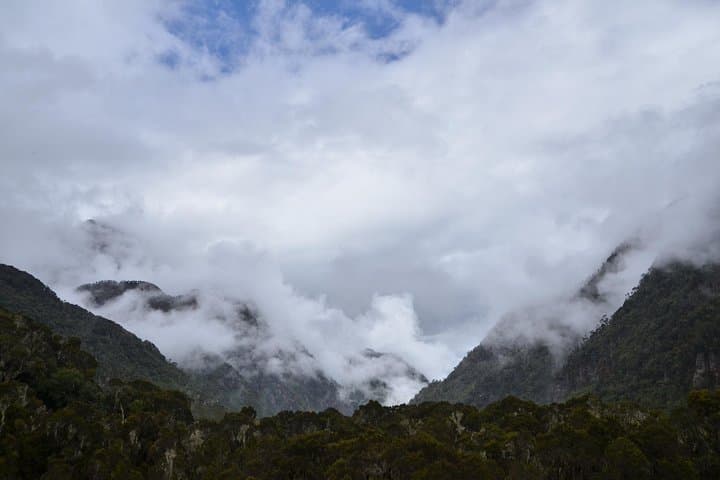
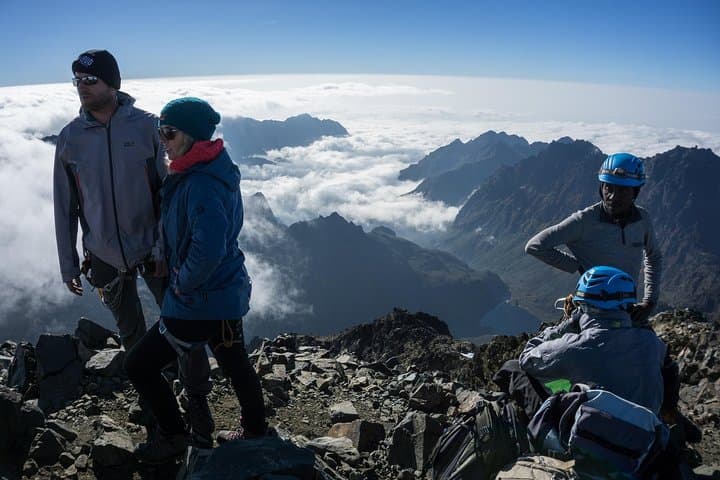
Dawn breaks over a high alpine plain as your group tightens packs and follows a thin line of boot prints into the cloud. Moss pulls at your boots, bamboo thickets snap back, and the air thins with each switchback as the Rwenzori—often called the Mountains of the Moon—pushes skyward along the Uganda–Congo border.
Dawn breaks over a high alpine plain as your group tightens packs and follows a thin line of boot prints into the cloud. Moss pulls at your boots, bamboo thickets snap back, and the air thins with each switchback as the Rwenzori—often called the Mountains of the Moon—pushes skyward along the Uganda–Congo border.
This nine-day circuit climbs from Nyakalengija through a succession of ecosystems: lowland plantations, bamboo forests, giant heather zones and glacial moraine beneath Punta Margherita (about 5,109 m). The range is an old uplifted massif in the Albertine Rift, carved by ice and weather; what remains are permanent glaciers, boggy plateaus and rare plants like giant groundsel.
The Bakonzo people live in the foothills; villages offer brief cultural breaks on quieter days of the trek. Wildlife includes turacos and primates in lower forest, while the high alpine hosts fewer mammals but dramatic vistas of Mount Stanley and neighboring peaks.
Practicalities matter: expect sustained ascents to 4,500–5,100 m, daily hikes of 4–6 hours on mixed terrain, and nights in mountain huts at 2,650–4,540 m. Guides and porters handle route-finding and camp logistics; park permits and hiring equipment at Nyakalengija are standard.
Pack layers for freezing summit mornings, bring crampons and an ice axe for glacier sections, and plan for wet bogs—gaiters and waterproofs are essential. Allow acclimatization time, prioritize hydration, and be prepared for sudden weather shifts; the climb rewards technical effort with raw glacier views and an unmatched highland silence.