THE ADVENTURE COLLECTIVE® · Independent discovery and booking for outdoor travel

Follow Dian Fossey’s route across Rwanda on a nine-day primate study and gorilla-trekking circuit. Expect montane forest treks, lake shore sunsets and guided encounters with chimpanzees and mountain gorillas.
Follow Dian Fossey’s route across Rwanda on a nine-day primate study and gorilla-trekking circuit. Expect montane forest treks, lake shore sunsets and guided encounters with chimpanzees and mountain gorillas.
You step off the vehicle into highland air that smells of wet earth and eucalyptus—Volcanoes National Park’s ridgelines loom, clouds pulling themselves like slow currents over old lava.
Verified experiences and guided adventures in the surrounding area.
Operated by VIRUNGA ECOTOURS · Kigali, Kigali
You step off the vehicle into highland air that smells of wet earth and eucalyptus—Volcanoes National Park’s ridgelines loom, clouds pulling themselves like slow currents over old lava.
This nine-day field study follows in Dian Fossey’s footsteps, moving from Kigali’s tidy streets to the rolling savannah of Akagera, the cathedral canopy of Nyungwe, the placid shores of Lake Kivu and the steep, fern-lined slopes around Musanze. Geology here is blunt and recent: a chain of Virunga volcanoes carved from tectonic tension, soils heavy with volcanic ash that feed dense montane forest. Culturally the route threads Rwanda’s post-colonial recovery, traditional royal sites in Butare and lakeside fishing communities at Kibuye—people whose daily rhythm shapes and is shaped by the land.
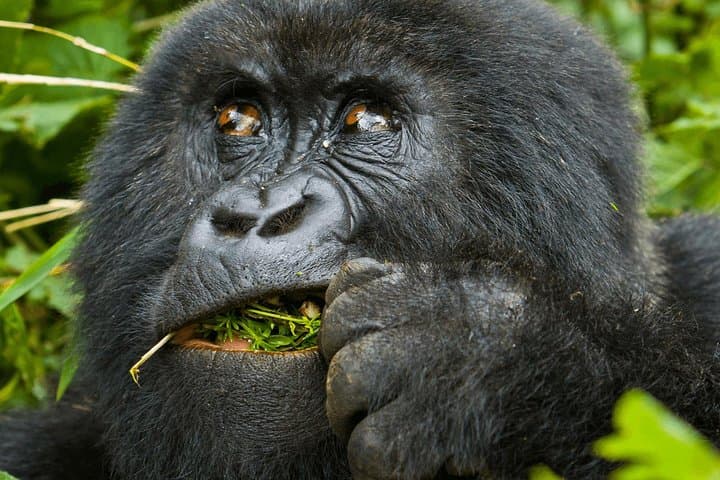
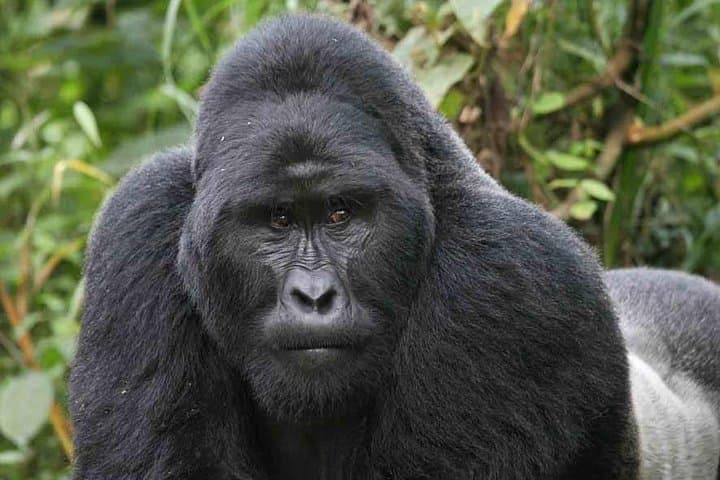
In the field you’ll observe 13 primate species in Nyungwe and stand, often within meters, before a family of mountain gorillas at Volcanoes NP. Trek lengths vary—expect 2–8 hours of steep, muddy routes with 300–1,000 m elevation change on some days—and trails that demand sure footing more than technical gear.
Practical guidance is straightforward: permits and guides are mandatory for gorilla encounters; pack layered rain gear and sturdy boots; move quietly and follow your guide’s distance rules to protect both you and the animals. Hydration, insect repellent and respect for local livelihoods are essential. This is field study and safari wrapped into one—an accessible but physically engaging exploration where the forest will test your legs and the wildlife will test your attention.
challenging.
9 days.
Moderate to strong cardiovascular fitness recommended; ability to hike 4–6 hours over uneven, sometimes steep terrain.
Yes—gorilla permits are required and limited; they must be booked in advance through Rwanda’s park authorities or an authorized operator.
Trek difficulty varies from short walks to strenuous, muddy ascents; trips can last 2–8 hours depending on gorilla movement and trail conditions.
Routine vaccinations are recommended and travelers should have yellow fever vaccination if required by transit countries; consult a travel clinic for up-to-date advice and malaria prophylaxis guidance.
Rules vary—gorilla permits often have age minimums and infants must follow park and tour operator policies; check booking requirements and travel health guidance.
The itinerary traces sites tied to Dian Fossey’s conservation work and Rwanda’s royal and colonial history, including Nyanza’s King’s Palace and Karisoke research areas.
Rwanda’s parks operate strong community-based conservation programs; visitors are expected to minimize disease transmission and support local economies through licensed guides and lodgings.
VIRUNGA ECOTOURS operates guided outdoor trips and adventures with an emphasis on safety, stewardship, and memorable experiences.
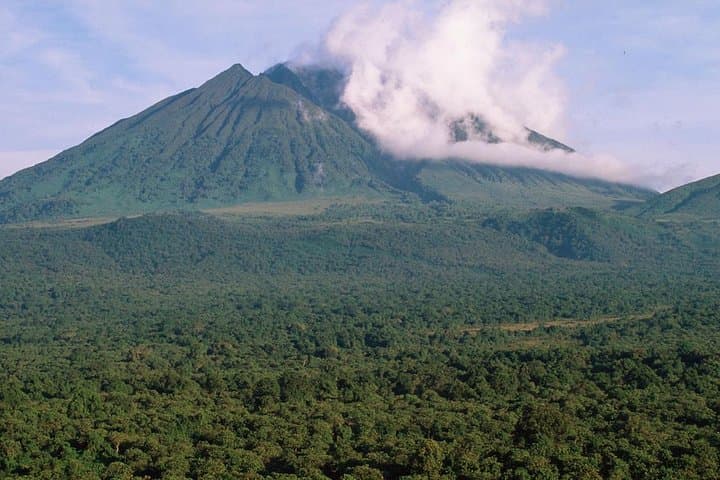
You step off the vehicle into highland air that smells of wet earth and eucalyptus—Volcanoes National Park’s ridgelines loom, clouds pulling themselves like slow currents over old lava.
You step off the vehicle into highland air that smells of wet earth and eucalyptus—Volcanoes National Park’s ridgelines loom, clouds pulling themselves like slow currents over old lava.
This nine-day field study follows in Dian Fossey’s footsteps, moving from Kigali’s tidy streets to the rolling savannah of Akagera, the cathedral canopy of Nyungwe, the placid shores of Lake Kivu and the steep, fern-lined slopes around Musanze. Geology here is blunt and recent: a chain of Virunga volcanoes carved from tectonic tension, soils heavy with volcanic ash that feed dense montane forest. Culturally the route threads Rwanda’s post-colonial recovery, traditional royal sites in Butare and lakeside fishing communities at Kibuye—people whose daily rhythm shapes and is shaped by the land.
In the field you’ll observe 13 primate species in Nyungwe and stand, often within meters, before a family of mountain gorillas at Volcanoes NP. Trek lengths vary—expect 2–8 hours of steep, muddy routes with 300–1,000 m elevation change on some days—and trails that demand sure footing more than technical gear.
Practical guidance is straightforward: permits and guides are mandatory for gorilla encounters; pack layered rain gear and sturdy boots; move quietly and follow your guide’s distance rules to protect both you and the animals. Hydration, insect repellent and respect for local livelihoods are essential. This is field study and safari wrapped into one—an accessible but physically engaging exploration where the forest will test your legs and the wildlife will test your attention.