THE ADVENTURE COLLECTIVE® · Independent discovery and booking for outdoor travel

Pedal through Kigali’s neighborhoods and the rolling hills beyond on guided rides that range from three-hour cultural loops to multi-day tours to Lake Muhazi and Bugesera. Expect paved and compact-dirt roads, short steep climbs, and frequent village stops for food and local connection.
Pedal through Kigali’s neighborhoods and the rolling hills beyond on guided rides that range from three-hour cultural loops to multi-day tours to Lake Muhazi and Bugesera. Expect paved and compact-dirt roads, short steep climbs, and frequent village stops for food and local connection.
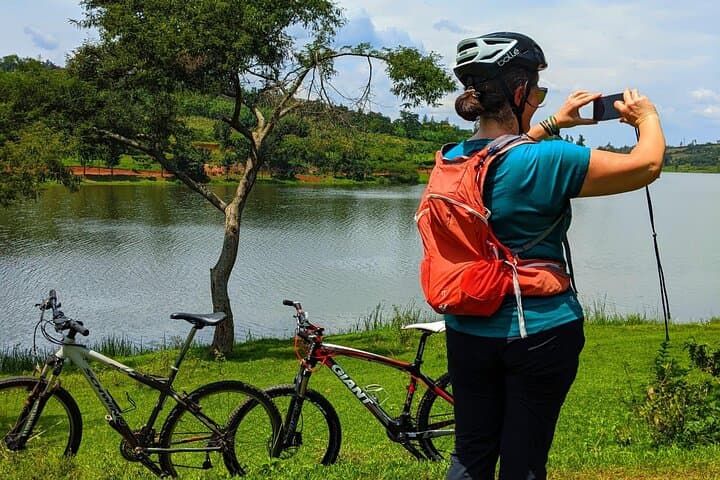
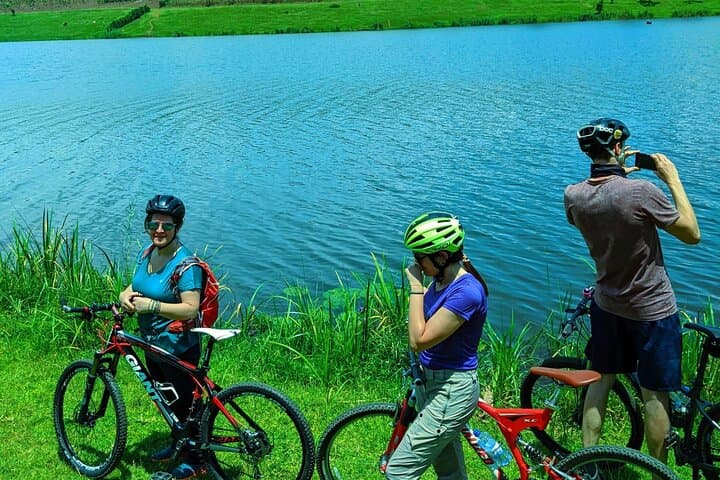
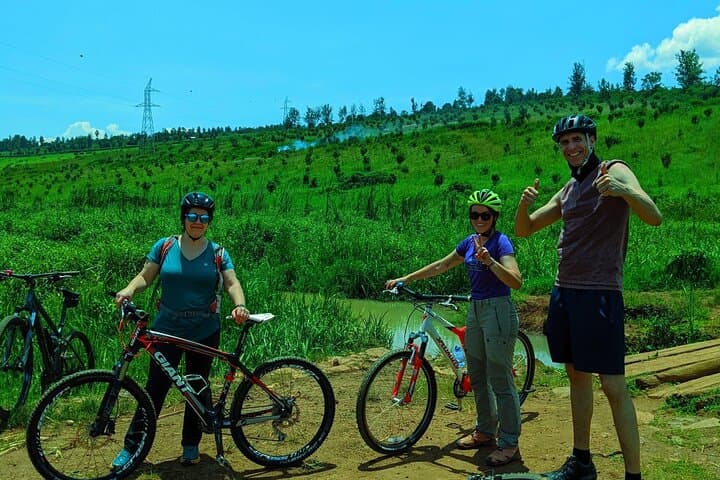
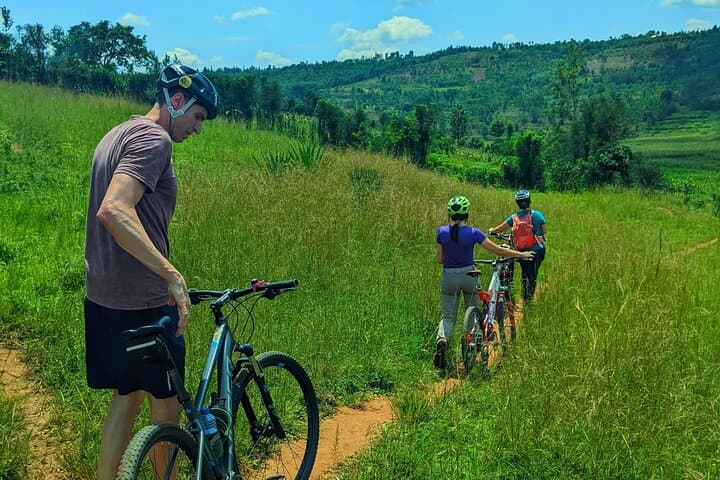
A morning in Kigali begins with the soft clack of pedals and the smell of fresh banana leaves—the city recedes as riders drop into a patchwork of green ridges and lakeshores.
Verified experiences and guided adventures in the surrounding area.
Operated by Iriza Tours & Safaris · Kigali, Kigali City
A morning in Kigali begins with the soft clack of pedals and the smell of fresh banana leaves—the city recedes as riders drop into a patchwork of green ridges and lakeshores.
This guided cycling experience threads urban neighborhoods, tea and banana farms, and quiet villages. Routes vary: a brisk three-hour loop around Kigali, a day ride to Lake Muhazi’s shelved shoreline, or multi-day itineraries that push farther into Bugesera’s flatlands. Terrain is mostly paved secondary roads with stretches of compact dirt; expect short, sharp climbs and long, rolling descents. Single-day rides commonly span 20–40 km with 300–800 m of elevation gain; multi-day totals scale with distance and rest days.
Rwanda’s hills are young, weathered rift highlands—volcanic soils feed tea terraces and banana patches, while lakes formed in basin depressions punctuate the landscape. Guides weave in local history: colonial-era trade routes, community cooperatives, and post-1990s recovery that transformed tourism into a lifeline for rural economies.
Practical guidance: arrive with basic bike-handling skills, plan for mid-day heat and sudden showers, and rely on a support vehicle for multi-day options. Helmets and bicycles are supplied; guides carry snacks, bottled water, and local knowledge. Ride early to avoid traffic, bring cash for market stops, and allow time to dismount and meet villagers—those conversations are the real altitude gain.
Whether choosing a short cultural spin or a multi-day exploration, expect purposeful pacing, approachable climbs, and a series of small discoveries that accumulate into a fuller picture of Rwanda beyond the highway.
moderate.
3 hours–7 days.
Participants should have moderate cardiovascular fitness and be comfortable on mixed paved and compact-dirt roads for several hours.
Yes—bicycles and helmets are provided; specialty bike requests should be arranged in advance.
A moderate fitness level is recommended: comfortable riding 20–40 km with short climbs for single-day routes; multi-day tours require sustained daily effort.
For multi-day tours a support vehicle is available to carry luggage and transport riders who need a break; single-day tours are run with guides who can adjust pace.
Local guides commonly speak English and Kinyarwanda; French may be available on request depending on the guide roster.
Routes cross areas shaped by colonial-era roadways and post-1994 community rebuilding; cycling tours often include stops at cooperatives and markets that reflect Rwanda’s social recovery.
Choose operators who support local guides and community enterprises, avoid single-use plastics, and stick to roads to minimize erosion on fragile slopes.
Iriza Tours & Safaris operates guided outdoor trips and adventures with an emphasis on safety, stewardship, and memorable experiences.
A morning in Kigali begins with the soft clack of pedals and the smell of fresh banana leaves—the city recedes as riders drop into a patchwork of green ridges and lakeshores.
A morning in Kigali begins with the soft clack of pedals and the smell of fresh banana leaves—the city recedes as riders drop into a patchwork of green ridges and lakeshores.
This guided cycling experience threads urban neighborhoods, tea and banana farms, and quiet villages. Routes vary: a brisk three-hour loop around Kigali, a day ride to Lake Muhazi’s shelved shoreline, or multi-day itineraries that push farther into Bugesera’s flatlands. Terrain is mostly paved secondary roads with stretches of compact dirt; expect short, sharp climbs and long, rolling descents. Single-day rides commonly span 20–40 km with 300–800 m of elevation gain; multi-day totals scale with distance and rest days.
Rwanda’s hills are young, weathered rift highlands—volcanic soils feed tea terraces and banana patches, while lakes formed in basin depressions punctuate the landscape. Guides weave in local history: colonial-era trade routes, community cooperatives, and post-1990s recovery that transformed tourism into a lifeline for rural economies.
Practical guidance: arrive with basic bike-handling skills, plan for mid-day heat and sudden showers, and rely on a support vehicle for multi-day options. Helmets and bicycles are supplied; guides carry snacks, bottled water, and local knowledge. Ride early to avoid traffic, bring cash for market stops, and allow time to dismount and meet villagers—those conversations are the real altitude gain.
Whether choosing a short cultural spin or a multi-day exploration, expect purposeful pacing, approachable climbs, and a series of small discoveries that accumulate into a fuller picture of Rwanda beyond the highway.