THE ADVENTURE COLLECTIVE® · Independent discovery and booking for outdoor travel

Spend a day in Rwanda’s southern highlands walking coffee rows, tasting freshly roasted beans and visiting the King’s Palace Museum. This full-day private tour blends agricultural insight with cultural history and local craft shopping.
Spend a day in Rwanda’s southern highlands walking coffee rows, tasting freshly roasted beans and visiting the King’s Palace Museum. This full-day private tour blends agricultural insight with cultural history and local craft shopping.
You step off the minivan into a lane of coffee trees, damp earth underfoot and a warm, grassy breeze nudging ripe cherries toward the path. The southern Rwandan highlands open like a patchwork of small farms and terraced fields; the air smells of roasted bean, wood smoke and wet soil. The day unfolds between shaded plantation rows and the low, ornate rafters of the King’s Palace Museum, where carved royal dwellings recall pre-colonial life.
Verified experiences and guided adventures in the surrounding area.
Operated by Judith Safaris · Huye, Southern Province
You step off the minivan into a lane of coffee trees, damp earth underfoot and a warm, grassy breeze nudging ripe cherries toward the path. The southern Rwandan highlands open like a patchwork of small farms and terraced fields; the air smells of roasted bean, wood smoke and wet soil. The day unfolds between shaded plantation rows and the low, ornate rafters of the King’s Palace Museum, where carved royal dwellings recall pre-colonial life.
Coffee arrived in Rwanda with German missionaries in 1893 and has since become a global specialty product; Huye and surrounding districts refined processing techniques that producers now export worldwide. Geologically, these fields sit on volcanic soils—rich, well-draining and high in organic matter—helping explain the cup’s bright acidity and floral notes. Culturally, the route connects living farming practices with the historical court at Nyanza, offering a short, layered view of Rwanda’s agrarian backbone and monarchy-era craft traditions.
Practically, expect 8–10 hours including private transport, a guided walk through processing steps, a demonstration roast, museum time, and a local lunch. Trails through the farm are uneven and sometimes muddy; plan for 1–3 km of walking at roughly 1,600–1,800 m elevation. Bring a camera, cash for artisan stalls, and modest clothing for the museum. Hydrate early—highland sun can feel strong despite cool mornings—and reserve at least a full day to absorb both agricultural technique and cultural context.
moderate.
8–10 hours.
Moderate fitness for several short walks on uneven terrain and a full day of activity at altitude.
Expect 1–3 km of walking on uneven plantation trails and short walks around the King’s Palace grounds; nothing technical but comfortable shoes are recommended.
Yes—private transportation is included as part of the full-day private tour from your pickup point.
Yes—most tours include a chance to purchase freshly roasted beans and locally made crafts from artisans.
A local lunch and snacks are included; inform the operator of dietary restrictions when booking.
Coffee was introduced to Rwanda in the late 19th century by missionaries; the King’s Palace Museum preserves royal architecture and artifacts from pre-colonial Rwanda.
Many smallholders now use shade-grown and cooperative processing to improve soil health and incomes; visitors can support sustainable practices by buying direct from farmers.
Judith Safaris operates guided outdoor trips and adventures with an emphasis on safety, stewardship, and memorable experiences.
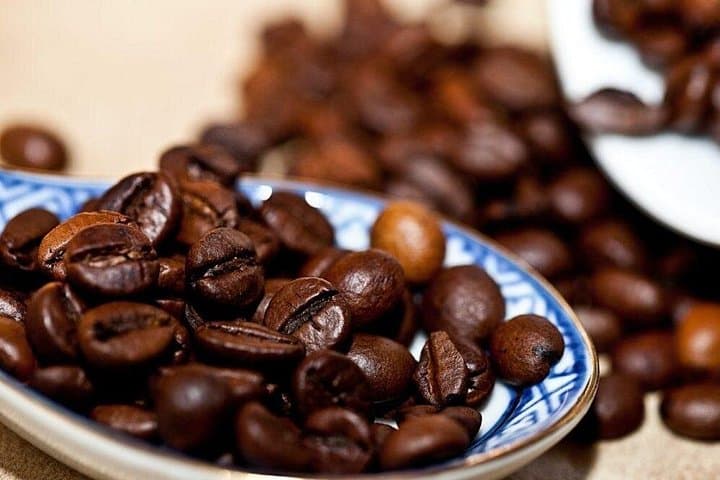

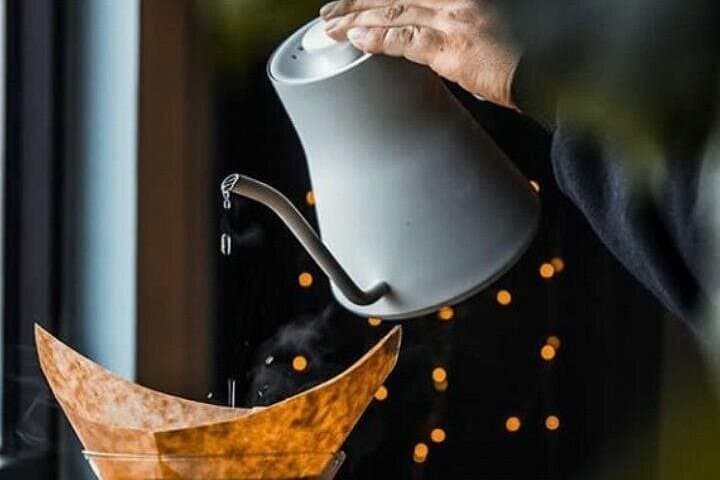
You step off the minivan into a lane of coffee trees, damp earth underfoot and a warm, grassy breeze nudging ripe cherries toward the path. The southern Rwandan highlands open like a patchwork of small farms and terraced fields; the air smells of roasted bean, wood smoke and wet soil. The day unfolds between shaded plantation rows and the low, ornate rafters of the King’s Palace Museum, where carved royal dwellings recall pre-colonial life.
You step off the minivan into a lane of coffee trees, damp earth underfoot and a warm, grassy breeze nudging ripe cherries toward the path. The southern Rwandan highlands open like a patchwork of small farms and terraced fields; the air smells of roasted bean, wood smoke and wet soil. The day unfolds between shaded plantation rows and the low, ornate rafters of the King’s Palace Museum, where carved royal dwellings recall pre-colonial life.
Coffee arrived in Rwanda with German missionaries in 1893 and has since become a global specialty product; Huye and surrounding districts refined processing techniques that producers now export worldwide. Geologically, these fields sit on volcanic soils—rich, well-draining and high in organic matter—helping explain the cup’s bright acidity and floral notes. Culturally, the route connects living farming practices with the historical court at Nyanza, offering a short, layered view of Rwanda’s agrarian backbone and monarchy-era craft traditions.
Practically, expect 8–10 hours including private transport, a guided walk through processing steps, a demonstration roast, museum time, and a local lunch. Trails through the farm are uneven and sometimes muddy; plan for 1–3 km of walking at roughly 1,600–1,800 m elevation. Bring a camera, cash for artisan stalls, and modest clothing for the museum. Hydrate early—highland sun can feel strong despite cool mornings—and reserve at least a full day to absorb both agricultural technique and cultural context.