THE ADVENTURE COLLECTIVE® · Independent discovery and booking for outdoor travel

Walk the Ruta del Sillar north of Arequipa to see where the city's iconic white stone is born. Meet stonemasons, explore a narrow volcanic gorge, and read pre-Inca petroglyphs in a landscape shaped by fire and water.
Walk the Ruta del Sillar north of Arequipa to see where the city's iconic white stone is born. Meet stonemasons, explore a narrow volcanic gorge, and read pre-Inca petroglyphs in a landscape shaped by fire and water.
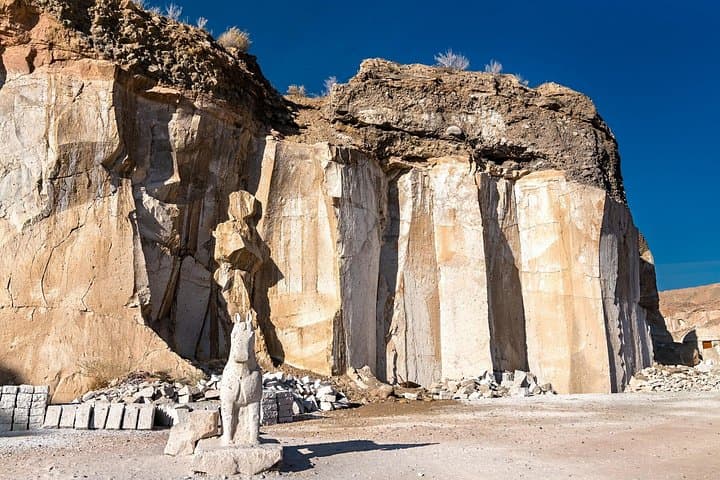
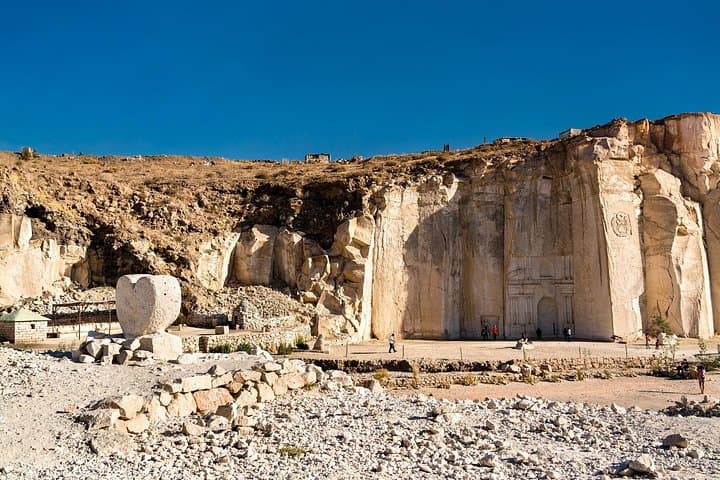
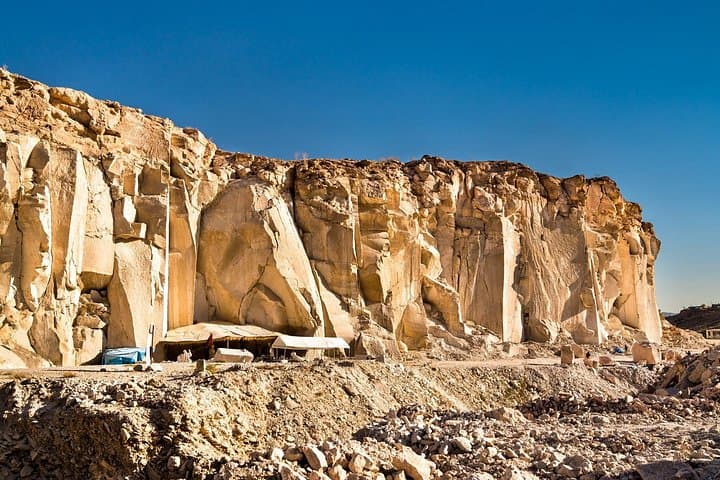
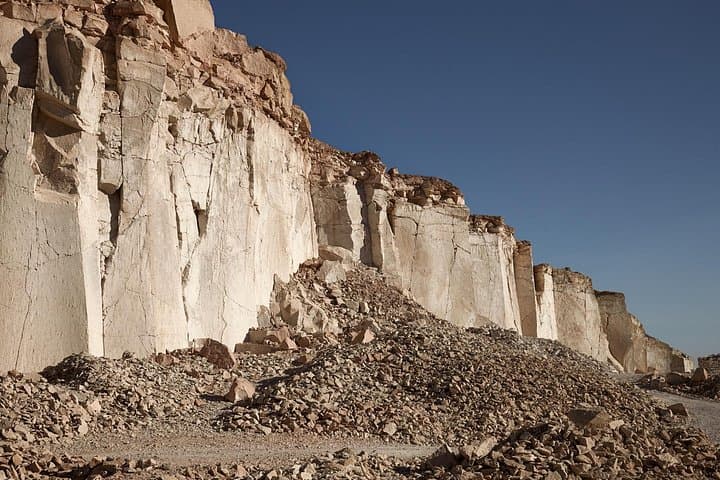
You step out of Arequipa's morning haze and the city falls away; a ribbon of dusty road leads north where the land has been worked by hand for centuries. White cliffs rise like folded pages of volcanic rock — the sillar — and the quarry walls hold the marks of chisels, hands and time.
Verified experiences and guided adventures in the surrounding area.
Operated by Aremika Travel · Arequipa, Arequipa
You step out of Arequipa's morning haze and the city falls away; a ribbon of dusty road leads north where the land has been worked by hand for centuries. White cliffs rise like folded pages of volcanic rock — the sillar — and the quarry walls hold the marks of chisels, hands and time.
This route follows the source of Arequipa’s signature stone. Geologically, sillar is a porphyritic rhyolite formed from ancient volcanic ash deposited by Misti and other volcanoes. At Añashuayco you watch master stonemasons carve blocks directly from canyon walls, using techniques passed down through generations that shaped the colonial facades of the “White City.” Further along, Culebrillas Gorge narrows into a wind-and-water cut ravine where pre-Inca petroglyphs punctuate exposed strata and tell of human passage long before Spanish settlement.
Locals read the stone as both resource and culture: quarries are working places where art, ritual and economy overlap. Photographers will find graphic contrasts; history buffs will trace colonial architecture back to this raw material.
Practical guidance: the tour is an easy, mostly flat set of short walks through canyons — expect 40–60 minutes at each stop. Wear closed-toe shoes for uneven rock and bring sun protection; mornings are cooler and lighting is best for photos. Respect working areas and local artisans: ask before photographing people at work. Hydrate before and during the trip; potable water is limited on-site. If you have mobility limitations, check with the operator about access — some canyon sections are narrow and require stepping over low ledges.
easy.
5–6 hours.
Suitable for most fitness levels; requires short, easy hikes and standing when viewing quarry walls.
The experience runs about six hours and typically includes round-trip transport from central Arequipa, a bilingual guide and entrance fees to the quarries shown on the itinerary.
Yes; the tour is rated easy with short, flat sections, but narrow canyon gaps may require stepping—check accessibility with the operator if mobility is limited.
Artisan-made sillar items are often available at quarry workshops; buying directly supports local stonemasons but check customs rules if transporting large stone pieces home.
Active quarry areas and loose rock present risks—follow your guide’s instructions, stay behind barriers and avoid touching uncured stone or heavy tools.
The sillar industry dates to colonial times when volcanic ash stone was quarried to build Arequipa’s baroque churches and civic buildings; quarries remained central to the city's architecture and identity.
Quarrying is a working landscape—respect for artisanal practices and minimizing litter are priorities; stick to marked paths to avoid destabilizing rock faces.
Aremika Travel operates guided outdoor trips and adventures with an emphasis on safety, stewardship, and memorable experiences.
You step out of Arequipa's morning haze and the city falls away; a ribbon of dusty road leads north where the land has been worked by hand for centuries. White cliffs rise like folded pages of volcanic rock — the sillar — and the quarry walls hold the marks of chisels, hands and time.
You step out of Arequipa's morning haze and the city falls away; a ribbon of dusty road leads north where the land has been worked by hand for centuries. White cliffs rise like folded pages of volcanic rock — the sillar — and the quarry walls hold the marks of chisels, hands and time.
This route follows the source of Arequipa’s signature stone. Geologically, sillar is a porphyritic rhyolite formed from ancient volcanic ash deposited by Misti and other volcanoes. At Añashuayco you watch master stonemasons carve blocks directly from canyon walls, using techniques passed down through generations that shaped the colonial facades of the “White City.” Further along, Culebrillas Gorge narrows into a wind-and-water cut ravine where pre-Inca petroglyphs punctuate exposed strata and tell of human passage long before Spanish settlement.
Locals read the stone as both resource and culture: quarries are working places where art, ritual and economy overlap. Photographers will find graphic contrasts; history buffs will trace colonial architecture back to this raw material.
Practical guidance: the tour is an easy, mostly flat set of short walks through canyons — expect 40–60 minutes at each stop. Wear closed-toe shoes for uneven rock and bring sun protection; mornings are cooler and lighting is best for photos. Respect working areas and local artisans: ask before photographing people at work. Hydrate before and during the trip; potable water is limited on-site. If you have mobility limitations, check with the operator about access — some canyon sections are narrow and require stepping over low ledges.