THE ADVENTURE COLLECTIVE® · Independent discovery and booking for outdoor travel

A ten-day private circuit through Rajasthan that pairs Mughal monuments with Rajput forts and morning safaris in Ranthambore. Expect long drives, cultural immersion, and high chances for wildlife encounters if you time safaris at dawn.
A ten-day private circuit through Rajasthan that pairs Mughal monuments with Rajput forts and morning safaris in Ranthambore. Expect long drives, cultural immersion, and high chances for wildlife encounters if you time safaris at dawn.
You step off the highway into a palette of sunbaked pink walls and the sharp air of a Thar-side morning — Jaipur’s streets hum while the Aravalli hills stand low and ancient to the west. Over the next ten days the landscape shifts from New Delhi’s broad avenues to the market-laced lanes of Jodhpur, the mirror-calm lakes of Udaipur and the scrub forests around Ranthambore where the jungle breathes slow and deep.
Verified experiences and guided adventures in the surrounding area.
Operated by Indian Golden Triangle Tour · Jaipur, Rajasthan
You step off the highway into a palette of sunbaked pink walls and the sharp air of a Thar-side morning — Jaipur’s streets hum while the Aravalli hills stand low and ancient to the west. Over the next ten days the landscape shifts from New Delhi’s broad avenues to the market-laced lanes of Jodhpur, the mirror-calm lakes of Udaipur and the scrub forests around Ranthambore where the jungle breathes slow and deep.
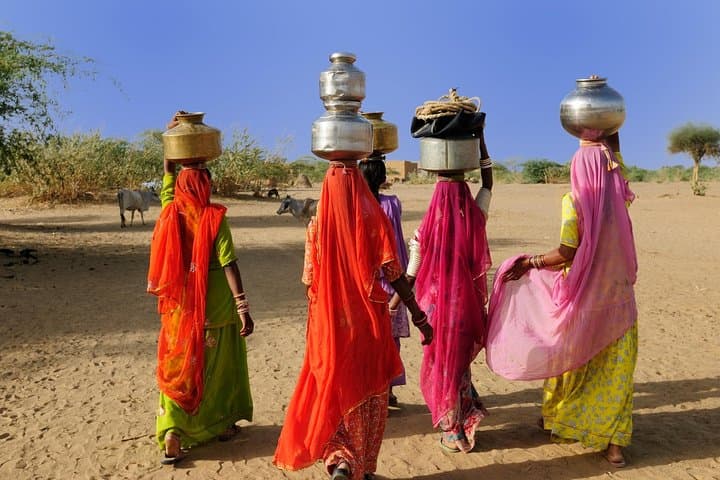
This route threads Mughal and Rajput chapters of India’s history: Humayun’s red-sand tombs, Shah Jahan’s marble in Agra, and Mehrangarh’s basalt ramparts in Jodhpur. Geologically, the Aravalli Range is one of the world’s oldest folded ranges, its low ridges shaping microclimates that feed Udaipur’s lakes and Ranthambore’s dry deciduous forests. Culture is tactile here — block-printed textiles, fortress courtyards, and the Rajasthani greeting “Kesariya baalam” that underlines local hospitality.
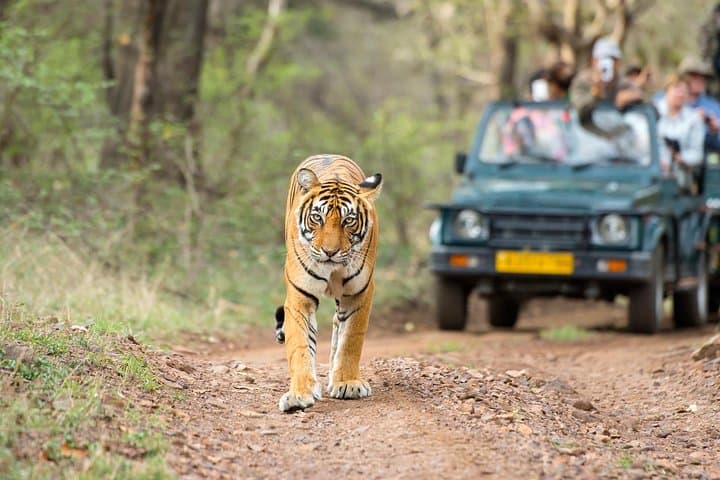
Practical edge: expect long coach transfers (4–6 hours between major cities) on sealed roads, modest elevation changes (mostly under 500 m), and dusty, hot afternoons in summer. Ranthambore safaris run best at dawn and dusk when animals move; bring binoculars and a neutral-colored jacket for blending into shaded forest edges. Hydrate constantly, carry sunscreen and a lightweight scarf to block dust. Respect temple dress codes and local customs in markets. Accommodations are hotel-based with private transport and guided sightseeing included, so plan to move gear frequently but stay comfortably. If you want wildlife, prioritize the morning jeep safaris — the forest will test your patience, and reward it with sudden, unforgettable sightings.
moderate.
10 days.
Suitable for travelers with average fitness; expect multiple full-day drives, short walking tours on uneven surfaces, and brief jeep safaris.
Expect several long drives between cities—typically 4–6 hours per transfer—so plan for early departures, rest stops, and scenic breaks en route.
No wildlife sighting can be guaranteed; safaris at dawn and dusk increase your chances, and park guides know likely areas based on recent sightings.
The itinerary includes 3–5 star hotel nights on twin-sharing basis; specific hotels depend on booking choices and availability.
Standard travel vaccinations are recommended; ensure your passport is valid and carry any required visas — safari permits are handled as part of the tour arrangements.
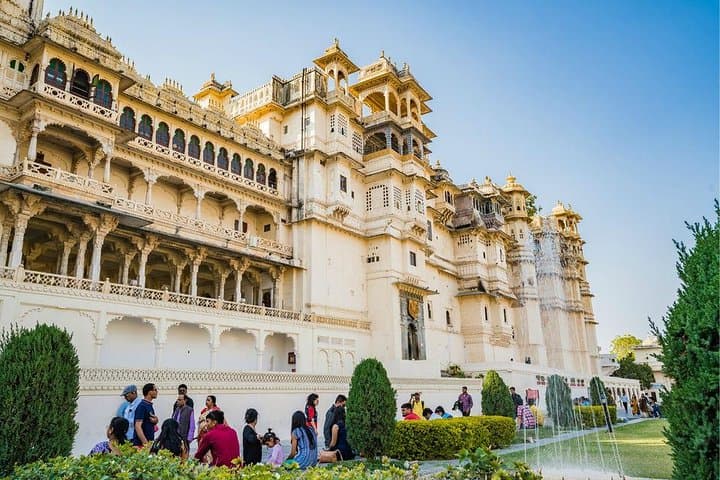
Rajasthan was a mosaic of princely states ruled by Rajput clans; many forts and palaces date from medieval conflicts and later Mughal influence, reflected in hybrid architecture.
Ranthambore is a key tiger reserve focused on habitat protection and anti-poaching; travelers can support conservation by following park rules, minimizing noise, and not feeding wildlife.
Indian Golden Triangle Tour operates guided outdoor trips and adventures with an emphasis on safety, stewardship, and memorable experiences.

You step off the highway into a palette of sunbaked pink walls and the sharp air of a Thar-side morning — Jaipur’s streets hum while the Aravalli hills stand low and ancient to the west. Over the next ten days the landscape shifts from New Delhi’s broad avenues to the market-laced lanes of Jodhpur, the mirror-calm lakes of Udaipur and the scrub forests around Ranthambore where the jungle breathes slow and deep.
You step off the highway into a palette of sunbaked pink walls and the sharp air of a Thar-side morning — Jaipur’s streets hum while the Aravalli hills stand low and ancient to the west. Over the next ten days the landscape shifts from New Delhi’s broad avenues to the market-laced lanes of Jodhpur, the mirror-calm lakes of Udaipur and the scrub forests around Ranthambore where the jungle breathes slow and deep.
This route threads Mughal and Rajput chapters of India’s history: Humayun’s red-sand tombs, Shah Jahan’s marble in Agra, and Mehrangarh’s basalt ramparts in Jodhpur. Geologically, the Aravalli Range is one of the world’s oldest folded ranges, its low ridges shaping microclimates that feed Udaipur’s lakes and Ranthambore’s dry deciduous forests. Culture is tactile here — block-printed textiles, fortress courtyards, and the Rajasthani greeting “Kesariya baalam” that underlines local hospitality.
Practical edge: expect long coach transfers (4–6 hours between major cities) on sealed roads, modest elevation changes (mostly under 500 m), and dusty, hot afternoons in summer. Ranthambore safaris run best at dawn and dusk when animals move; bring binoculars and a neutral-colored jacket for blending into shaded forest edges. Hydrate constantly, carry sunscreen and a lightweight scarf to block dust. Respect temple dress codes and local customs in markets. Accommodations are hotel-based with private transport and guided sightseeing included, so plan to move gear frequently but stay comfortably. If you want wildlife, prioritize the morning jeep safaris — the forest will test your patience, and reward it with sudden, unforgettable sightings.