THE ADVENTURE COLLECTIVE® · Independent discovery and booking for outdoor travel

A full-day, off-road exploration from Rustavi to the David Gareja cave monasteries mixes Soviet-era industrial panoramas with ancient rock-cut churches and a rural wine tasting. Expect dusty tracks, short uneven hikes, and vivid photographic viewpoints.
A full-day, off-road exploration from Rustavi to the David Gareja cave monasteries mixes Soviet-era industrial panoramas with ancient rock-cut churches and a rural wine tasting. Expect dusty tracks, short uneven hikes, and vivid photographic viewpoints.
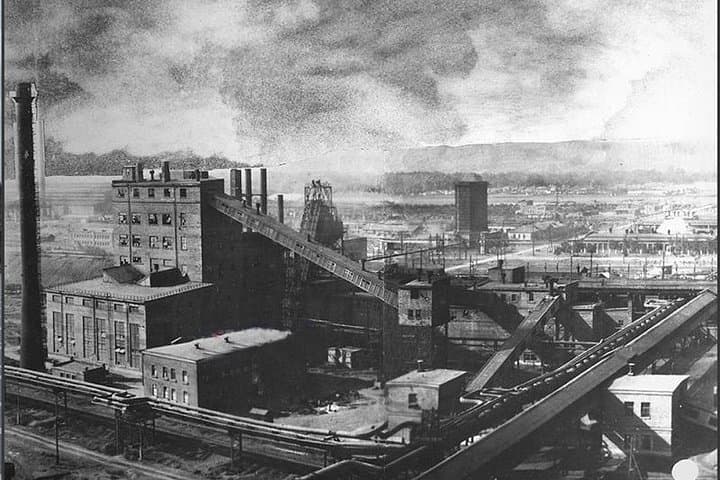
You hit the road from Tbilisi before sunrise and the low sun lances across an industrial skyline — Rustavi's former Soviet steelworks carving silhouettes against a pale sky. The van drops onto dusty tracks; the landscape opens into terraced badlands where caves are cut straight into the red-streaked rock and winds seem to push you toward the next ridge.
Verified experiences and guided adventures in the surrounding area.
Operated by Wonderful Travel · Rustavi, Kvemo Kartli
You hit the road from Tbilisi before sunrise and the low sun lances across an industrial skyline — Rustavi's former Soviet steelworks carving silhouettes against a pale sky. The van drops onto dusty tracks; the landscape opens into terraced badlands where caves are cut straight into the red-streaked rock and winds seem to push you toward the next ridge.
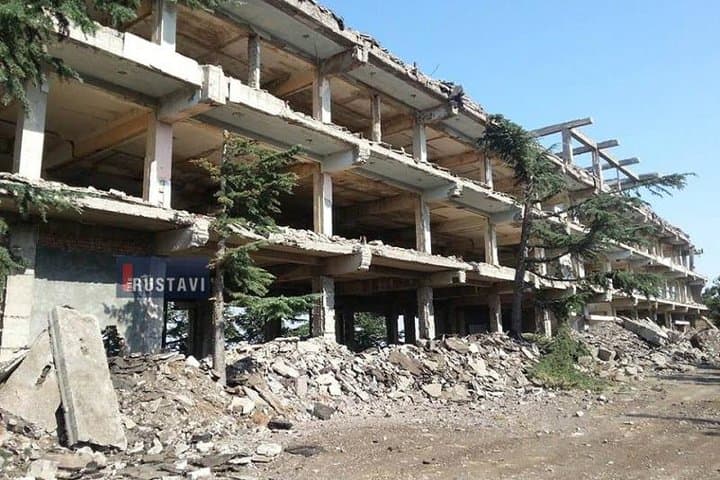
This route stitches together Georgia’s layered past: 6th-century cave monasteries at David Gareja with original fresco fragments, squat watchtowers, and a landscape that has held shepherds, hermits, and border patrols. Geologically this is a semi-arid plateau of claystone and conglomerates—rain carves gullies, and colors shift from ochre to rust in an hour. Rustavi’s concrete factories tell the Soviet industrial story nearby, and small family-run wineries keep the older Georgian viticulture traditions alive.
Expect mainly short walks on uneven, rocky trails and some off-road bumpy driving; photography opportunities are constant from ridge viewpoints and monastery courtyards. Local guides often pair the route with a basic wine tasting in a nearby village — fresh bread, sharp qvevri wine, and conversation.
Practical notes: wear sturdy shoes, sun protection, and bring at least 2 liters of water; some monastery sections are exposed with no shade. Parts of the Gareja area are close to the Azerbaijan border and can be restricted—confirm access in advance. The tour is compact (roughly 5–7 hours) and accessible to most fitness levels, but be prepared for dust, uneven steps, and sudden gusts of wind that sharpen the landscape’s character.
moderate.
5–7 hours.
Suitable for most people who can handle several short uphill sections and uneven ground; minimal sustained endurance required.
The excursion runs about 5–7 hours, including drive time, short walks at multiple monastic sites, and a wine tasting stop.
Generally yes, but sections near the border may be temporarily closed and winter can bring muddy roads—confirm with the operator.
Most cave monasteries at David Gareja do not charge a formal entrance fee, though donations to conservation or guide fees are common.
Yes; the tour is physically easy for most, but uneven steps and exposure mean moderate mobility is recommended—inform the operator of special needs.
David Gareja monastery complex dates to the 6th century and reflects early Georgian monasticism; Rustavi grew into a major Soviet steel town in the 20th century.
The semi-arid plateau is fragile—stick to paths to avoid erosion and refrain from touching fragile frescoes; local operators discourage littering and unregulated climbing.
Wonderful Travel operates guided outdoor trips and adventures with an emphasis on safety, stewardship, and memorable experiences.

You hit the road from Tbilisi before sunrise and the low sun lances across an industrial skyline — Rustavi's former Soviet steelworks carving silhouettes against a pale sky. The van drops onto dusty tracks; the landscape opens into terraced badlands where caves are cut straight into the red-streaked rock and winds seem to push you toward the next ridge.
You hit the road from Tbilisi before sunrise and the low sun lances across an industrial skyline — Rustavi's former Soviet steelworks carving silhouettes against a pale sky. The van drops onto dusty tracks; the landscape opens into terraced badlands where caves are cut straight into the red-streaked rock and winds seem to push you toward the next ridge.
This route stitches together Georgia’s layered past: 6th-century cave monasteries at David Gareja with original fresco fragments, squat watchtowers, and a landscape that has held shepherds, hermits, and border patrols. Geologically this is a semi-arid plateau of claystone and conglomerates—rain carves gullies, and colors shift from ochre to rust in an hour. Rustavi’s concrete factories tell the Soviet industrial story nearby, and small family-run wineries keep the older Georgian viticulture traditions alive.
Expect mainly short walks on uneven, rocky trails and some off-road bumpy driving; photography opportunities are constant from ridge viewpoints and monastery courtyards. Local guides often pair the route with a basic wine tasting in a nearby village — fresh bread, sharp qvevri wine, and conversation.
Practical notes: wear sturdy shoes, sun protection, and bring at least 2 liters of water; some monastery sections are exposed with no shade. Parts of the Gareja area are close to the Azerbaijan border and can be restricted—confirm access in advance. The tour is compact (roughly 5–7 hours) and accessible to most fitness levels, but be prepared for dust, uneven steps, and sudden gusts of wind that sharpen the landscape’s character.