THE ADVENTURE COLLECTIVE® · Independent discovery and booking for outdoor travel

A 5-day guided trek from Hunza Valley into Hooper Valley to alpine Rush Lake (4,694 m). Expect glacial moraine, steep scree, village hospitality and high‑altitude camps with panoramic views of Laila Peak.
A 5-day guided trek from Hunza Valley into Hooper Valley to alpine Rush Lake (4,694 m). Expect glacial moraine, steep scree, village hospitality and high‑altitude camps with panoramic views of Laila Peak.
The trek begins before dawn in Hunza Valley, when a private vehicle threads narrow switchbacks toward Hooper (Hopar) Valley and the wind carries the first glimpse of Laila Peak like a sharp promise. You meet your porters at a village clearing, shoulder packs, and step onto moraine-scarred trails that climb out of verdant terraces into the glacial gray of Hooper Glacier.
Verified experiences and guided adventures in the surrounding area.
Operated by Harappa Tour & Travel · Aliabad (Hunza), Gilgit-Baltistan
The trek begins before dawn in Hunza Valley, when a private vehicle threads narrow switchbacks toward Hooper (Hopar) Valley and the wind carries the first glimpse of Laila Peak like a sharp promise. You meet your porters at a village clearing, shoulder packs, and step onto moraine-scarred trails that climb out of verdant terraces into the glacial gray of Hooper Glacier.
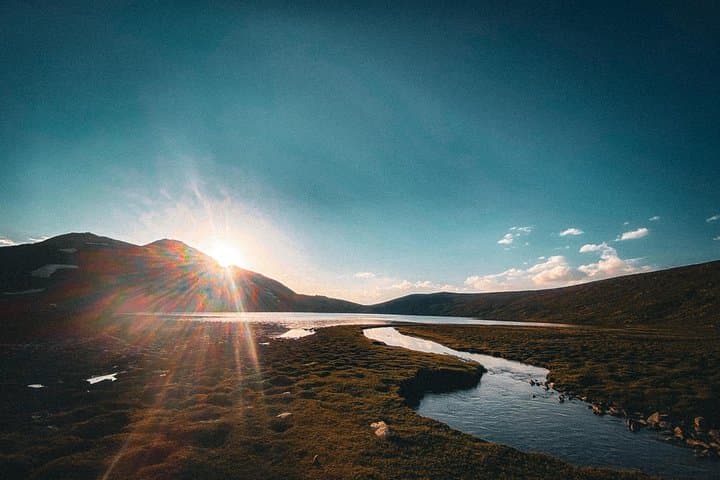
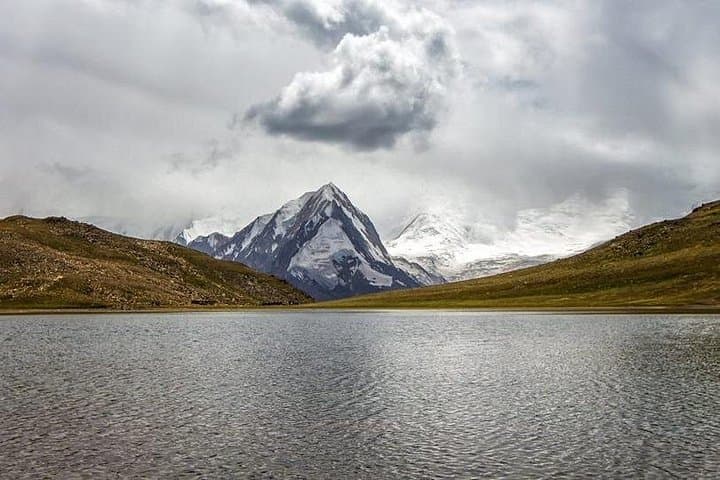
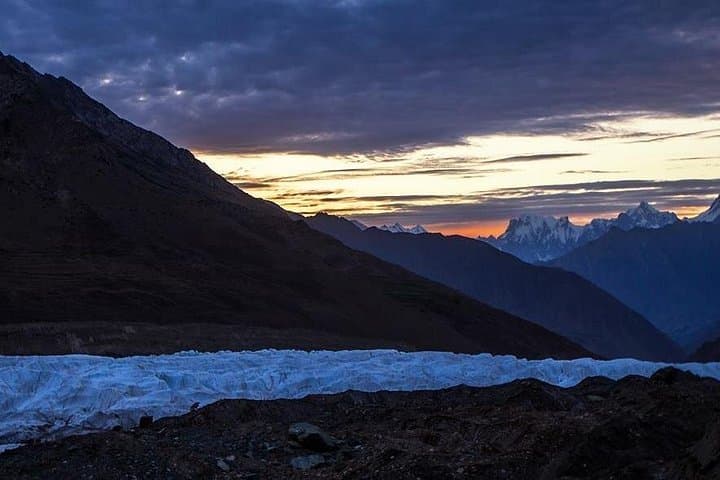
Rush Lake sits high and uncompromising at 4,694 m. Geologically the route moves from fertile alluvial terraces into glacial outwash and steep scree; you’ll cross braided streams and skirt the calved edges of Hooper Glacier before the final meadowed slopes that open onto the lake. This landscape belongs to the greater Karakoram—young, tectonically active ranges that thrust granite and metamorphic rock skyward—while Hunza’s villages bear centuries of mountain culture, Ismaili traditions and songs that fill the air once you return.
Expect 30–40 km of trekking spread over five days with cumulative elevation gain of roughly 1,200–1,800 m depending on your start point. Trails vary from packed dirt to rocky switchbacks; finest photography and views of Laila Peak are earned at the final camp above the lake.
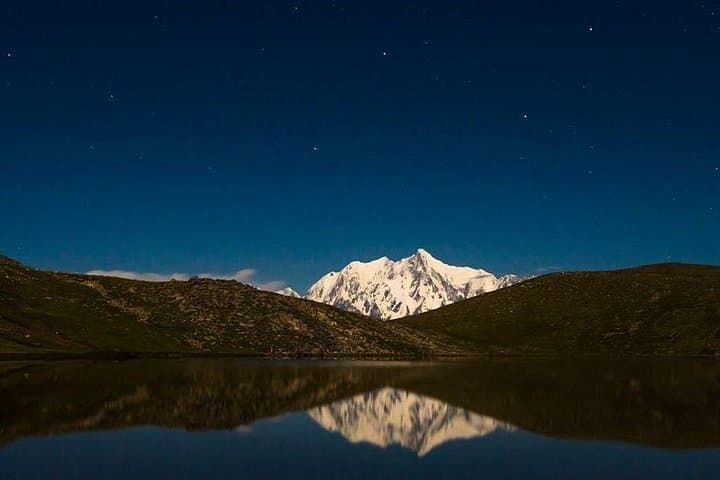
Practical guidance: acclimatize in Aliabad (Hunza) for 24–48 hours, bring layered insulation for freezing nights, and use trekking poles for steep scree. Hydrate, move deliberately above 3,500 m, and rely on local porters for campsite logistics. The payoff is a high alpine mirror and a night sky that feels within reach.
challenging.
5 days.
Good aerobic fitness and recent multi-day hiking experience are recommended; ability to hike 5–7 hours on steep terrain at altitude.
Late June through early September offers the most stable weather and melted trails; spring snowmelt (May–June) can make higher passes more difficult.
No technical climbing skills are required, but prior high‑altitude trekking experience and strong fitness are important for comfort and safety.
Typical inclusions are private transport to Hooper Valley, porters, camping equipment, and meals (breakfast/lunch/dinner); confirm specifics with the operator before booking.
Ascend slowly, stay hydrated, avoid alcohol, eat regular meals, and communicate symptoms early; consider acclimatization days or medication like acetazolamide after consulting a physician.
Hunza sits along historic mountain routes that linked South and Central Asia; local Ismaili communities have long blended trade, agriculture and terraced farming with distinct musical traditions.
Trekking increases pressure on fragile alpine meadows and water sources—practice Leave No Trace, pack out waste, and support local porter wages and community conservation efforts.
Harappa Tour & Travel operates guided outdoor trips and adventures with an emphasis on safety, stewardship, and memorable experiences.
The trek begins before dawn in Hunza Valley, when a private vehicle threads narrow switchbacks toward Hooper (Hopar) Valley and the wind carries the first glimpse of Laila Peak like a sharp promise. You meet your porters at a village clearing, shoulder packs, and step onto moraine-scarred trails that climb out of verdant terraces into the glacial gray of Hooper Glacier.
The trek begins before dawn in Hunza Valley, when a private vehicle threads narrow switchbacks toward Hooper (Hopar) Valley and the wind carries the first glimpse of Laila Peak like a sharp promise. You meet your porters at a village clearing, shoulder packs, and step onto moraine-scarred trails that climb out of verdant terraces into the glacial gray of Hooper Glacier.
Rush Lake sits high and uncompromising at 4,694 m. Geologically the route moves from fertile alluvial terraces into glacial outwash and steep scree; you’ll cross braided streams and skirt the calved edges of Hooper Glacier before the final meadowed slopes that open onto the lake. This landscape belongs to the greater Karakoram—young, tectonically active ranges that thrust granite and metamorphic rock skyward—while Hunza’s villages bear centuries of mountain culture, Ismaili traditions and songs that fill the air once you return.
Expect 30–40 km of trekking spread over five days with cumulative elevation gain of roughly 1,200–1,800 m depending on your start point. Trails vary from packed dirt to rocky switchbacks; finest photography and views of Laila Peak are earned at the final camp above the lake.
Practical guidance: acclimatize in Aliabad (Hunza) for 24–48 hours, bring layered insulation for freezing nights, and use trekking poles for steep scree. Hydrate, move deliberately above 3,500 m, and rely on local porters for campsite logistics. The payoff is a high alpine mirror and a night sky that feels within reach.