THE ADVENTURE COLLECTIVE® · Independent discovery and booking for outdoor travel

Spend a day cycling from Hue into Thanh Toan village to take part in farming, fishing, crafting and a farm-to-table lunch. This private, easy-paced tour mixes cultural storytelling with hands-on rural life.
Spend a day cycling from Hue into Thanh Toan village to take part in farming, fishing, crafting and a farm-to-table lunch. This private, easy-paced tour mixes cultural storytelling with hands-on rural life.
A low morning sun turns the rice paddies outside Hue into bands of green and gold as cyclists roll off quiet lanes toward Thanh Toan. The canal water catches the sky and seems to hurry travelers along; ducks scatter like punctuation marks across mud-lined dikes. You arrive not as a spectator but as a temporary member of a working household—strap on a hat, push a boat, or help turn rice into a meal.
Verified experiences and guided adventures in the surrounding area.
Operated by Slow Travel Hue · Hue, Thua Thien Hue
A low morning sun turns the rice paddies outside Hue into bands of green and gold as cyclists roll off quiet lanes toward Thanh Toan. The canal water catches the sky and seems to hurry travelers along; ducks scatter like punctuation marks across mud-lined dikes. You arrive not as a spectator but as a temporary member of a working household—strap on a hat, push a boat, or help turn rice into a meal.
This route threads a long-lived rice culture: low-lying alluvial plains fed by mountain runoff and the Perfume River have supported wet-rice cultivation for centuries. The tile-roofed Thanh Toan bridge, rebuilt in the 18th century, anchors village life and marks the boundary between market, temple, and field. Local artisans keep simple crafts and recipes alive; seasonal rituals linked to planting and harvest remain visible on lanes and at small temples.
Practically, the day moves at an easy pace—3 km out of town then gentle cycling across roughly 8 km of rural lanes spread through a 7–8 hour program that includes hands-on farming, a pushing-boat ride, and a home-cooked rice lunch. Expect uneven packed-earth tracks, some narrow cement lanes, and short sections near canals where balance matters. Hydration, sun protection, and steady footwear matter more than speed.
Plan for a flexible schedule: farming activities follow the season, and guides will adapt timing to your group. Bring insect repellent and a light rain layer during monsoon months, and communicate dietary needs in advance—the family kitchen accommodates requests.
By midday you’ll leave with new skills, a fuller appreciation of wet-rice lifeways, and a meal that makes the labor visible on your plate.
easy.
7–8 hours.
Suitable for most fitness levels—comfortable on a city/touring bike for multiple gentle stretches; able to stand and bend during farm tasks.
Expect short rides totaling around 10–12 km: roughly 3 km from Hue to the village, then local cycling between activities and about 8 km back at a relaxed pace.
Yes—hosts can prepare alternative dishes if you advise dietary needs when booking.
Yes—tasks are adapted by the guide and hosts; children and older adults can participate in low-impact activities like cooking or craft making.
The tour may be postponed or adjusted in heavy rain; operators typically cancel with at least 24 hours’ notice for safety and provide a full refund window described in the booking.
Thanh Toan bridge dates to the 18th century and has been a focal point for local commerce and ritual; rice cultivation here reflects centuries of river-fed alluvial farming tied to Hue’s cultural heart.
This area relies on smallholder agriculture and clear waterways—minimize plastic waste, stay on lanes to protect seedlings, and respect local customs when visiting private farms.
Slow Travel Hue operates guided outdoor trips and adventures with an emphasis on safety, stewardship, and memorable experiences.
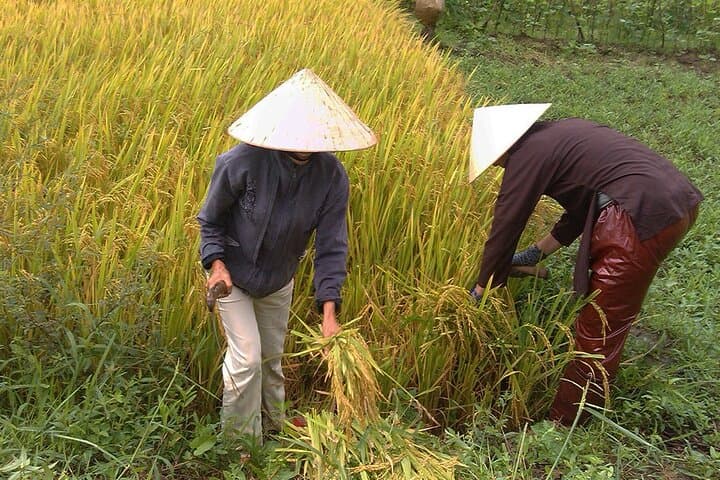
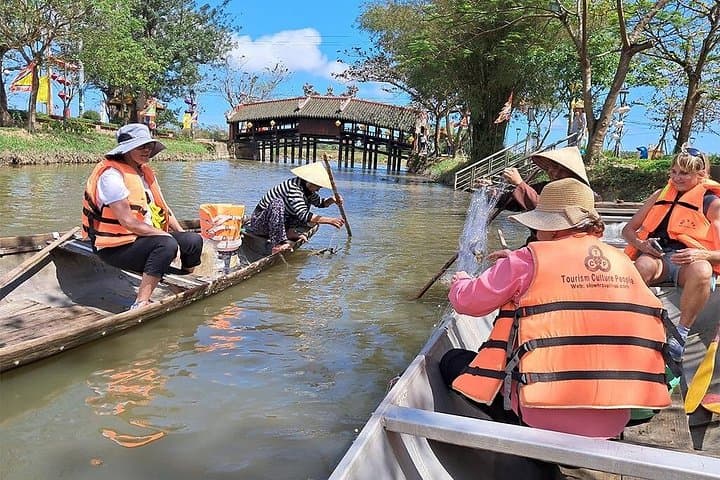
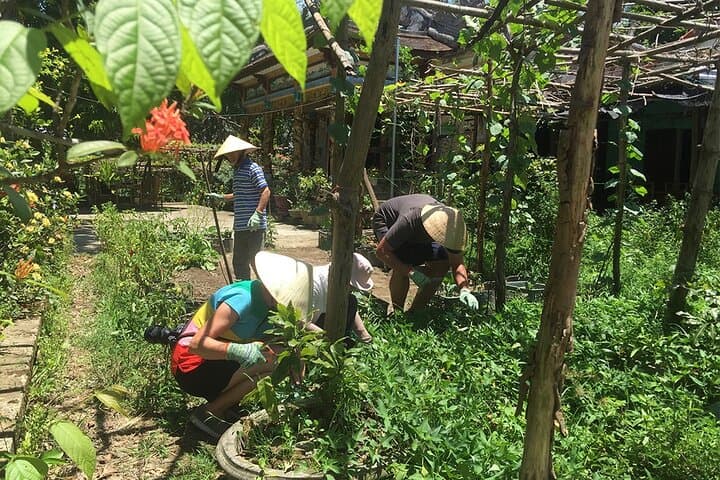
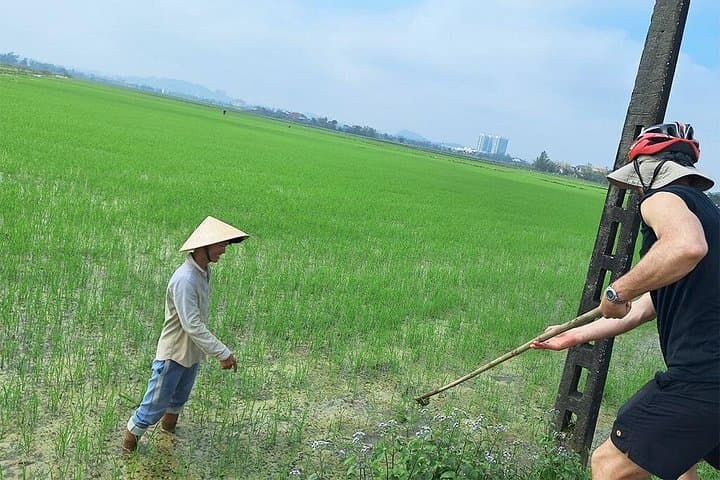
A low morning sun turns the rice paddies outside Hue into bands of green and gold as cyclists roll off quiet lanes toward Thanh Toan. The canal water catches the sky and seems to hurry travelers along; ducks scatter like punctuation marks across mud-lined dikes. You arrive not as a spectator but as a temporary member of a working household—strap on a hat, push a boat, or help turn rice into a meal.
A low morning sun turns the rice paddies outside Hue into bands of green and gold as cyclists roll off quiet lanes toward Thanh Toan. The canal water catches the sky and seems to hurry travelers along; ducks scatter like punctuation marks across mud-lined dikes. You arrive not as a spectator but as a temporary member of a working household—strap on a hat, push a boat, or help turn rice into a meal.
This route threads a long-lived rice culture: low-lying alluvial plains fed by mountain runoff and the Perfume River have supported wet-rice cultivation for centuries. The tile-roofed Thanh Toan bridge, rebuilt in the 18th century, anchors village life and marks the boundary between market, temple, and field. Local artisans keep simple crafts and recipes alive; seasonal rituals linked to planting and harvest remain visible on lanes and at small temples.
Practically, the day moves at an easy pace—3 km out of town then gentle cycling across roughly 8 km of rural lanes spread through a 7–8 hour program that includes hands-on farming, a pushing-boat ride, and a home-cooked rice lunch. Expect uneven packed-earth tracks, some narrow cement lanes, and short sections near canals where balance matters. Hydration, sun protection, and steady footwear matter more than speed.
Plan for a flexible schedule: farming activities follow the season, and guides will adapt timing to your group. Bring insect repellent and a light rain layer during monsoon months, and communicate dietary needs in advance—the family kitchen accommodates requests.
By midday you’ll leave with new skills, a fuller appreciation of wet-rice lifeways, and a meal that makes the labor visible on your plate.