THE ADVENTURE COLLECTIVE® · Independent discovery and booking for outdoor travel

Walk dirt paths through Meru villages, pass banana and coffee plantations, and earn sweeping Arusha basin views with Kilimanjaro on the horizon. This accessible 4–6 hour hike combines hands-on coffee experiences, local culture, and easy climbs.
Walk dirt paths through Meru villages, pass banana and coffee plantations, and earn sweeping Arusha basin views with Kilimanjaro on the horizon. This accessible 4–6 hour hike combines hands-on coffee experiences, local culture, and easy climbs.
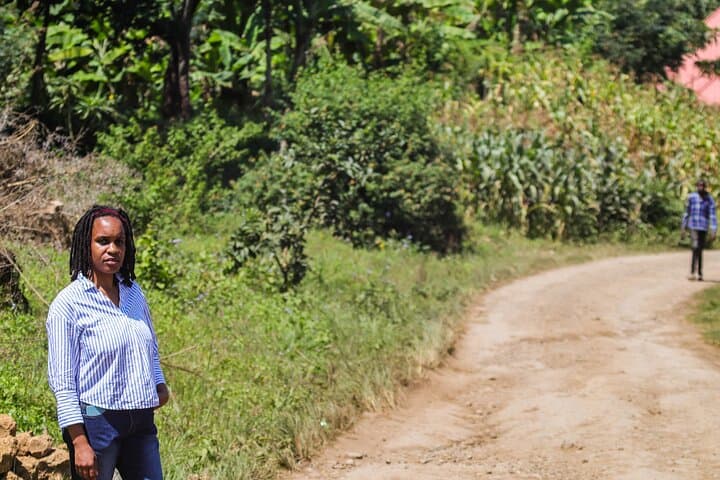
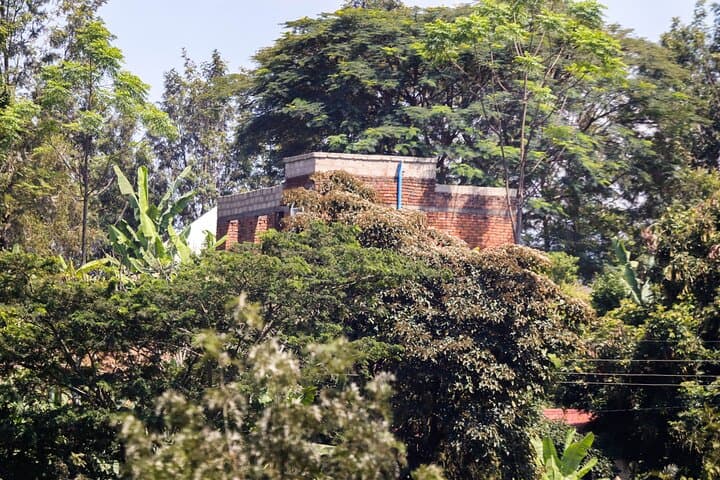
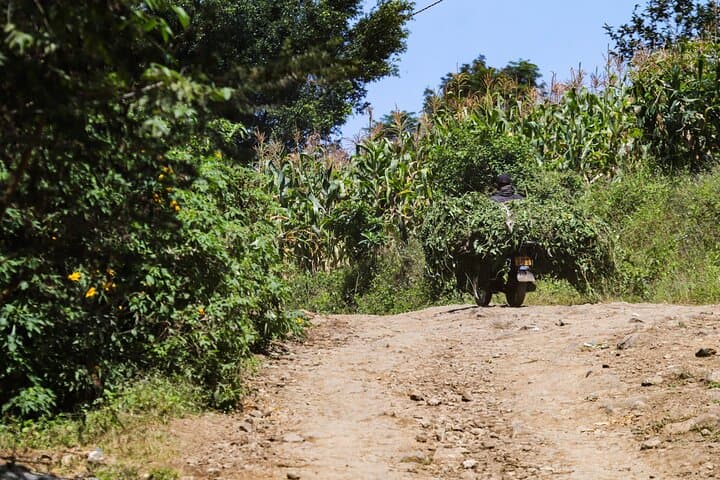
You start on a sun-warmed dirt track as children wave from the thresholds of low stone houses; the path climbs gently through patchwork farms, banana stalks brushing your sleeves and coffee plants shading the trail.
Verified experiences and guided adventures in the surrounding area.
Operated by Livingstone Safari Tanzania · Arusha, Arusha Region
You start on a sun-warmed dirt track as children wave from the thresholds of low stone houses; the path climbs gently through patchwork farms, banana stalks brushing your sleeves and coffee plants shading the trail.
The Meru foothills are volcanic in origin, their red soils rich from ancient eruptions that fed the coffee and banana terraces you pass. History here is lived—small homesteads, clan gardens and pathways that once linked seasonal markets. Guides explain Meru customs and demonstrate coffee processing that goes from cherry to cup in hands-on displays.
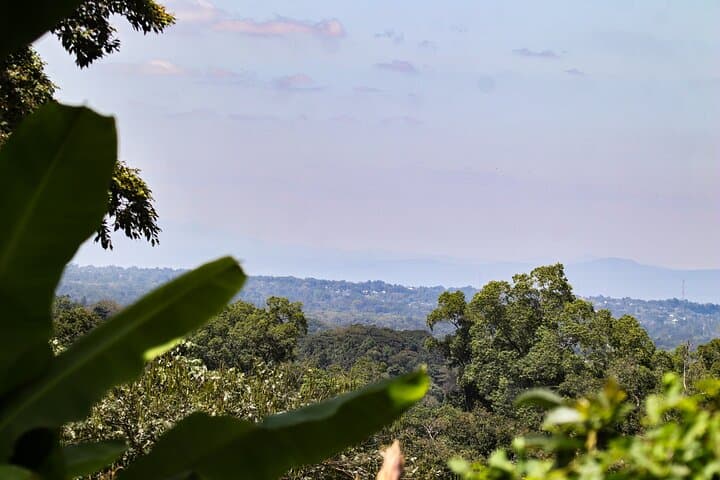
Geology opens the view as you rise: broad plains of the Arusha basin lay below, and on clear mornings Kilimanjaro’s snowy cap appears on the horizon, a distant, commanding presence that seems to watch the valley’s slow rhythms. Birds punctuate the air—the call of bulbuls, the flash of weavers—while farmers move with practiced speed between rows.
Practicalities arrive with the same steady cadence: this is an accessible 4–6 hour walk with mostly dirt paths and modest climbs, suitable for most fitness levels. Wear sturdy shoes, carry water, and plan for sun and sudden showers—this is tropical highland weather.
Timing matters: mornings are cooler and clearer for views; midday brings the village life and demonstrations. Expect polite curiosity from residents—follow your guide’s lead when photographing people or private spaces. Bring small cash for handcrafted goods and leave only footprints; the landscape is resilient but lived-in, and respectful travelers keep it so.
easy.
4–6 hours.
Suitable for most fitness levels; expect steady walking on uneven dirt paths and short climbs.
The route is rated easy with gentle ascents over mostly dirt paths; average participants with basic fitness complete it comfortably.
Kilimanjaro is visible on clear days—mornings after dry nights offer the best chance; cloud cover is common later in the day.
Yes—this tour typically includes a midday lunch and bottled water; confirm dietary needs when booking.
A local guide is provided and appropriate for cultural interpretation; no special permits are normally required for rural village hikes.
The Meru people have farmed these volcanic foothills for generations, shaping terraced gardens and a strong coffee-growing tradition integrated into daily life.
Support local conservation by buying from cooperatives, staying on established paths, and avoiding single-use plastics—agroforestry here helps protect soils and biodiversity.
Livingstone Safari Tanzania operates guided outdoor trips and adventures with an emphasis on safety, stewardship, and memorable experiences.
You start on a sun-warmed dirt track as children wave from the thresholds of low stone houses; the path climbs gently through patchwork farms, banana stalks brushing your sleeves and coffee plants shading the trail.
You start on a sun-warmed dirt track as children wave from the thresholds of low stone houses; the path climbs gently through patchwork farms, banana stalks brushing your sleeves and coffee plants shading the trail.
The Meru foothills are volcanic in origin, their red soils rich from ancient eruptions that fed the coffee and banana terraces you pass. History here is lived—small homesteads, clan gardens and pathways that once linked seasonal markets. Guides explain Meru customs and demonstrate coffee processing that goes from cherry to cup in hands-on displays.
Geology opens the view as you rise: broad plains of the Arusha basin lay below, and on clear mornings Kilimanjaro’s snowy cap appears on the horizon, a distant, commanding presence that seems to watch the valley’s slow rhythms. Birds punctuate the air—the call of bulbuls, the flash of weavers—while farmers move with practiced speed between rows.
Practicalities arrive with the same steady cadence: this is an accessible 4–6 hour walk with mostly dirt paths and modest climbs, suitable for most fitness levels. Wear sturdy shoes, carry water, and plan for sun and sudden showers—this is tropical highland weather.
Timing matters: mornings are cooler and clearer for views; midday brings the village life and demonstrations. Expect polite curiosity from residents—follow your guide’s lead when photographing people or private spaces. Bring small cash for handcrafted goods and leave only footprints; the landscape is resilient but lived-in, and respectful travelers keep it so.